Commercial drain cleaners rarely help with serious clogs and can damage the plumbing system. Plumbers advise against trying to “diagnose” the problem yourself or pouring chemicals down the drain at random; instead, call a professional if you have a serious problem, according to OKDiario.
Chemicals do not pass through stagnant water. The product either settles or dissolves in the water before it reaches the blockage itself, losing its corrosive effect. The reaction generates intense heat capable of softening, deforming, or even melting PVC pipes, as well as corroding rubber gaskets and old metal.
If the solution doesn’t work, the toxic water in the pipes becomes a hazard for the plumber, whom you’ll have to call anyway. You could suffer a chemical burn while disassembling the trap or working with the equipment.
“The Last-Resort Method”
American experts agree with their Spanish counterparts. Paul Abrams, director of communications for the Roto-Rooter plumbing service network, calls chemical agents the “last-resort method.” According to experts, they can sometimes be used when water is simply draining slowly. However, if the sink is completely blocked and the chemical fails to dissolve the clog, bleach, lye, or acid will remain in the pipes, writes The New York Times’ Wirecutter.
Pipe manufacturer Oatey specifically warns against using such products when water isn’t draining at all.
“Without water flow, the chemicals will remain in the pipe system, potentially damaging plumbing fixtures and posing a risk to anyone who later disassembles the drain to clear the clog,” emphasizes company manager Sean Comerford.
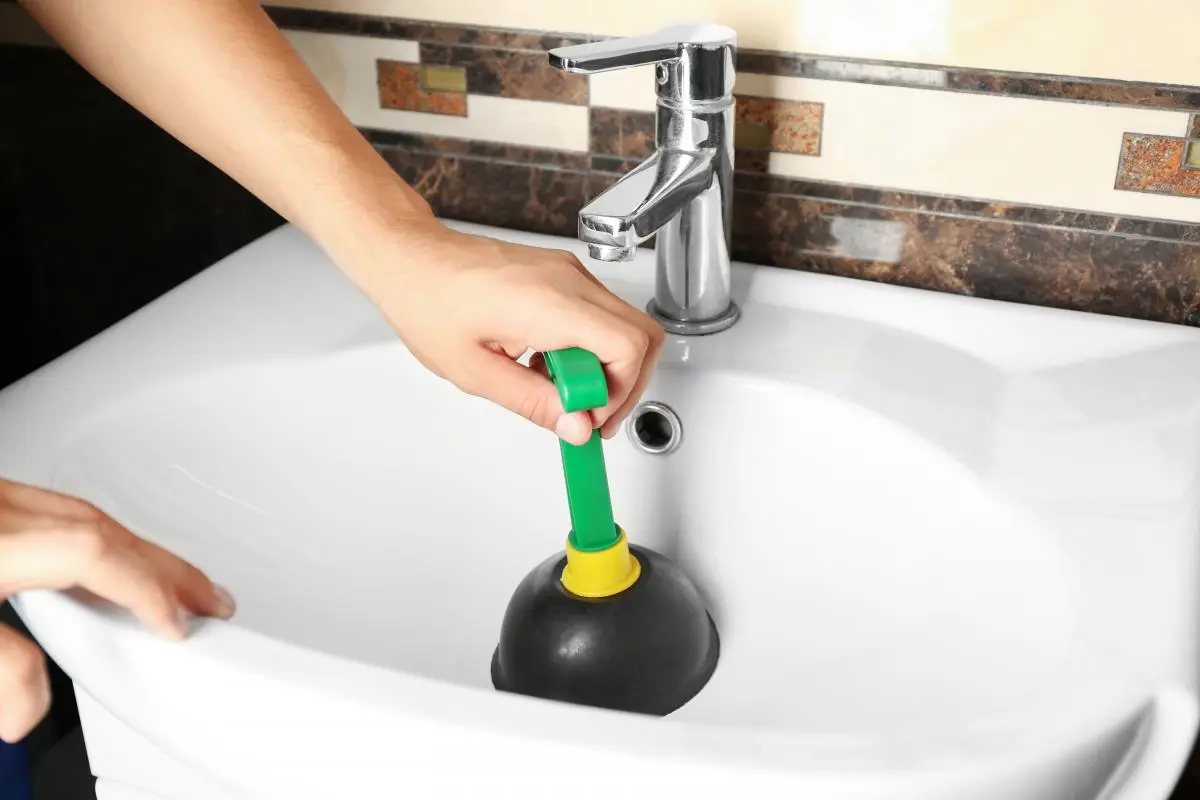
Manufacturers of popular drain cleaners assure consumers that their products are safe, as most formulas contain a corrosion inhibitor. University of Notre Dame chemistry professor Kate Bieberdorf, speaking on behalf of Drano, states that pipe failures are usually caused by wear and tear and the aging of materials. However, experts advise starting with inexpensive mechanical tools: a flexible hair removal cord and a plunger. If these don’t work, it’s worth disassembling the trap or calling in professionals.
Sweden Has Restricted Sales
Some countries have already restricted access to caustic drain cleaners. Starting January 1, 2025, consumers in Sweden will not be allowed to purchase or use drain cleaners containing at least 5% sodium or potassium hydroxide without permission from the county administration. This decision was made due to a rise in the number of accidents: one in five people affected by such products is a child under the age of 10, according to the Swedish Chemicals Agency (Kemikalieinspektionen).
Only adults who can prove that there is no alternative may obtain a permit. The application fee is 990 Swedish kronor. As the agency notes, the Swedish heating, ventilation, and plumbing industry does not use chemical agents and considers mechanical methods to be more effective and reliable.