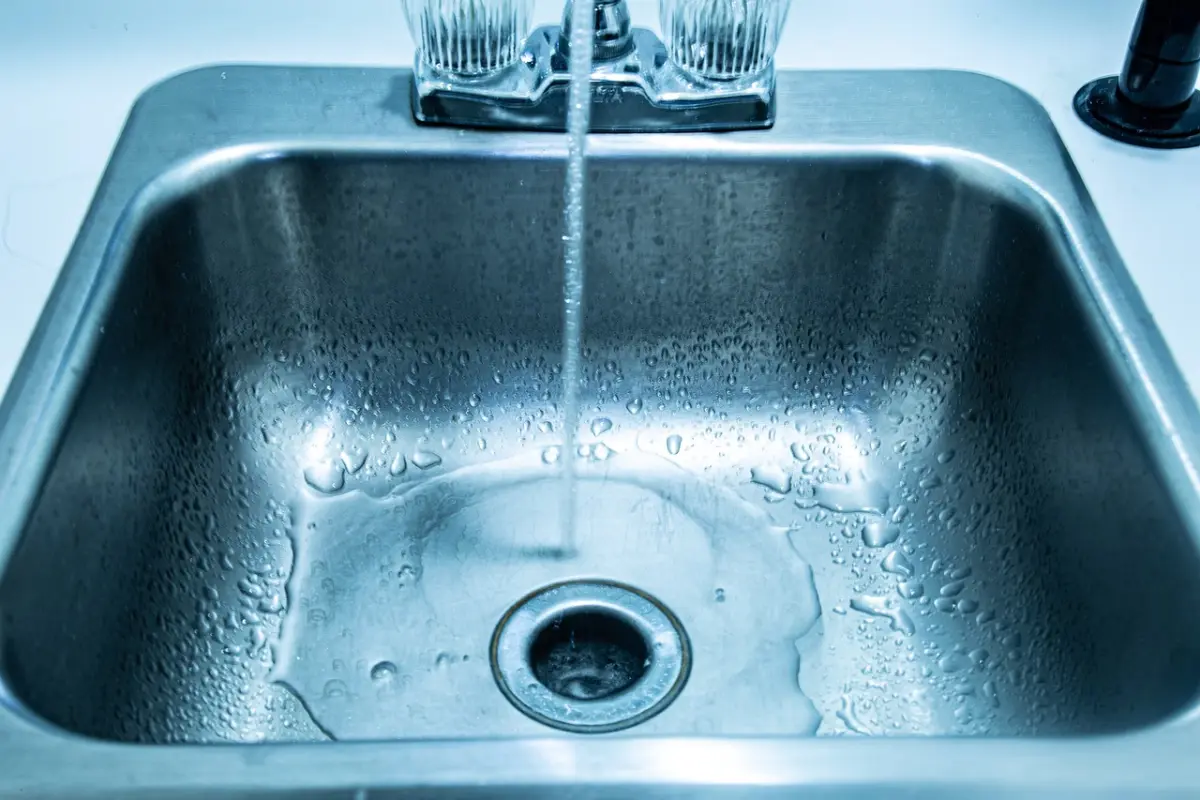
To clean dried-on grease from a kitchen sink drain, all you need is 2–3 tablespoons of regular dish soap and warm water. This homemade method can replace expensive household cleaning products, which aren’t always effective, according to ChilliZET.
Dish soap contains surfactants that dissolve grease and loosen it from surfaces. It is the grease that first settles on the inside walls of the drainpipe and the strainer, forming a sticky layer to which food scraps eventually adhere. These residues decompose quickly, spreading an unpleasant odor throughout the kitchen. Therefore, it’s recommended to thoroughly clean the drain at least once a week.
The process is simple: pour 2–3 tablespoons of a degreasing agent down the drain, wait 15–20 minutes, and then slowly pour in 1–2 liters of warm water—but not boiling water. If the drain was very dirty, repeat the procedure.
Baking Soda and Vinegar: Together or Separately
Regular cleaning of the drain is important not just because of the smell. Cleaning expert Jill Koch points out the hygiene risk.
“They say that a kitchen sink is dirtier than a toilet, and this applies to the drain as well. This area comes into contact with a lot of food, making it vulnerable to bacteria such as E. coli and salmonella, so it’s important to clean it often,” Koch emphasizes in a comment to Southern Living.
She recommends cleaning the drain about once a month and also uses dish soap: she adds it to half a glass or a full glass of baking soda, rinses it off with hot water after five minutes, and then pours in a glass of vinegar separately. In her opinion, the popular practice of mixing these ingredients is ineffective.
“It’s a common misconception, but baking soda and vinegar actually neutralize each other when combined. So the fizzing reaction may be pleasing to the eye, but neither ingredient actually does anything when mixed together,” the expert says.
Lina DaSilva, founder of the cleaning company Toronto Shine Cleaning, on the other hand, flushes her drain every month with boiling water, baking soda, and vinegar at the same time, and warns against using harsh drain cleaners. If the clog cannot be cleared with a plunger and flushing, she advises calling a plumber.
“They can damage the pipes over time, and if they don’t clear the clog, you’ll be left with a sink full of caustic water, which is dangerous to handle,” DaSilva warns in an interview with The Spruce.