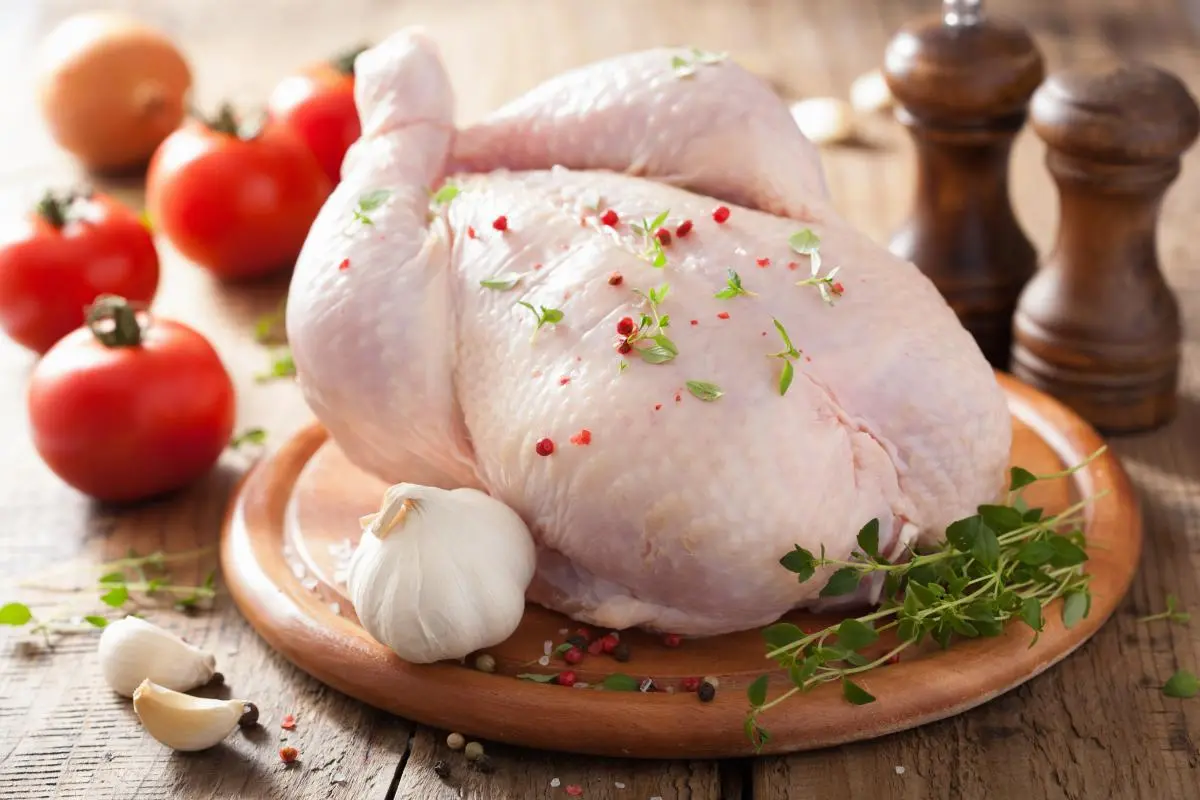
Whether a chicken's skin is yellow or white does not indicate higher quality or greater nutritional value of the meat. Both types are equally good, and the color depends primarily on what the bird was fed, according to OKDIARIO, citing experienced butchers.
According to experts, the color of the skin does not indicate that the bird is healthier or fresher. In terms of protein, vitamin, and mineral content, the carcasses are virtually identical.
Corn or Wheat
Yellow skin indicates a diet rich in carotenoids. These natural pigments are found in corn, alfalfa, marigold flowers, and approved pigmented feed, and they accumulate in the subcutaneous fat.
In the marketplace, such chickens are often associated with slower growth or free-range rearing. However, a yellow hue can also be achieved through conventional industrial farming by adding pigments to the feed.
Whitish skin is found in poultry that has been fed primarily pigment-poor grains: wheat, barley, or soybeans. These are usually young, fast-growing chicks with a thinner layer of fat under the skin.
What to Choose for Cooking
At the same time, butchers and chefs recommend choosing chicken based on the cooking method. Yellow-skinned poultry has firmer meat with distinct fibers and a richer flavor.
They are recommended for slow braising, oven roasting, and broths. This meat holds up well to long cooking times, doesn’t fall apart, and adds a lot of flavor to the dish.
White-skinned chicken is more tender, softer, and more uniform in texture, with a more delicate and neutral flavor. It’s ideal for grilling, breaded dishes, quick pan-frying, and deep-frying—in other words, whenever you need tender meat that absorbs seasonings well.
The U.S. Department of Agriculture also notes that the color of raw poultry can range from bluish-white to yellow, and all these shades are normal. These shades depend on breed, activity level, age, and diet: the bluish tint in young poultry is due to less fat under the skin, while a yellowish tint may result from marigolds in the feed, according to the USDA.
The agency emphasizes that a change in color alone does not mean the product has gone bad. Signs of spoilage include an unpleasant odor, as well as a sticky or slimy surface, and such meat should not be consumed.