
The World Meteorological Organization (WMO) warns that this year’s El Niño will be very strong and will increase the risk of extreme weather during the winter of 2026–2027. The phenomenon is expected to peak from November through February, so travelers are advised to be flexible with their winter vacation plans and purchase insurance right away, according to The Olive Press.
According to a forecast by the British Met Office, there will be less precipitation in India, Central America, the western Pacific, tropical South America, southern Africa, and northeastern Australia. Fewer tropical cyclones and Atlantic hurricanes are also expected. In contrast, the United Kingdom and northwestern Europe will experience wetter and stormier weather.
According to data from the WMO’s global forecasting centers, the probability that El Niño will persist until February 2027 is nearly 100%. The Met Office describes the current situation as unprecedented for the global climate, reports The Independent.
“I’ve never seen such a strong El Niño signal in our forecasts,” said Adam Scafe, head of long-range forecasting at the Met Office.
Where the weather will be favorable, and where it’s worth playing it safe
Caroline Lips, head of marketing at the insurance company Staysure Expat, advises keeping an eye on forecasts and checking whether your policy covers trip disruptions beyond the traveler’s control.
“El Niño has certainly made it more difficult to plan trips for the winter of 2026–2027. But that doesn’t mean you should cancel your trips, because in some places the weather is even better than usual,” Lips said.
Among the examples she cites are California, where more rain and good conditions at ski resorts are expected, as well as the Caribbean and the Gulf of Mexico, where lower hurricane activity is forecast. It’s best to plan trips to Peru’s northern coast, the Great Barrier Reef, Southeast Asia, and southern Africa with extra caution.
Safaris in East Africa will be wetter than usual. Due to heavy rains from October through December in Kenya and Tanzania, camps may find themselves cut off from the outside world when rivers overflow, warns Ioana Colfescu, a researcher at the UK’s National Center for Atmospheric Science. She advises booking trips with refundable tickets and being prepared to change dates.
“I would advise treating this El Niño much the same way we treat booking vacations in Scotland: you need to build in flexibility,” notes Colfescu.
Some countries are already responding: Ecuador has declared a red alert, the UK Foreign Office has warned of heavy rains, floods, and landslides along the Peruvian coast through April 2027, and California Governor Gavin Newsom has declared a state of emergency ahead of storm season.
The U.S. National Oceanic and Atmospheric Administration (NOAA) forecasts warmer-than-normal weather in the north of the country and more precipitation in the south—from California to Florida—as well as along the East Coast, according to NOAA.
Skiers are advised to choose higher elevations
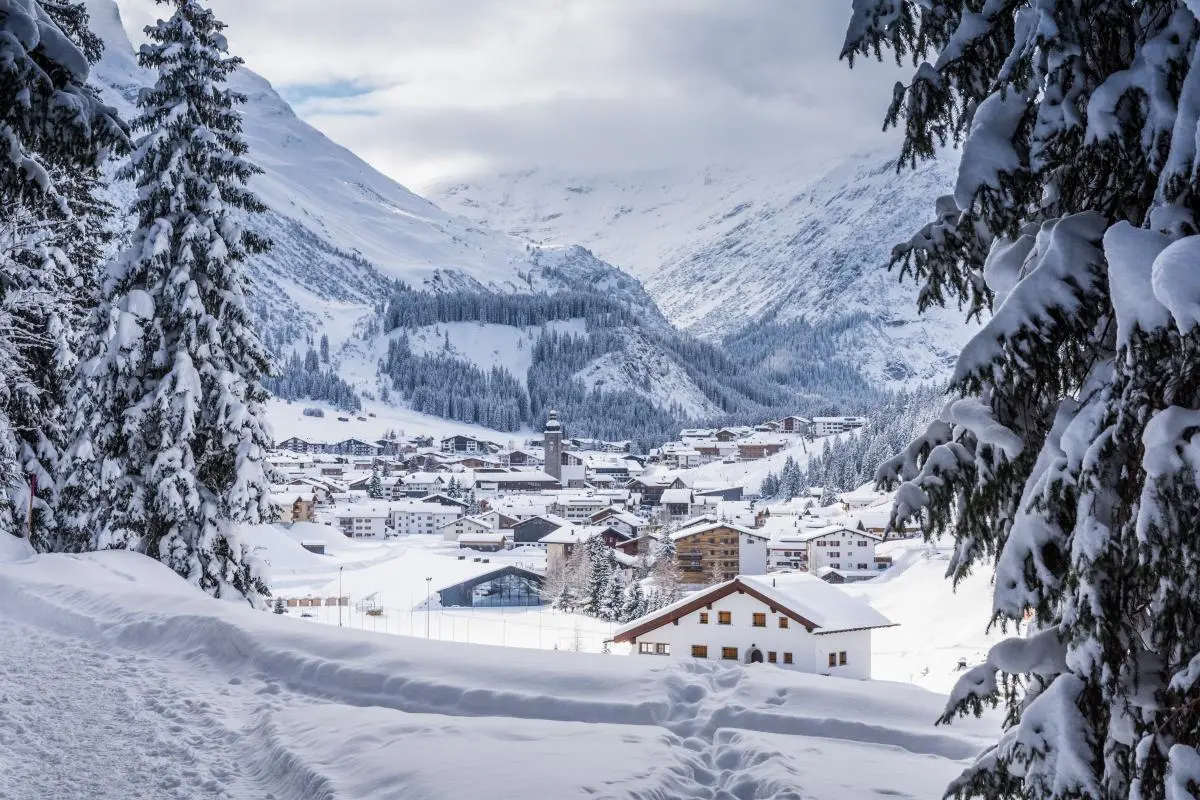
The Olive Press notes that resorts in the Southern Alps and the Pyrenees may have better conditions than those in the Northern Alps, although the forecast is uncertain. Skiers are advised to choose high-altitude resorts with access to glaciers and snowmaking systems, as well as insurance that provides compensation or a transfer to another resort if the lifts close due to a lack of snow.
According to Staysure, in 2025, the company’s customers filed 32,063 claims due to trip cancellations. This represents nearly 42% of all insurance claims, totaling over 45 million pounds, with an average payout of 1,422 pounds per person.