
The Netherlands plans to increase its defense industrial and technological base by 40% by 2030 and bring the sector’s annual revenue to 15 billion euros. To this end, the government has already allocated 1.6 billion euros, specifically for air and missile defense, unmanned systems, and digital countermeasures, according to Defense Express.
Under the plan, €10 billion in revenue will come from orders placed by the national armed forces, which are expected to grow by 50%, while another €5 billion will come from exports, which are projected to increase by 25%. In 2028, the Ministry of Defense is set to establish the National Institute of Defense Technologies (NIDT) with an annual budget of up to 350 million euros, as well as a 200-million-euro investment fund for companies working with dual-use technologies.
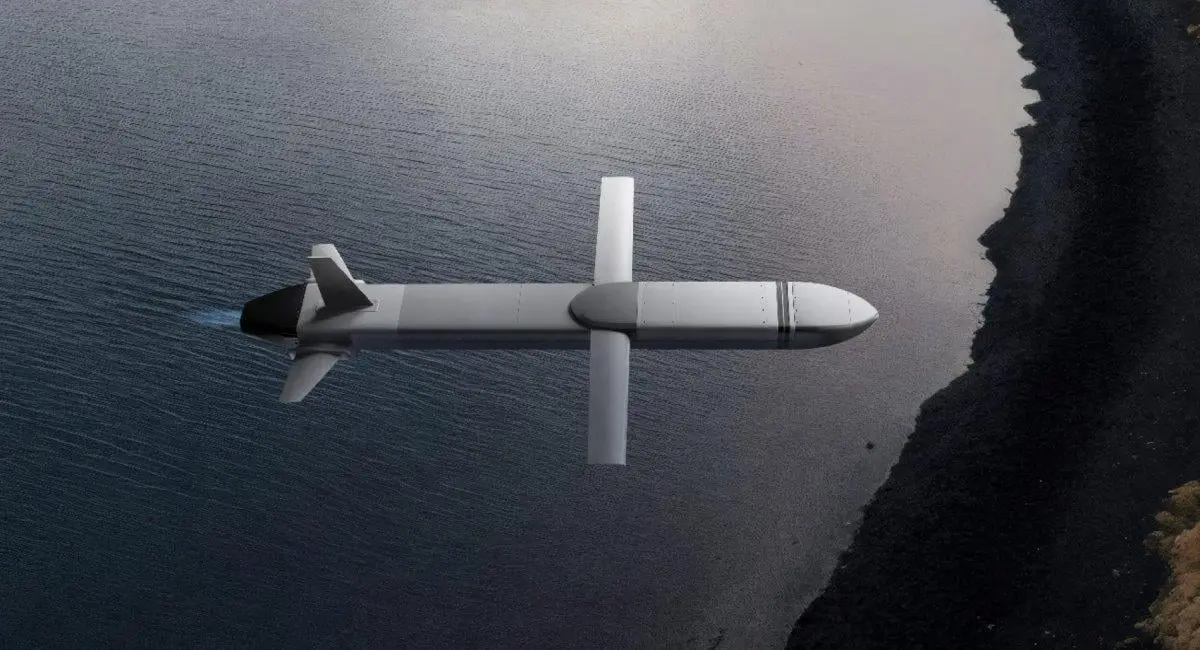
The company Destinus, which manufactures “Ruta” cruise missiles, is registered in the Netherlands. These missiles, among other weapons, were used in the strike on the Crimean Bridge on the night of November 17. Despite ranking seventh in NATO in terms of defense spending, the country still lacks its own major defense conglomerate on the scale of Germany’s Rheinmetall.
Destinus spoke publicly for the first time about a specific attack
Destinus confirmed that its missiles were used in Ukrainian strikes on the bridge. A company spokesperson told broadcaster NOS that this is the company’s first statement regarding a specific attack. It came after Volodymyr Zelenskyy mentioned Ruta missiles and Da Vinci drones on X, according to the NL Times.
The company, which has production facilities in Valkenburg and Hengelo, posted photos of the bridge on LinkedIn along with a brief message to the Ukrainian military.
“We are proud to support the Ukrainian defense forces in their fight to protect Ukraine and Europe, and we pay tribute to their dedication, courage, and professionalism,” the Destinus post reads.
Missile expert Fabian Hoffmann believes that this publicity could attract new customers, but at the same time increases the risk of Russian sabotage and cyberattacks. Defense analyst Patrick Bolder, however, is convinced that the company’s security situation will not change significantly, as it is already on Russia’s radar.
A Target for Moscow
Destinus was founded by Mikhail Kokorich, the former head of Russia’s first private space company, who renounced his Russian citizenship in January 2024. In 2025, the company moved its headquarters to the Netherlands and has already manufactured thousands of long-range drones and Ruta Block 1 missiles. In April, the Russian Ministry of Defense added Destinus to a list of 21 companies, and Dmitry Medvedev called such facilities “legitimate targets.” Following this, the Dutch defense minister visited the company’s factory and stated that the country’s defense industry would not allow itself to be intimidated, according to the Jamestown Foundation.