
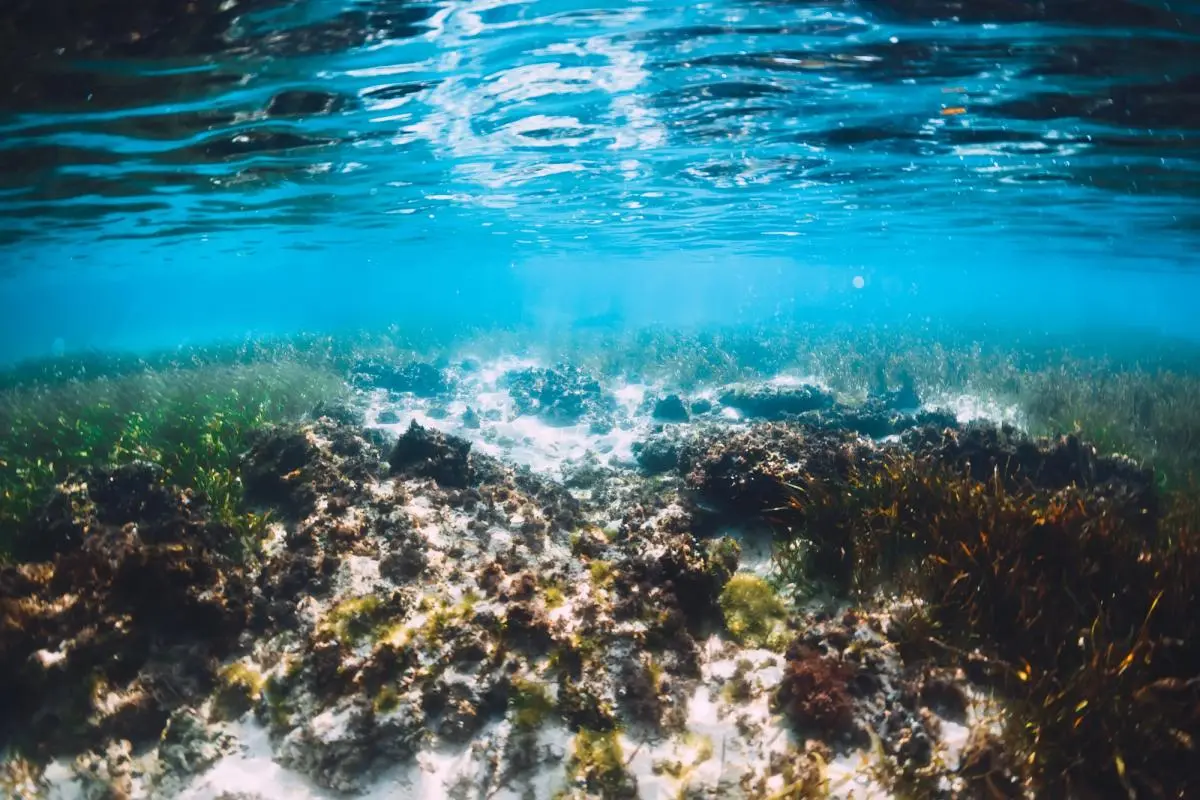
Thirteen sculptures installed in 2023 on the seabed beneath the Busselton Jetty in Western Australia have become an artificial reef. Within a few weeks of their installation, they were colonized by about 20 species of marine life, according to Marca.
The installation was created by Australian artists. It includes bronze mermaids, ceramic figures of people, and a steel whale over 10 meters long. Some of the pieces weigh more than a metric ton. The location was key: a significant portion of the seafloor in Geography Bay is covered in seagrass, and the reef beneath the pier, according to the area’s environmental agency, is home to more than 300 species.
The first new residents appeared within a few hours
Sophie Tid, the pier’s environmental manager, monitored the colonization of the sculptures. According to her, marine life took an interest in the new objects almost immediately, ABC News reports.
“I felt relieved when, just a few hours after the first sculpture was installed, a huge flock of cormorants swam by. In the weeks that followed, as the rest of the sculptures were submerged, I think we reached close to 20 species that are actually using them as habitats,” said Tid.
Some of the pieces were specifically designed for animals. Artist Georgia Zorich spent four months working on a three-meter-tall ceramic figure of a postmaster, which she dedicated to a local World War II-era postal and customs official.
“Underneath my postmaster is a layer of ceramic bottles in which I cut holes so that octopuses, cuttlefish, eels, and fish can live inside and easily hide,” Zorych noted.
The Reef as a Lesson for Visitors
An octopus took up residence in the postmaster sculpture just three hours after it was submerged, and the next day a giant cuttlefish appeared there. The steel southern right whale has become a refuge for thousands of small fish. The sculpture trail runs beneath the 1.8-kilometer-long Busselton Jetty, the longest wooden pier in the Southern Hemisphere, and is open to divers and snorkelers, according to Tourism Western Australia.
The project’s organizers hope it will draw attention to marine conservation. “Ultimately, we’d like people to leave here and make the right decisions for the environment and their local beaches,” Tidd emphasizes.
“People see how quickly the marine environment adopts these structures and colonizes them. People understand the impact we can have, for better or for worse. And this impact has turned out to be wonderful,” Zorych is convinced.