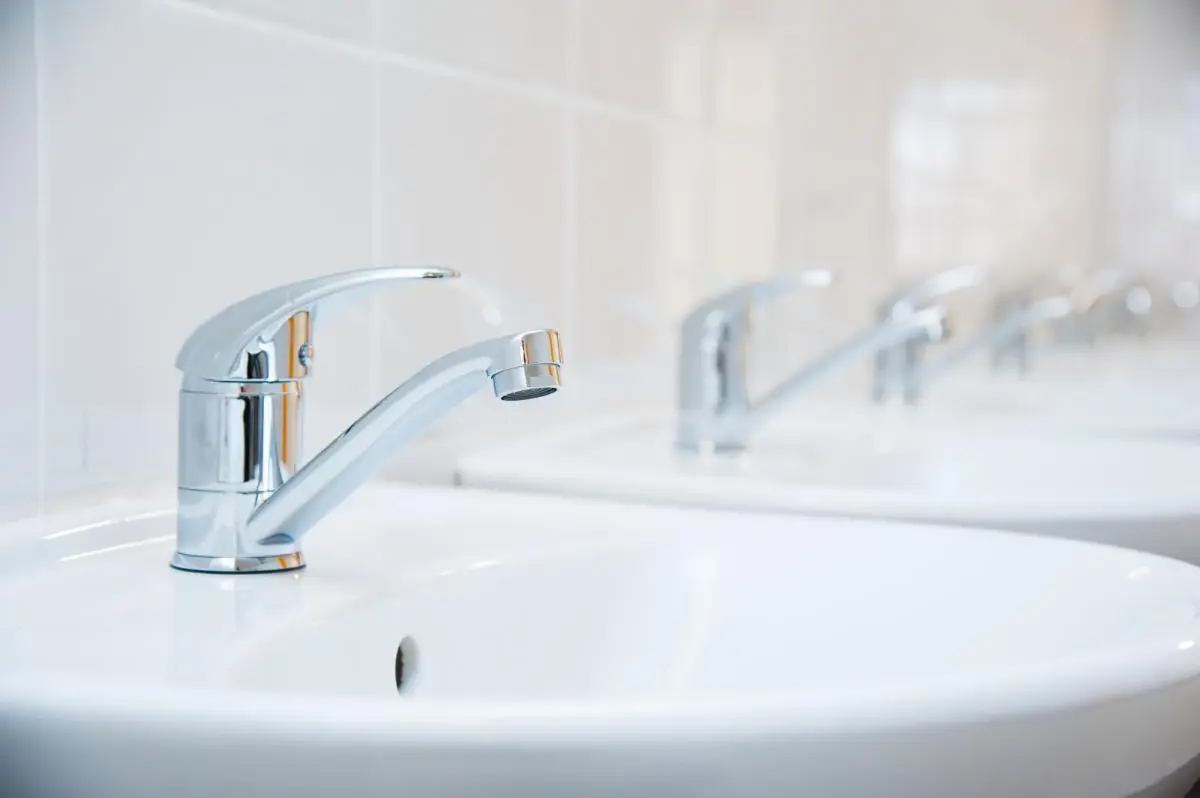
White limescale deposits on a faucet can be softened without vigorous scrubbing. To do this, wrap the faucet in a paper towel dampened with diluted vinegar and leave it for 10–30 minutes, according to Wprost.
The main advantage of this method is the prolonged contact between the acid and the buildup. If you simply spray the faucet with the solution, the liquid quickly runs off its curved surface into the sink, whereas the damp paper keeps the solution exactly where it’s needed.
White rings around the spout, dull streaks on the handles, and hard limescale at the base often remain even on a freshly cleaned faucet, and a damp cloth is of little help here.
“Limescale isn’t just dirt that can be wiped away. It’s a mineral deposit that must be dissolved or removed mechanically,” the article states.
To make a compress, mix 10% white vinegar with water in a 1:1 ratio—for example, half a glass of each. This results in a solution with an acetic acid concentration of about 5%. Fold a paper towel into strips, moisten them, and apply them to the deposits. Usually, 10–15 minutes is sufficient; the soaking time is extended to 30 minutes only if the manufacturer permits it. Afterward, gently wipe the surface with a soft sponge, rinse it, and polish it with a microfiber cloth.
The most stubborn buildup accumulates where the faucet meets the sink. For this area, roll the paper towel into a thin tube, soak it in the solution, and place it around the base; then remove the softened buildup with a soft brush. A thin layer may disappear after a single treatment, while a thick layer sometimes requires several short sessions.
When Vinegar Can Cause Damage
Before proceeding, check the manufacturer’s recommendations, as some finishes react poorly to acid. Caution is needed with black, gold, and colored faucets, matte and polished surfaces, PVD coatings, damaged chrome, and natural stone such as marble or travertine. Vinegar should also never be mixed with chlorine bleach, as this combination can release toxic chlorine.
Vinegar does not affect water hardness, so only good habits can help protect the faucet from new stains. These include wiping it dry after use, cleaning the aerator, and repairing a leaky faucet.
“If the water doesn’t evaporate on the faucet, it won’t leave another layer of minerals on it,” the article notes.
Water hardness is determined by the content of dissolved calcium and magnesium. Water with a hardness index exceeding 180 mg/L, expressed as calcium carbonate, is considered very hard. It poses no health risk, but it causes mineral deposits in plumbing fixtures, faucets, and water heaters, according to the U.S. Geological Survey (USGS).