
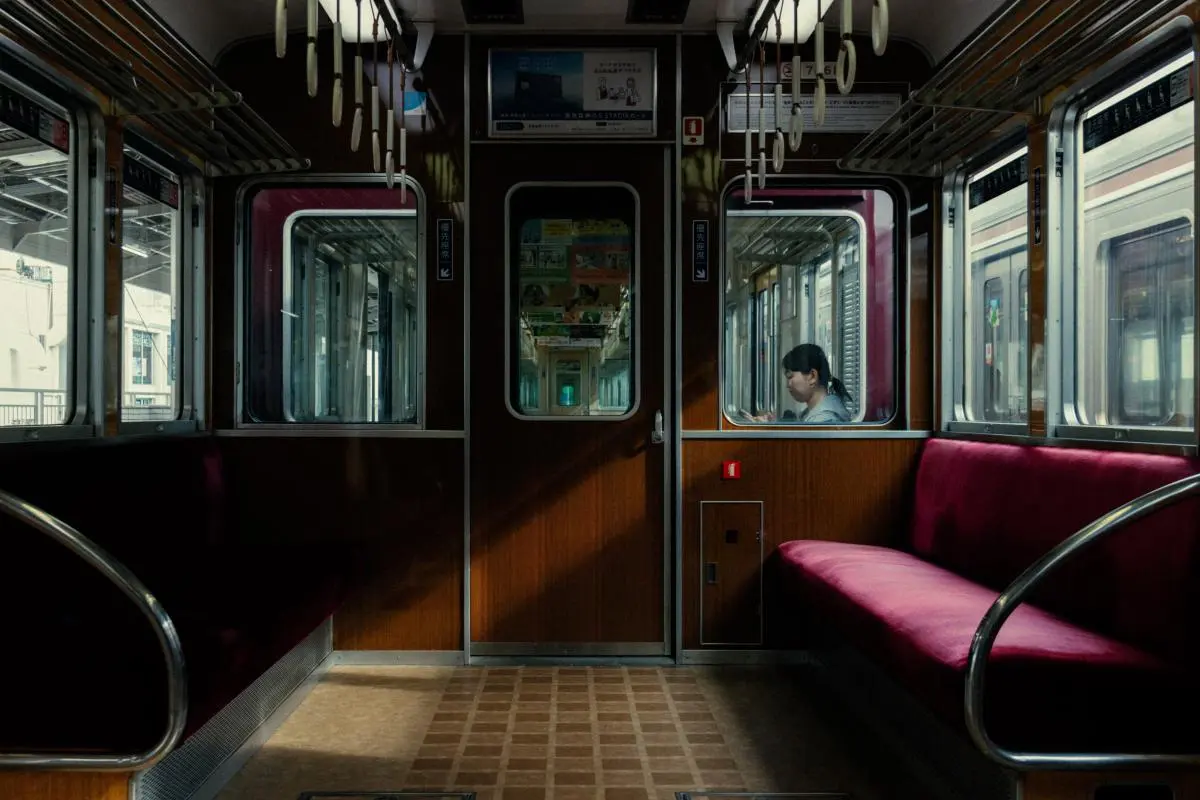
Kyoto is proposing to raise city bus fares for tourists to relieve congestion on overcrowded routes. According to a draft resolution presented by city officials on November 17, the fare for visitors would rise from 230 to 360 yen, while the fare for local residents would drop to 200 yen, The Independent reports, citing The Mainichi Shimbun.
The city assembly will review the document at its session next week. The new fares are scheduled to take effect in April 2027. To receive the discount, residents will have to link their smart transit card to their national ID card; those who pay in cash will not be eligible for the discount.
On some routes, buses are overcrowded with tourists, making it difficult for residents to get around on a daily basis. Passengers have already complained that they are forced to compete for seats with visitors carrying suitcases. Mayor Koji Matsui emphasized that Kyoto will continue to “warmly welcome tourists,” and that the fare reduction is intended to benefit locals.
The city also plans to introduce dual pricing at the 15th-century Nijo Castle, a UNESCO World Heritage Site. Starting in June, admission to the castle grounds and the Ninomaru Palace may increase from 1,300 to 2,000 yen for visitors, while the price for residents will drop to 1,000 yen.
Record Number of Visitors
In 2025, a record 62.79 million people visited Kyoto: 50.11 million Japanese and 12.68 million foreigners. The number of foreign visitors increased by 1.8 million over the year. Most come from China, the U.S., Taiwan, Australia, and South Korea.
In March, the city had already raised the tourist tax on overnight stays in hotels and guesthouses. The highest rate increased tenfold: previously, it did not exceed about 5 pounds per night, but now it can reach over 49 pounds.
Why Does the City Need Different Rates?
Koji Matsui first proposed the idea of different fare tiers in February 2025. At that time, the plan involved Japan’s first such system on buses, and the city had already launched dedicated tourist buses to popular attractions. The mayor explained how the additional revenue from visitors would be used.
“The goal is to use this as a financial resource that will help reduce overcrowding and preserve Kyoto’s beautiful cultural urban landscape. By involving tourists in sharing the burden, we want residents to realize that, thanks to tourist visits, their daily lives have become more convenient or the cityscape has been better preserved,” Matsui said in an interview with The Telegraph.
The mayor also dismissed the notion that the city is hostile toward visitors, but pointed out the ratio of tourists to residents.
“The city as a whole isn’t suffering from overtourism. And people aren’t strongly opposed to tourists. But there are about 50 million tourists a year here—compared to 1.5 million residents who pay taxes. They have certain expectations that the city of Kyoto will do everything possible so that they can live here peacefully and quietly,” Matsuoi said.