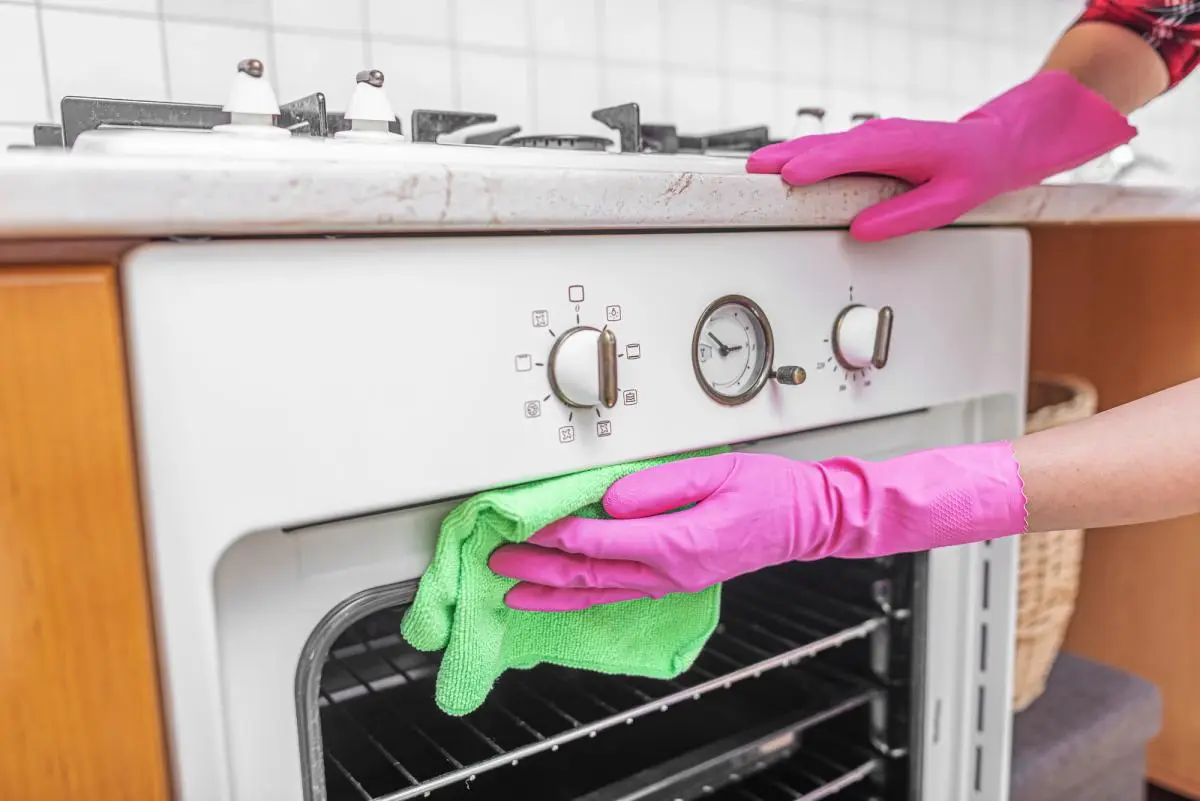
Airbnb is introducing new restrictions for hosts, prohibiting them from requiring guests to perform labor-intensive tasks upon checkout. Starting November 20, hosts will no longer be able to require guests to change bed linens, take out the trash, or wash dishes, as these duties must be performed by professional cleaners, according to The Independent.
The platform’s updated policy aims to resolve conflicts that arose from the combination of high service fees and requirements for guests to clean the premises themselves. Experts note that this practice created a disconnect in how users perceived the service, as they expected hotel-level service.
“The biggest complaint guests usually have concerns cleaning. There was a disconnect between hosts charging a cleaning fee, and the fact that guests still had to follow rules requiring them to clean up after themselves—which is completely different from how we, as travelers, perceive hotels,” said Makarand Modi, an associate professor at Boston University’s School of Hospitality, according to CBC News.
Pricing Transparency and Market Changes
Changes to the cleaning policies are part of the platform’s broader strategy to increase pricing transparency. A study conducted at the University of Nevada, Las Vegas, shows that clearly displaying the cost of services before booking radically changes consumer behavior and forces hosts to rethink their financial models.
“Consumers react quickly to changes in pricing. When costs are clear in advance, they make more informed choices, which, in turn, forces hosts and platforms to rethink their pricing strategies,” explains Mark Tremble, an associate professor of economics and an expert in the digital economy, according to UNLV News.
The platform had previously faced criticism for the lack of transparency regarding additional fees, which could significantly increase the total cost of a stay without prior disclosure. In response, the company began gradually displaying the total cost of a reservation in search results to avoid unexpected expenses for customers, according to The New York Times.