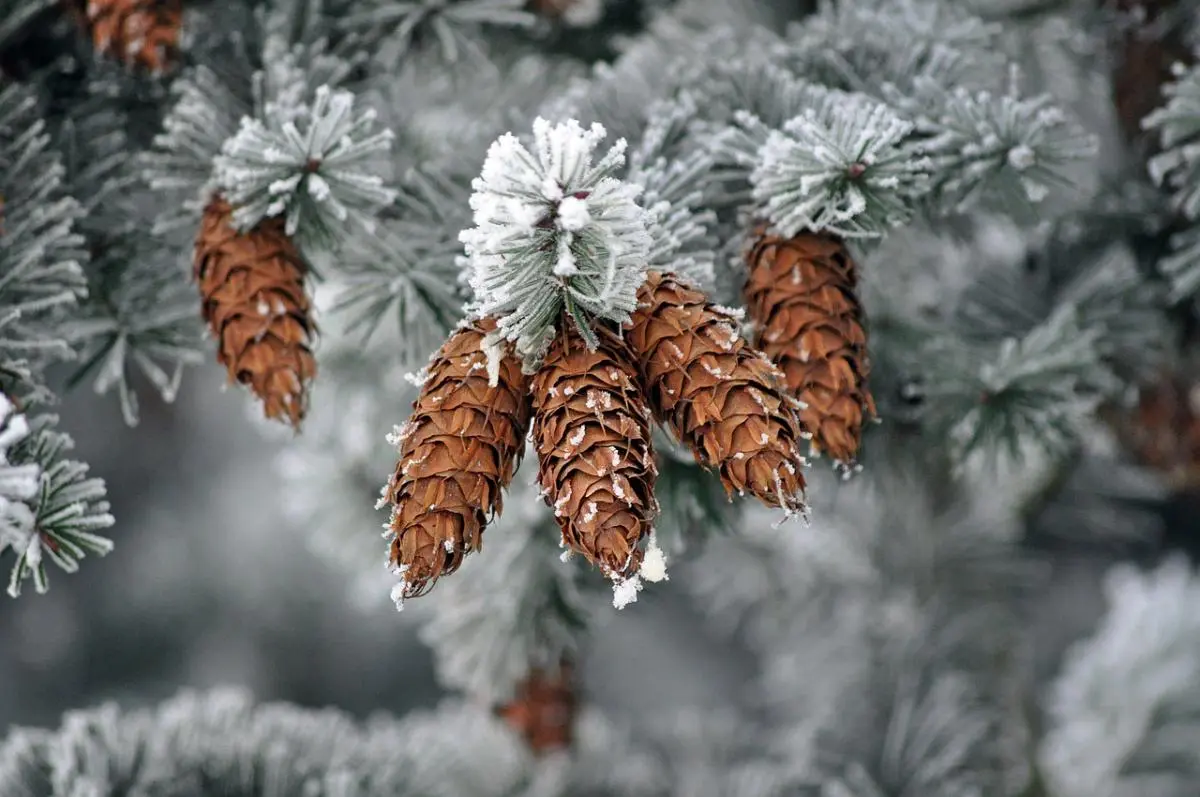
A small number of pinecones that have fallen on the lawn won’t harm the grass, but large clusters should be removed during fall yard cleanup, or by early winter at the latest. This advice comes from landscape designers and gardening experts, according to Martha Stewart.
Problems arise when there are too many pinecones on the lawn and they form a thick layer covering it.
“They can damage the grass if there are enough of them to block sunlight from reaching the lawn or keep it damp, which will damage or kill the grass,” warns Jason Bradbury, owner of Derbyshire Walling and Landscaping.
According to him, pinecones decompose very slowly, so they’ll remain on the lawn for a long time. They damage lawn mower blades, can cause people to slip, and make the lawn look unkempt.
It can take several years for pinecones to decompose completely. If they lie on wet grass or under snow, moisture accumulates inside them, along with pathogens, fungi, and mold. In addition, dry pinecones catch fire easily, so you shouldn’t keep piles of them near your house, Southern Living emphasizes.
Clearing the lawn before mowing is also recommended for safety reasons. Rotary mowers can fling small objects that get caught under the blade, turning them into dangerous projectiles, according to the University of Minnesota.
When to Grab a Rake
The best time to clean up is when the trees have shed almost all their pinecones. In the spring, it’s a good idea to inspect the area again.
“I would remove them from the lawn in early winter, when almost everything has already fallen from the trees, and I would definitely check again before mowing the grass in the spring,” advises Bradbury.
Gillian Meketanski, owner of the design firm The Southern Garden Edit, suggests collecting pinecones periodically so they don’t have time to pile up. For a small yard, a rake will do the trick, but for a large one with lots of pine trees, it’s more convenient to use a wheeled pinecone collector. It’s best to do this when the lawn is relatively dry.
It’s a good idea to leave some pinecones behind
Pine cones also have their benefits: birds and squirrels feed on their seeds, and insects overwinter inside them, becoming food for birds in the spring.
“Instead of removing every pinecone from the property, I recommend moving some of them to the garden’s natural areas. That way, wildlife will benefit from them, and they won’t interfere with lawn care,” Meketanski says.
Experts advise using the collected pinecones around the house. Chopped pinecones can be added to mulch or compost; whole ones can be placed as drainage at the bottom of large planters; they can be coated with peanut butter and rolled in seeds for a winter bird feeder; or they can be used in seasonal decorations.