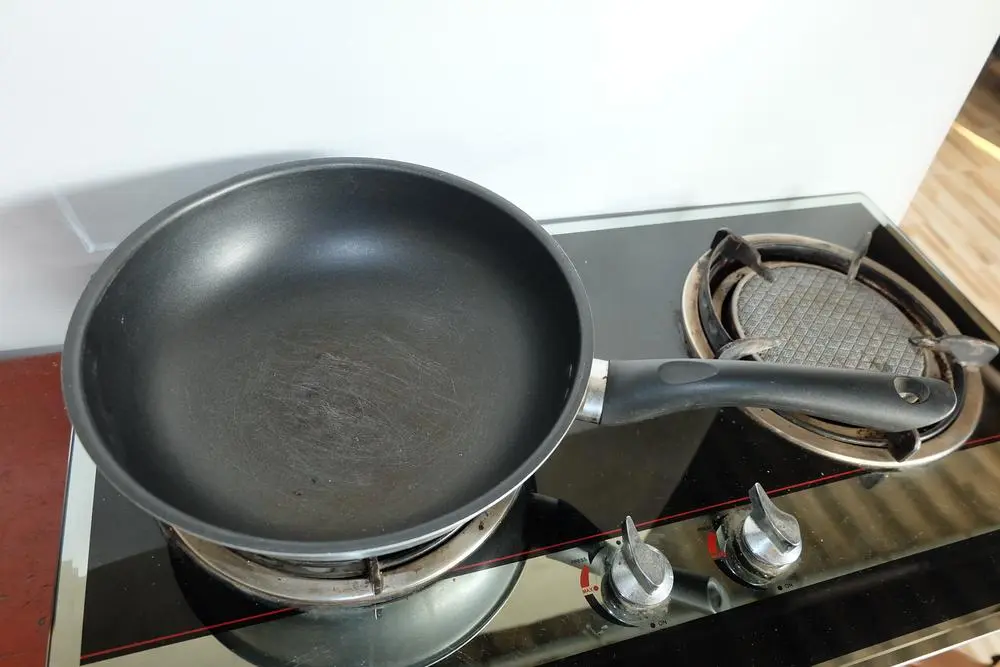
Greasy pots and pans should be washed with warm or hot water: grease doesn’t dissolve in cold or barely warm water, and dish soap isn’t as effective. However, there are times when it’s better to use cold water. Alicia Sokolowski, president and co-CEO of the cleaning company Aspen Clean, explained this, according to Martha Stewart.
Grease is a semi-solid substance and does not mix well with water. High temperatures melt solidified grease and separate oil residues, allowing the detergent to coat and break them down.
“With cold water, the grease just hardens and sticks even more firmly, so you end up scrubbing endlessly, often without much success. That’s exactly why, if you’ve ever tried to wash a skillet right after frying bacon, it seems like the hot water does most of the work,” notes Sokolowski.
Lukewarm water usually just smears the grease across the surface of the cookware, and washing takes more effort than necessary.
“When you use warm or hot water, it softens the grease and makes it easier to remove from the surface. This gives your dish soap a chance to do its job,” the expert emphasizes.
At the same time, Sokolovskaya warns that melted grease should not be poured down the sink, as this can cause problems with the drainage system and harm the environment. It’s better to wipe off excess grease before washing.
When Cold Water Works Best
The first exception applies to cookware that hasn’t had time to cool down after cooking. If you pour hot water into a scorching-hot skillet, it can warp, especially if it has a nonstick coating. For a cast-iron skillet, such a temperature change can damage the protective layer over time. Therefore, it’s best to let the cookware cool down first or rinse it with cold water.
The second exception applies to protein-based stains, such as baked-on egg. Cold water prevents the protein from sticking even more firmly to the surface, so it’s best to rinse such cookware with cold water first. If there is also grease on the pan, the Sokolovskys recommend soaking it in warm soapy water for a few minutes before cleaning.
Katie Sullivan of the Cleaning Institute of America also recommends washing dishes with clean hot water and following the dosage instructions on the label. According to her, abundant foam merely indicates that there is still detergent in the water, but it does not guarantee better results. For dishes with greasy, baked-on, or burnt-on residue, she recommends soaking them for about 15 minutes in warm water with dish soap, according to TODAY.