
The Canary Islands, Liguria, the canyons of Arizona and Utah, Budapest, Laos, Anguilla, southwestern Sri Lanka, Mount Kenya, Japan’s Chubu region, Svalbard, the Swiss canton of Valais, and Uganda have made the list of the 12 best travel destinations for January, according to Lonely Planet.
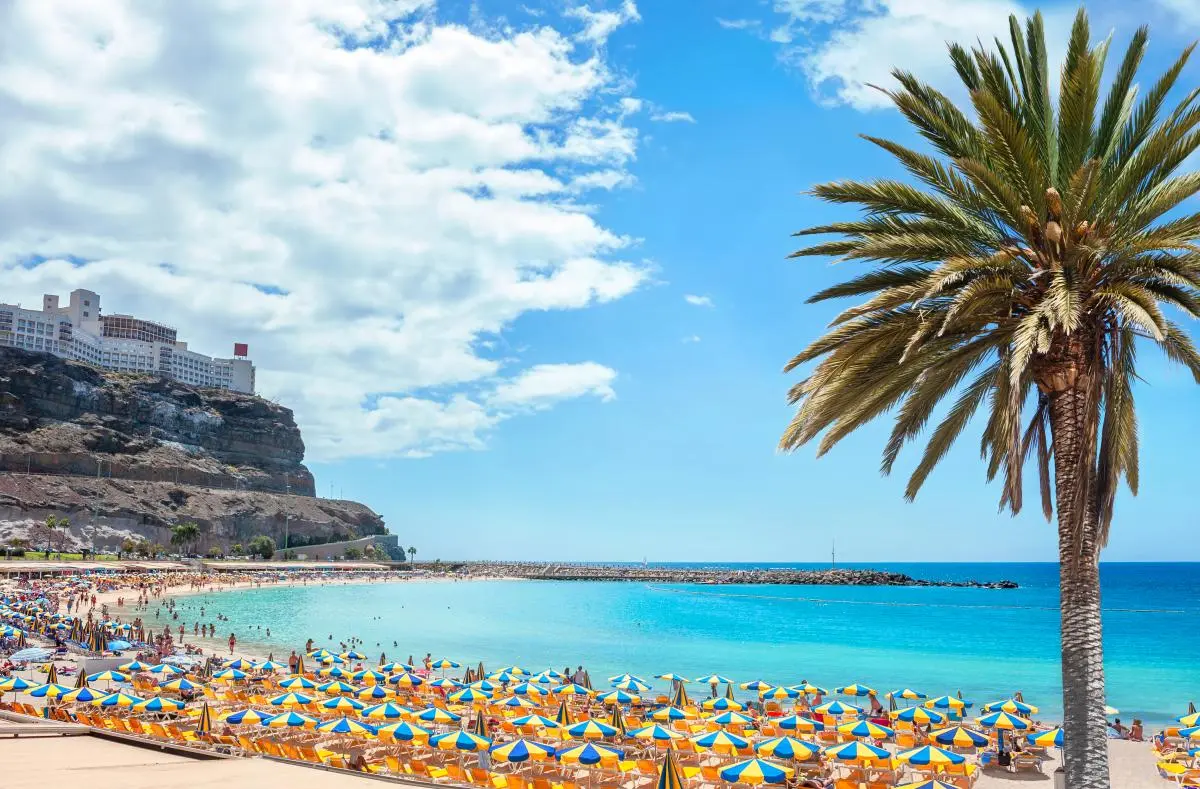
For those looking to escape winter, the publication recommends the Canary Islands: January is peak season there, so it’s best to book accommodations in advance or choose smaller islands such as El Hierro, La Gomera, or La Palma. Similarly, you’ll need to plan ahead for a trip to the Caribbean island of Anguilla with its white-sand beaches.
For peaceful, crowd-free travel, the authors recommend Genoa and Cinque Terre, where the 120 km of hiking trails are usually the least crowded in January. However, many local hotels are closed during the winter. In the snow-covered national parks of Zion, Bryce Canyon, and Canyonlands, temperatures drop well below freezing, and snowfall can block roads, so it’s advisable to allow a few extra days.
Winter destinations include Budapest, with over 120 hot springs, the Japanese Alps, where macaques bask in the thermal springs near Yudanaka, and the Goms Valley in the Valais, with 80 km of winter hiking trails and over 100 km of ski runs.
More exotic destinations include dry and relatively cool Laos, Sri Lanka, off whose coast blue whales and sperm whales can be spotted at this time of year, as well as an ascent of Mount Lenana (4,895 m) in Kenya. In Uganda, only eight permits are issued per day for each of the 19 mountain gorilla families accustomed to human presence, and children under 15 are not allowed on such excursions.
The Polar Night: A Chance to See the Northern Lights
Svalbard, where there are more polar bears than people, has been named the best place to view the Northern Lights. During the darkest months of the polar night, from mid-November through January, the chances of seeing the aurora are very high, provided the sky is clear and auroral activity is high. Norwegian and SAS operate flights to Longyearbyen from Tromsø and Oslo.
Tom Kerss, an astronomer and chief “aurora hunter” for the Norwegian company Hurtigruten, singles out Norway above all other locations. According to him, the country’s coastline offers spots sheltered from inclement weather, and the cold there is significantly milder: when it’s minus five in Tromsø, it can be minus 25 in Finland, he said in an interview with AFAR.
“Norway is my favorite place because it has something other places lack. It’s a land where the sea and the sky meet,” Kerss emphasizes.
The expert advises beginners to go during a new moon, since a full moon illuminates the sky and hides the faint glow. It’s also a good idea to find dark, safe locations with better weather conditions in advance—within a 30- to 60-minute drive from your lodging—and set aside at least four nights for your search. When cloud cover is around 50%, this buffer usually allows for two nights of observations. Kerss sums up his final piece of advice succinctly: you need perseverance.