
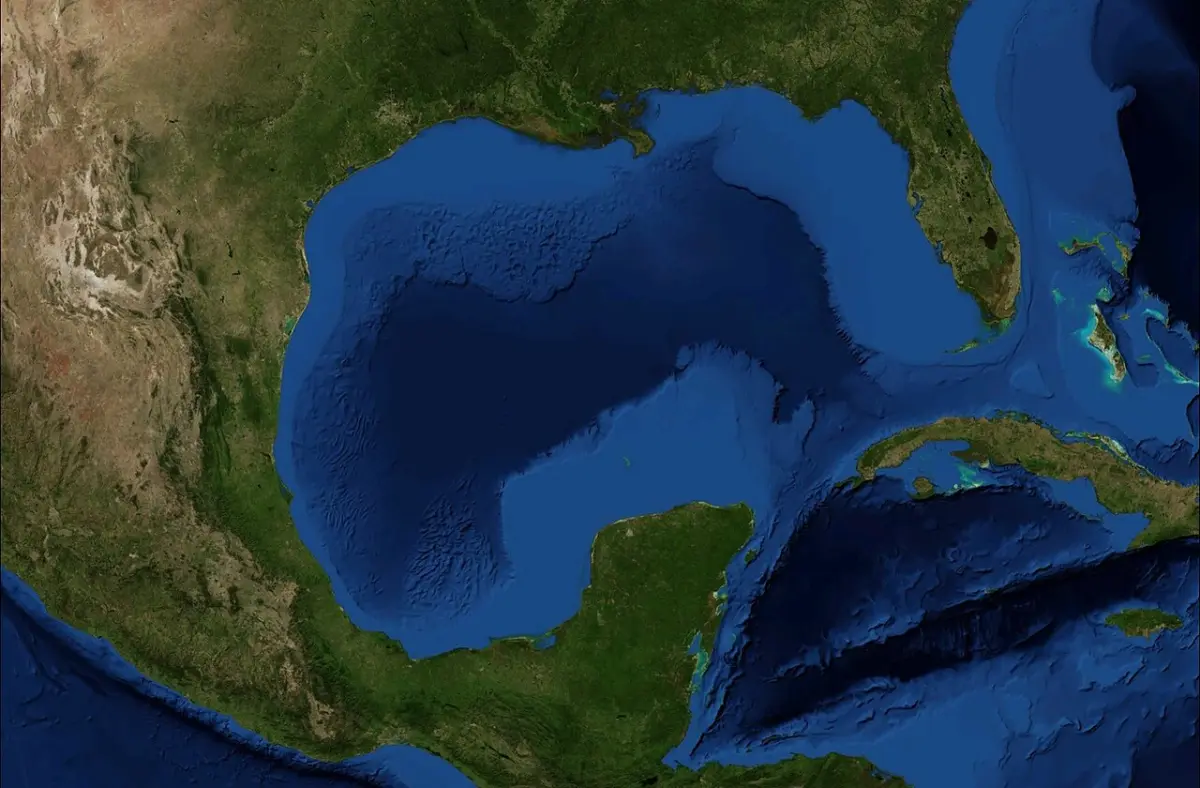
Off the coast of Mississippi, a 31-metric-ton propane tank and a steel tower—which firefighters had previously used for training—were sunk to create an artificial reef for fish in the Gulf of Mexico. The structures were sunk to the seabed approximately 13 miles (about 21 km) south of Petite Boa Island, which is part of the Gulf Islands National Park. The project is part of a program to expand the network of artificial reefs along the state’s coastline, according to The Times of India.
The equipment belonged to the Forts Lake Volunteer Fire Department and was no longer needed after training exercises were completed. The Jackson County Emergency Management Agency, the Mississippi Department of Marine Resources, and the Mississippi Gulf Fishing Banks organization joined the project. The Chevron refinery in Pascagoula allocated $30,000 to transport the heavy structures and ensure their safe submersion.
This is the company’s second such project in the region. In 2023, it supported the creation of a reef using surplus steel from its plant, and, according to estimates by the Department of Marine Resources, the site is now home to more than 530 red snappers, as well as hundreds of spiny lobsters, shovelnose rays, sheephead, and groupers. No comparative data on the new reef is available yet.
Focus on Fishermen and the Charter Industry
For local fishermen, the issue is acute: there has historically been a shortage of natural reef areas off the Mississippi coast. Ralph Humphrey, president of Mississippi Gulf Fishing Banks, recalled in a comment to WLOX what the region was like before the first artificial structures were built.
“Back then, there were no artificial reefs, and there weren’t any reefs at all—just a muddy bottom. It’s good for shrimp, but not really suitable for reef fishing,” Humphrey said.
The new structure, he said, will benefit both commercial and recreational fishing. Charter boat captains operating in both federal and state waters will be able to make money there, and it will open up “a whole range of opportunities” for recreational anglers. Jackson County Operations Coordinator Terry Jackson emphasizes that the project is an extension of an existing reef-building program designed to preserve fish stocks for all coastal residents.
The sponsoring company expects the decommissioned equipment to benefit the marine environment for decades. Chevron Public Relations Advisor Katarina Scott is confident in the durability of the submerged structures and called the project “simply a wonderful thing” for the coastal fishing community.
“These steel structures are there on the seafloor, and they’re not going anywhere. It will be a place where fish can continue to grow, thrive, and reproduce, so the benefits will likely last for a very long time,” Scott noted.
The Downside of “Ocean Growth”
Artificial reefs in the northern part of the Gulf of Mexico have long ceased to be isolated structures. There are nearly 2,200 active oil and gas platforms operating there, and almost as many inactive structures: repurposed platforms, sunken ships, and concrete reef blocks. In 2016, the total number of artificial reefs in the region reached 4,176, according to the authors of a review in the journal Frontiers in Marine Science.
Hundreds of decommissioned platforms have been converted into reefs as part of the federal Rigs-to-Reefs program. Apart from a few natural shoals, these artificial structures are the only hard, shallow-water substrate for benthic organisms in the deeper waters of the northern part of the bay. This large-scale expansion of habitat has occurred in just about 50 years.
Scientists acknowledge that these structures serve as important habitats for commercially valuable species, particularly the red snapper. At the same time, they are often viewed as “stepping stones” for the spread of invasive species, such as Tubastrea corals or lionfish. Less attention is paid to other risks: the potential for promoting mass jellyfish blooms and an increase in cases of ciguatera poisoning.
Separately, researchers point out that artificial structures are significantly less stable than natural reefs: they are dismantled, and those left on the seafloor gradually deteriorate. The rates of colonization and species extinction on such structures, as well as the connections between them via larvae, have not yet been sufficiently studied.