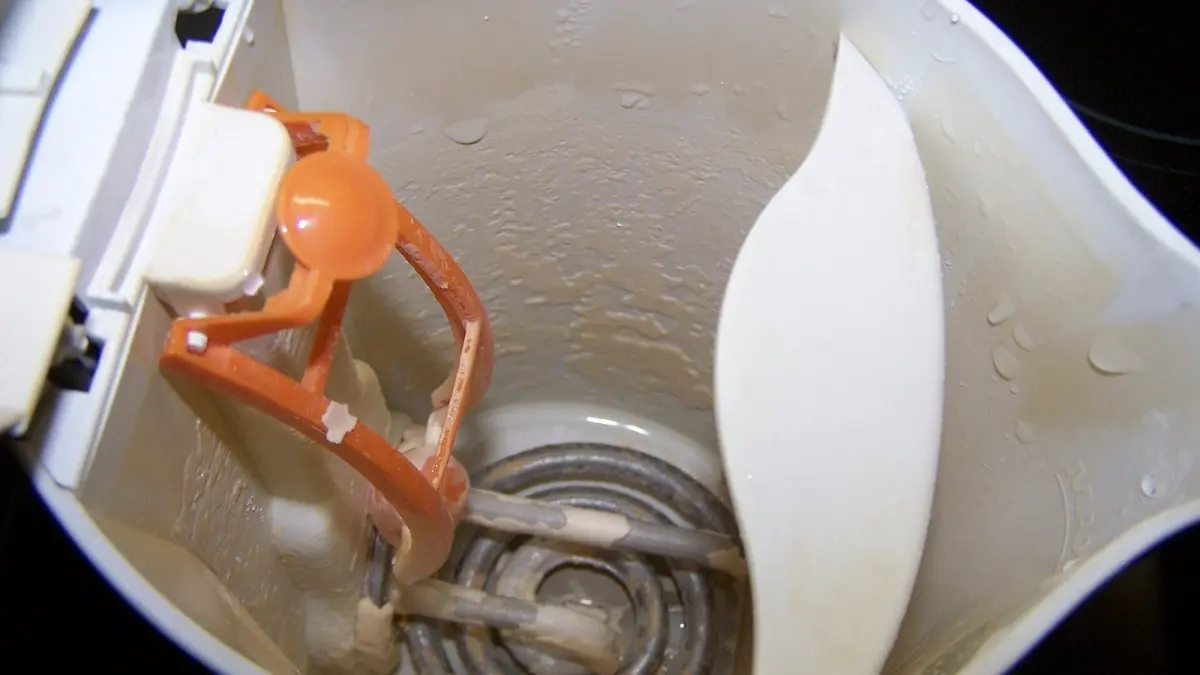
Citric acid can be used instead of vinegar and baking soda to remove limescale from a teapot. To do this, simply use two level teaspoons of powder—about 8–10 g—per 500 ml of water. Heat the solution according to the manufacturer’s instructions and let it sit for 15–30 minutes. Afterward, rinse the kettle thoroughly, boil clean water in it, and pour it out, according to Wprost.
The main advantage of citric acid over vinegar is that it doesn’t have a strong odor, so you won’t have to air out the kitchen for long. Baking soda has a slightly alkaline reaction and does not chemically dissolve calcium carbonate. There’s also no point in combining it with acid, since the substances partially neutralize each other. Do not mix acid with bleach or other cleaning products.
A light layer of scale disappears in just a few minutes, while a thick layer may require repeating the procedure. You shouldn’t increase the concentration of the solution or leave it on overnight. You should also avoid scraping off the scale with a knife or metal sponge: this can scratch the steel, damage the protective coating, or harm the heating element. Kettles with aluminum parts, special coatings, or a damaged interior surface require special care.
The publication also warns against having unrealistic expectations regarding energy savings. Thick scale impairs heat transfer, but claims that each cleaning reduces energy consumption by 15% or doubles the appliance’s service life are inaccurate: the result depends on the kettle’s design, the thickness of the scale, and the conditions of use.
The chemistry behind the process is simple. Scale consists mainly of soluble calcium bicarbonate, which breaks down into insoluble calcium carbonate when heated. This is how temporary water hardness is removed. Boiling does not remove permanent hardness caused by calcium and magnesium sulfates. Acids convert scale into soluble salts that are easily rinsed away with water. For toilets, stronger acids—such as hydrochloric acid—are used, while descaling products for kettles most often contain citric, lactic, or formic acid, explains Compound Interest.
How Often to Clean a Teapot
The frequency of cleaning depends on water hardness and how often the kettle is used. As a general rule, you should clean your kettle about once a month or as directed by the manufacturer. American testers recommend filling the kettle halfway with water, adding two tablespoons of lemon juice or citric acid, bringing it to a boil, and letting it sit for about 20 minutes, according to Good Housekeeping.
For Nicole Papantoniou, director of the Good Housekeeping Institute’s kitchen lab, regular maintenance of the appliance is important not only for its functionality.
“It’s important to clean the kettle so the water tastes fresh. Plus, if you have a clear kettle, you’ll see the scale buildup, so cleaning will help it look its best,” Papantonio emphasizes.
Carolyn Forte, the institute’s former executive director of the Household Chemicals Lab, points out that vinegar and citric acid are equally effective at dissolving mineral deposits throughout the home. At the same time, the advice from American experts differs in some respects from that of Polish experts. They allow for cleaning with baking soda for light buildup, but if the scale is very thick or the kettle hasn’t been cleaned in over a year, they recommend leaving the solution on overnight. Both sources agree on one thing: abrasive brushes damage the heating element. Wipe the outside of the kettle with a damp cloth; do not run it under the faucet or wash it in the dishwasher.
When Citric Acid Can Cause Damage
Catherine Green, an eco-cleaning expert for the Smol brand, recommends using one tablespoon of citric acid per 500 ml of water for the kettle: bring to a boil, let it sit for 15–20 minutes, and rinse thoroughly. The same solution mixed with half a liter of warm water works well for glass, shower stalls, faucets, and sinks. In the washing machine, acid should not be used at temperatures above 40 °C, as it can form calcium citrate, which clogs pipes, according to Woman & Home.
However, this solution is not a one-size-fits-all remedy, as some household materials are incompatible with it.
“Although citric acid is excellent at removing limescale and deposits, it is still an acid, so there are a few things you should avoid. Do not use it on natural stone surfaces, such as marble, granite, or limestone, as it can corrode them or make them dull. Likewise, don’t use it on brass, copper, or aluminum, as the acid can react with these metals and cause discoloration or corrosion,” warns Green.
Wooden surfaces and floors are also at risk, as the acid can damage their protective coating. Fabrics and upholstery may become discolored or less durable, so test the product on an inconspicuous area first. It works best on non-porous surfaces: glass, ceramics, stainless steel, and plastic.
Another common question is whether it’s a good idea to combine two popular limescale removers.
“Both are mild acids (citric acid from citrus fruits and acetic acid from vinegar), so combining them doesn’t make the solution stronger or more effective. In fact, it might even make the cleaning mixture less effective, because the acids can compete with each other rather than complement one another,” Green notes.
The expert advises choosing a cleaner based on the task at hand: citric acid for removing limescale, and vinegar for eliminating odors and grease.