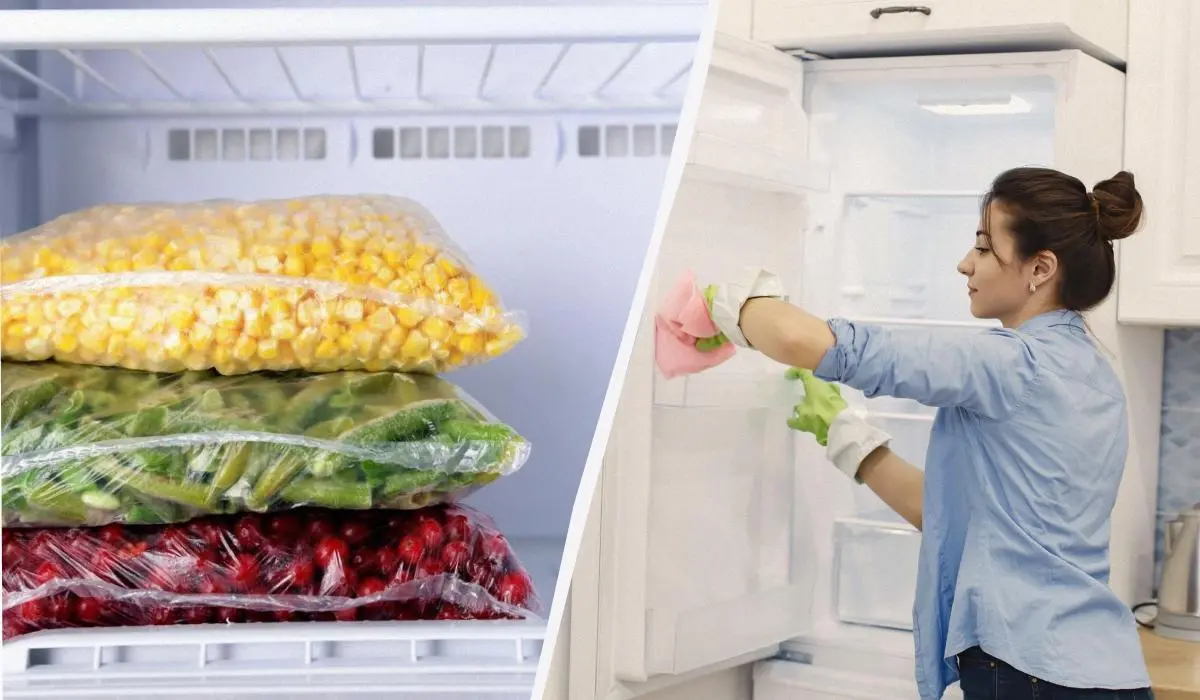
Before you start your holiday shopping, it’s a good idea to clean out your freezer and get rid of any food that’s past its expiration date, shows signs of freezer burn, or that no one is going to eat. This will free up space for the turkey, prepared foods, and leftovers from holiday meals, according to Southern Living.
They advise paying special attention to meat. Fresh meat and poultry can be stored in the freezer for up to a year, while processed meat products shouldn’t be kept there for more than two months. Home-cooked leftovers that have been sitting for more than three months should be thrown out, and those that will be eaten in the coming days should be thawed.
You should also get rid of items in leaky packaging, nearly empty containers, and unlabeled food that can no longer be identified, since it’s unclear how long it has been stored. Non-edible items, such as ice packs or batteries—which some people store in the freezer—should also be removed from the freezer.
A thorough cleaning in a few hours
Experts recommend cleaning the freezer every three to six months. Before starting, unplug the appliance and transfer the food to a large insulated container with ice. According to the FDA, a refrigerator without power retains its cold for about four hours, so the food won’t have time to spoil.
To speed up defrosting, place a bowl of very hot water inside the freezer and close the door. Scrape off the melted ice with a plastic or rubber spatula. Wash the shelves and walls with hot soapy water, then treat them with a 1:1 solution of white vinegar and water, and wipe them thoroughly dry. Do not return the food until the compartment has cooled down again.
Proper Temperature and Safe Defrosting
The freezer should operate at 0°F (about −18°C) or lower, and the refrigerator at 40°F (about 4°C) or lower. You can defrost food in the refrigerator, in cold water, or in the microwave, but never on the kitchen counter, because bacteria multiply very quickly in food that warms to room temperature, according to the Oregon Health and Safety Bureau.
According to the CDC, Clostridium perfringens outbreaks most often occur in November and December and are frequently linked to turkey and roast beef. These same types of meat are a common source of Salmonella and Campylobacter, which can easily spread to other foods through unwashed hands and contaminated surfaces.
“No one wants their holiday dinner to be remembered as the source of a foodborne illness outbreak, such as salmonella, Clostridium, or Campylobacter. If you plan ahead to keep your kitchen clean, your meal will be remembered as a joyful gathering of friends, family, and neighbors,” says Emilio DeBess, an epidemiologist with the agency.