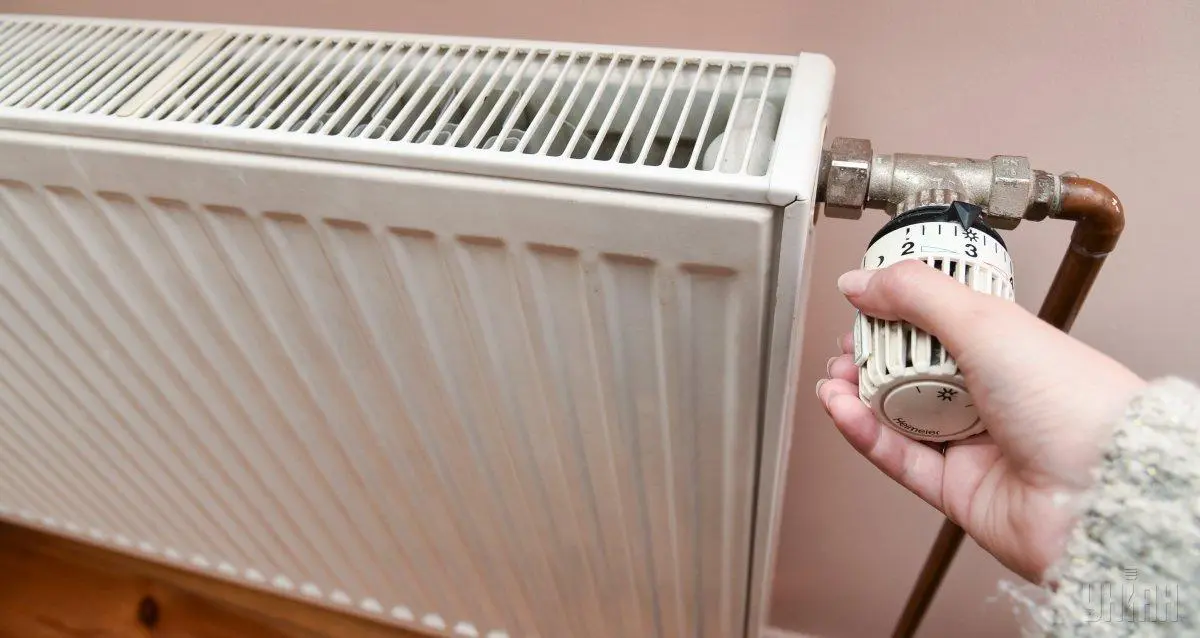
If the radiator gurgles at night and its top is barely warm while the bottom is hot, turning up the heat is pointless: the problem isn’t with the boiler or the water, but with the air that has accumulated inside the radiator, according to JUGinfo.hr.
Air collects at the top of the radiator, so the hot water doesn’t reach the upper part and doesn’t heat the entire surface. Gurgling and tapping are signs of the same problem. Radiator manufacturers warn that air hinders normal circulation: pressure in the system can drop, the boiler may sometimes shut down, and the system itself will rust more quickly over time.
A few minutes of work instead of a louder boiler
Before bleeding the air, turn off the heating and wait for the radiators to cool down. Water sprays more forcefully from a hot radiator, so it’s easy to get burned or flood the floor.
The bleed valve is usually located at the top of the radiator, on one side. Place old towels underneath it and set a container nearby, then use a wrench to slowly turn the valve counterclockwise by about a quarter turn. When the hissing stops and water begins to flow, close the valve. Repeat the procedure on every radiator with a cold top.
Afterward, check the pressure gauge on the boiler, as the pressure will have dropped slightly. For residential heating systems, a pressure of 1–1.5 bar is recommended when the boiler is turned off. If a lot of air has been released, you may need to top off the system with water according to the boiler manufacturer’s instructions or by calling a service technician.
Once the pressure is normal, turn on the heating, and the radiator should heat up evenly from the bottom up. If it remains cold, the cause may be a clog or a more serious malfunction, in which case you should contact a specialist. A properly functioning radiator reduces the load on the boiler and lowers your utility bill.
When It’s Not Just Air
British plumber Chris Gill of C Gill & Son Plumbing & Heating confirms that gurgling with a cold spot at the top almost always means there’s air in the radiator. However, if bleeding the air doesn’t help and the water comes out black, the noise may be caused by sediment restricting the flow, in which case the system needs to be cleaned, notes C Gill & Son.
Loud thuds when turning the heating on or off, according to the plumber, are often caused by pipes expanding and rubbing against wooden floors. The knocking may also be due to a pump set too high. A cause for concern, according to Gill, is a change in the nature of the sound.
“If the knocking is new, loud, or getting worse, you should have a specialist inspect the system rather than just turning up the volume on the radio,” advises Gill.