
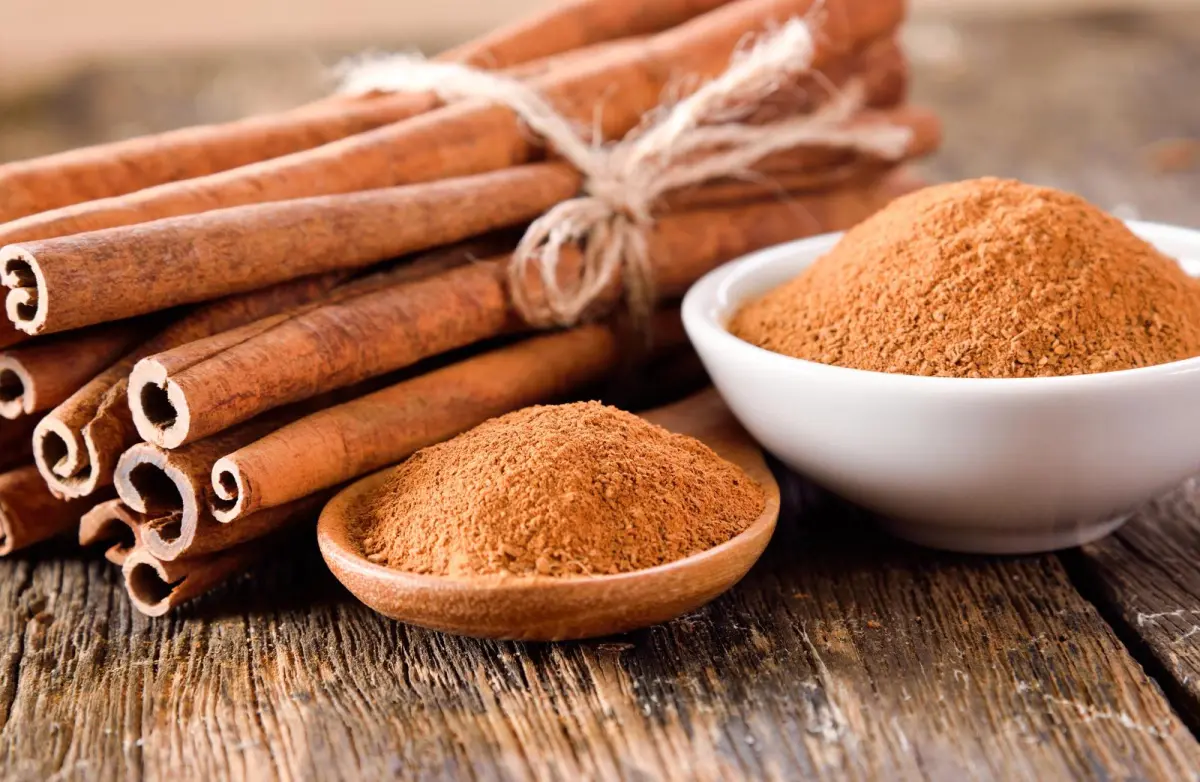
Excessive consumption of cinnamon—a staple of every Christmas table in Poland—can damage the liver. The risk is linked to coumarin, a natural substance found in particularly high concentrations in cheaper varieties of the spice. This primarily applies to those who consume cinnamon regularly and in large quantities, according to Planeta.pl.
In large doses, coumarin is toxic to the liver. In sensitive individuals, even a relatively small amount of this substance can cause harm. In more severe cases, liver inflammation may occur, one of the symptoms of which is jaundice. At the same time, a few gingerbread cookies or a slice of apple cake pose no threat: the danger lies in the long-term consumption of large portions. The publication cites the example of a person who eats a lot of cinnamon-spiced baked goods every day throughout December and also sprinkles cinnamon into their coffee and oatmeal.
Cassia vs. Ceylon
Cassia, the most common variety found in stores, is cheaper and has a rich flavor. However, it contains significantly more coumarin than Ceylon, or “real,” cinnamon. Color and aroma won’t help you tell the varieties apart, so be sure to check the label on the package.
The European Food Safety Authority (EFSA) has set the acceptable daily intake of coumarin at 0.1 mg per kilogram of body weight. A person weighing 60 kg can reach this limit by consuming approximately 2 g of cassia per day. However, there is no universal safety standard, as the coumarin content varies significantly between different batches of the spice.
According to the German Federal Institute for Risk Assessment (BfR), cassia contains an average of about 3,000 mg of coumarin per kilogram, and in some samples, this figure reached 10,000 mg. A child weighing 15 kg reaches the permissible dose after consuming just 0.5 g of such cinnamon. The institute considers a brief, slight exceedance of the limit over the course of one to two weeks to be safe, and liver damage is usually reversible. The BfR also warns that cinnamon-based dietary supplements may have high coumarin content, according to the BfR.
Who Should Be More Cautious
People with liver disease, those who regularly consume large amounts of cassia, take cinnamon supplements, or use it in high doses for health purposes should exercise caution. If you have a chronic illness or are taking medication, consult your doctor and do not replace prescribed treatment with supplements.
Ihlas Khan, assistant director of the National Center for Natural Products Research at the University of Mississippi, urges people not to panic. According to him, liver problems can occur only in a small number of sensitive individuals, and only if they exceed the maximum recommended daily dose for at least two weeks. Even then, the toxic effect is reversible.
“This isn’t a hard-and-fast rule like, ‘If you eat this specific cereal mix in this amount, something will happen to you,’” Khan emphasized in a comment to NPR.