
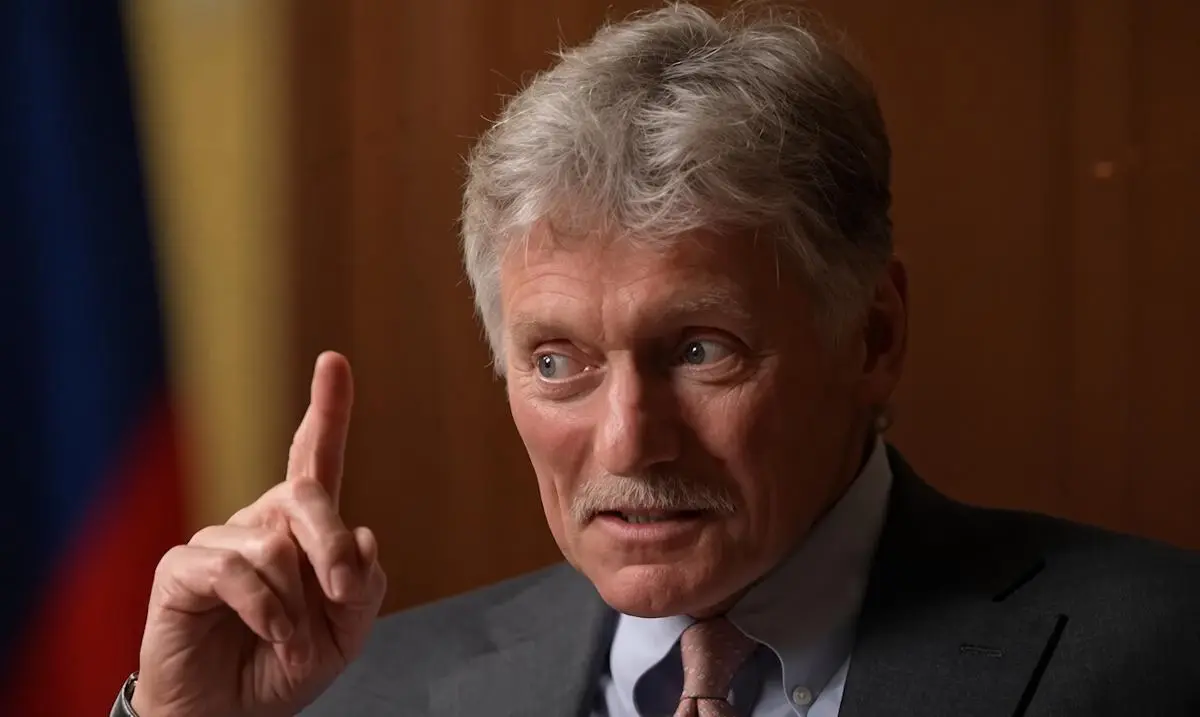
Kremlin spokesman Dmitry Peskov accused former British Prime Minister Boris Johnson of derailing a peace settlement between Ukraine and Russia in 2022. According to Peskov, it was the British politician who allegedly prevented the parties from ending the war, as reported by Glavkom.
“We know Boris Johnson; we know about his destructive role. In fact, he is the person who prevented the war from ending in 2022 and who continues to maintain this far-from-peaceful stance,” Peskov stated.
The Russian authorities have made similar accusations against Johnson on multiple occasions. At the same time, the existence of an agreement ready for signing—which the British politician allegedly derailed—has not been confirmed. Earlier, Peskov also rejected Johnson’s proposal to deploy European military contingents in western Ukraine, calling the presence of any foreign troops on Ukrainian territory unacceptable to Moscow.
Negotiator: Bucha Was the Deciding Factor
The claim of British pressure was previously refuted by former Defense Minister Oleksiy Reznikov, who was part of the Ukrainian delegation at the negotiations in Belarus and Istanbul. In his view, Kyiv made decisions regarding the further course of the war independently.
“That idea is nonsense. No one can influence Zelenskyy; he makes his own decisions. Johnson’s opinion carried great weight with our president, but not regarding the dilemma of whether to continue the fight or not,” Reznikov emphasized.
The former minister said that the day after Russian troops withdrew from the Kyiv region, he visited Bucha and saw with his own eyes the bodies of the dead with their hands tied behind their backs. “It was horrific. That’s when we realized we were fighting an army of rapists, murderers, and looters. It was this emotional shock that changed our view of the negotiations, not Johnson,” he noted in an interview with EUobserver.
What Actually Happened in the Spring of 2022
Johnson arrived in Kyiv almost without warning on April 9, 2022, when the parties had already outlined the general framework of a possible agreement following the Istanbul talks. According to sources close to Zelenskyy, the British prime minister insisted that pressure should be applied to Putin rather than negotiating with him, and that the West was not prepared to sign security guarantees with Russia. At the same time, sources cited the exposure of war crimes committed by Russian troops in the occupied territories as the primary obstacle to the meeting between the presidents, according to “Ukrainska Pravda.”
An analysis of draft agreements and testimonies from negotiators revealed that there was no single reason for their failure. Western partners were unwilling to take on new security commitments toward Ukraine, public sentiment had intensified following the events in Irpin and Bucha, and the failure of the encirclement of Kyiv bolstered Zelenskyy’s confidence in the possibility of victory on the battlefield. In addition, the parties attempted to reach a comprehensive settlement immediately, without even a basic ceasefire in place, and in May, the negotiations came to a complete halt, notes Foreign Affairs.