
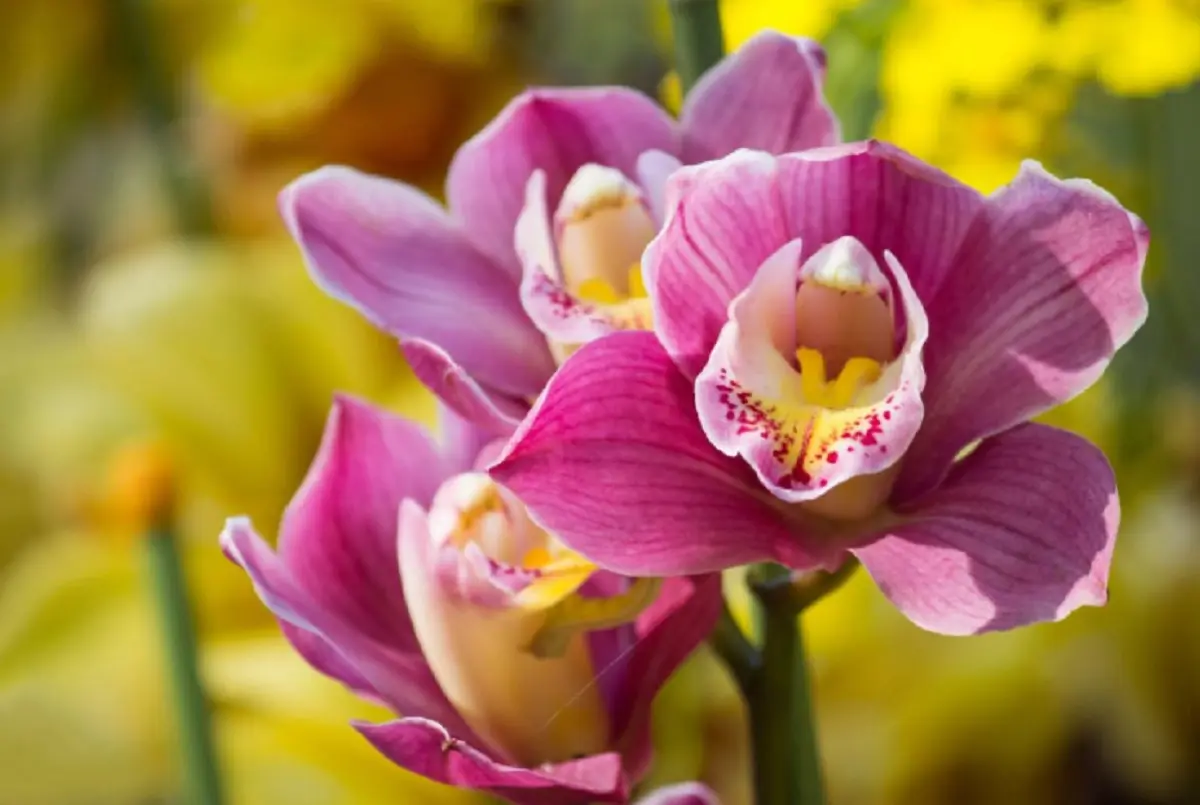
Regular 3-percent hydrogen peroxide from the pharmacy, diluted with water in a 1:4 ratio, will help save an overwatered orchid and encourage it to produce buds again. It is recommended to use this solution for soaking no more than once a month, and for spraying plants with fungal diseases, the concentration should be reduced even further, according to Deccoria.
As it decomposes, hydrogen peroxide releases an extra oxygen atom, which improves soil aeration. This is especially important for epiphytic orchids. Oxygen also destroys the cells of Pythium and Phytophthora bacteria, which cause wet root rot after overwatering, and suppresses the pathogens that cause gray mold.
Before the procedure, the roots must be thoroughly dried. Then they are immersed in the solution for half an hour, and the plant is repotted into loose potting mix. If the orchid has already been overwatered—as indicated by limp leaves and brown roots—a single soak is not enough. Rotten roots must be trimmed with sterilized pruning shears, the cut surfaces and the pot wiped with the solution, the plant dried, and then replanted in fresh potting mix.
To spray against fungal infections, mix 5 tablespoons of hydrogen peroxide with one liter of settled water. Treat the plants in the morning, once a week, until the symptoms disappear. This method only works on the surface, so it’s effective only in the early stages of the disease.
Where the Benefits End
A solution that is too concentrated can cause chemical burns on the leaves and damage the root hairs through which the plant absorbs nutrients. Frequent use also destroys beneficial microorganisms, including nitrogen-fixing bacteria. For healthy plants in good soil, regular treatments offer no added benefit.
Scientific data also do not support the “growth stimulant” effect. In a study by the Agricultural Research Service of the U.S. Department of Agriculture, nasturtiums were watered with hydrogen peroxide solutions ranging in concentration from 0.005% to 0.1%. The authors concluded that such treatment provided no significant benefit to plant growth or flowering, according to the USDA ARS.
A Tool for Extreme Cases
American gardeners interviewed by The Spruce also keep hydrogen peroxide among their gardening supplies, but they caution against overestimating its capabilities.
“It’s not a miracle cure, but it’s one of those inexpensive and reliable tools I’ve learned to turn to when a plant needs a little extra help,” notes master gardener Tabar Gifford.
James Mastayler, founder of Pistils & Pollen, uses the same 1:4 ratio to soak the top layer of soil and kill fungus gnat larvae. Gifford emphasizes the need for caution with any new solution.
“I always test the spray on a single leaf first, because some plants can be sensitive. And I don’t use it as a routine treatment, only when necessary, because excessive use of hydrogen peroxide can disrupt the balance of beneficial microbes in the soil that plants depend on,” Gifford warns.