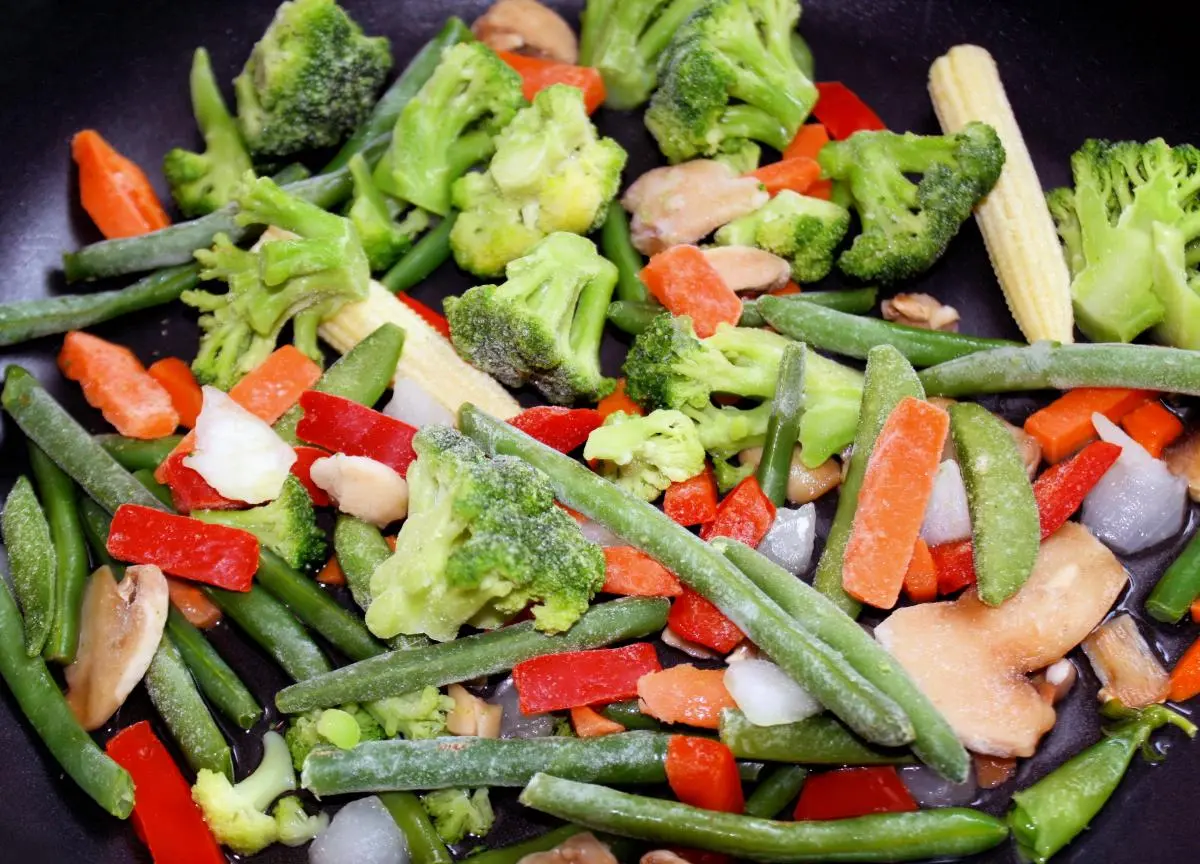
Frozen vegetables turn out tastier and crispier if you don't boil them but instead quickly sauté them in a pan. This method preserves their texture and allows you to add flavor right away. This technique was suggested by the culinary authors at Simply Recipes, according to Express.
Typical frozen vegetable mixes contain carrots, corn, and peas. When boiled, they become soft, lose their texture, and their flavor hardly improves.
First, you need to heat the skillet well. The vegetables release steam quickly, so they’ll become mushy over low heat. Immediately after adding the vegetables to the skillet, season them generously with salt, and after a few minutes, add olive oil or butter. The whole process takes about seven minutes.
At the end, it’s recommended to add a touch of acidity: lemon or lime juice, apple cider vinegar, or rice vinegar. This is especially appropriate if the vegetables are served with a pie or stew. The finishing touch is fresh herbs, grated Parmesan, or feta. The cooked vegetables can be served on their own or added to fried rice or soup.
Chefs: It’s All About the Timing
Culinary experts interviewed by Food Republic advise keeping a close eye on the time on the stove. Frozen vegetables have already been pre-cooked, so they heat up fairly quickly. There’s no need to thaw them beforehand.
“The first step is to avoid overcooking. Many home cooks steam or boil frozen vegetables for too long, which makes them mushy and bland,” emphasizes chef and Ask Chef culinary expert Dennis Little.
Experts agree on the best way to prepare them.
“Sautéing or roasting over high heat transforms frozen vegetables, giving them caramelized edges and a deeper flavor,” notes Little.
Richard LaMarita, a chef instructor at the Culinary Education Institute, recommends roasting frozen vegetables at 200–230 °C on a preheated baking sheet. Arrange them so they don’t touch each other. The moisture must first evaporate from the vegetables, and only then will they begin to brown. That’s why this takes a little longer than with fresh produce.
Just as Good as Fresh
In terms of nutritional value, frozen vegetables are just as good as fresh ones. This is confirmed by a study published in the Journal of Agricultural and Food Chemistry. Researchers compared the levels of vitamins C, B2, E, and beta-carotene in eight foods, including corn, carrots, broccoli, spinach, and peas. The vitamin content in the frozen samples was comparable to—and in some cases higher than—that of the fresh samples. The exception was beta-carotene: its levels were noticeably lower in peas and carrots after freezing.