
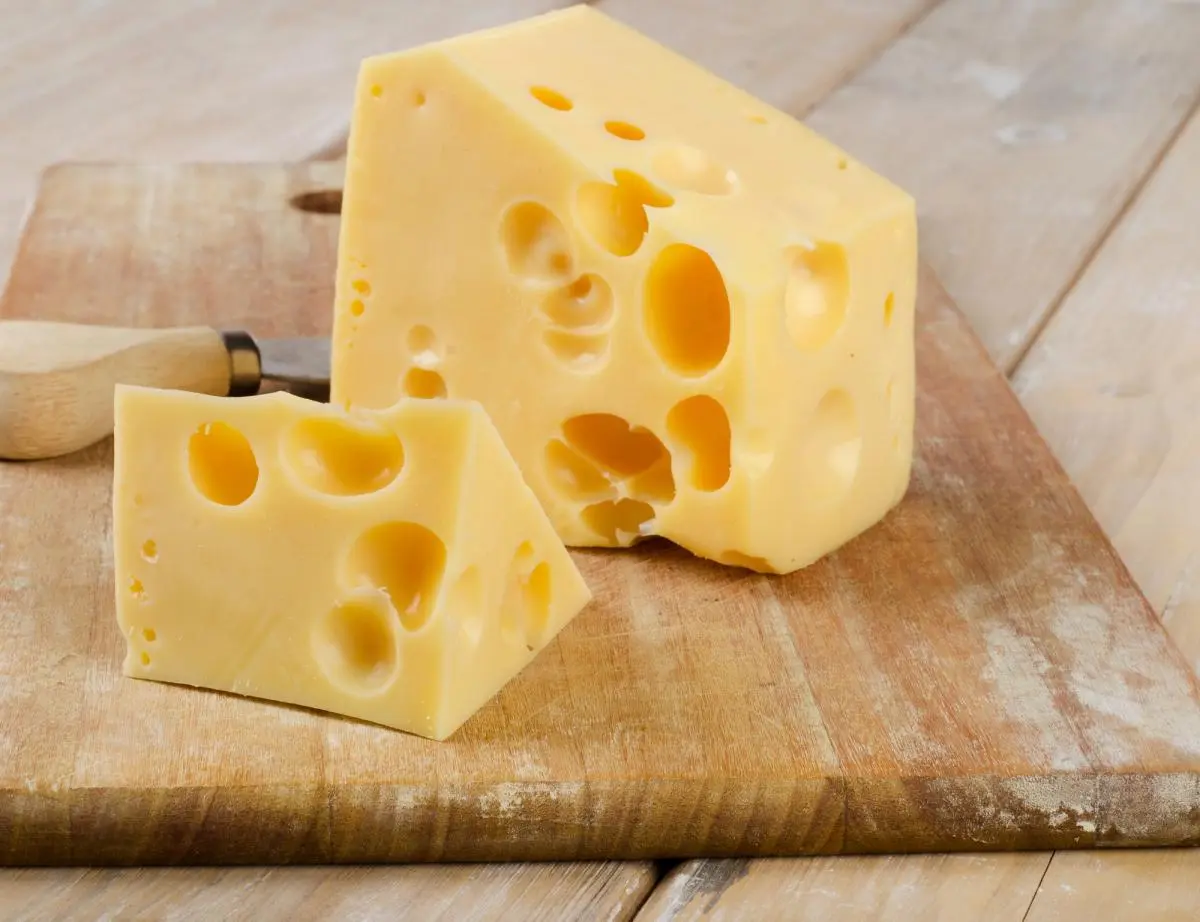
Regular cheese consumption—at least once a week—is associated with a 24% reduction in the risk of dementia. These findings were reported by Japanese researchers in one of the largest studies on this topic, published in the journal *Nutrients*, according to Doctissimo.
The researchers followed 7,982 Japanese adults for three years. Half of the participants ate cheese at least once a week, while the rest did not consume it at all. During this time, dementia developed in 3.39% of cheese eaters and in 4.45% of those who did not consume it.
After adjusting for age, gender, lifestyle, and overall diet quality, the association remained: weekly cheese consumption was associated with a 21% lower risk. The effect was observed regardless of the type of cheese: it held true for processed cheese—the most common type in Japan—as well as for soft cheeses and blue-cheese varieties.
The authors attribute the potential benefit to the product’s composition. Proteins and amino acids support the structure of neurons and the connections between them; vitamin K2 is important for vascular health and calcium regulation; while probiotics and peptides from fermented dairy products may help reduce inflammation and oxidative stress. At the same time, the researchers caution that cheese is not a miracle cure but merely part of a balanced lifestyle, and it should not be consumed in excess.
Swedish Data and Doctors’ Cautions
The authors of a Swedish study published in the journal Neurology reached similar conclusions. The researchers tracked data from 27,670 adults over 25 years, of whom 3,208 developed dementia. Those who ate at least 50 grams of full-fat cheese daily (about two slices of Cheddar) had a 13% lower risk of dementia than those who consumed less than 15 grams, and their risk of vascular dementia was 29% lower, according to Health.
Experts emphasize that this is merely a statistical correlation, not a proven cause-and-effect relationship. In addition, participants in the Swedish study had, on average, low rates of diabetes, hypertension, and heart disease, which could have influenced the results.
“We cannot determine whether the cheese itself influenced the risk of dementia or whether its consumption is a marker of other health habits or dietary patterns,” noted Dalia Perelman, a nutritionist and researcher at Stanford Medicine.
She also points out that full-fat cheese contains saturated fats, which contribute to the development of cardiovascular disease, and that obesity, high blood pressure, and diabetes are closely linked to dementia. For this reason, Perelman does not recommend increasing cheese consumption as a preventive measure.
Jonathan Rasuli, a neurosurgeon at Northwell Health, believes that cheese lovers don’t necessarily have to give up cheese if they eat it in moderation as part of a balanced diet. However, brain health does not depend on a single food: “Ultimately, it is influenced by overall dietary habits, physical activity, sleep, management of vascular risk factors, and cognitive activity,” the doctor emphasizes.