
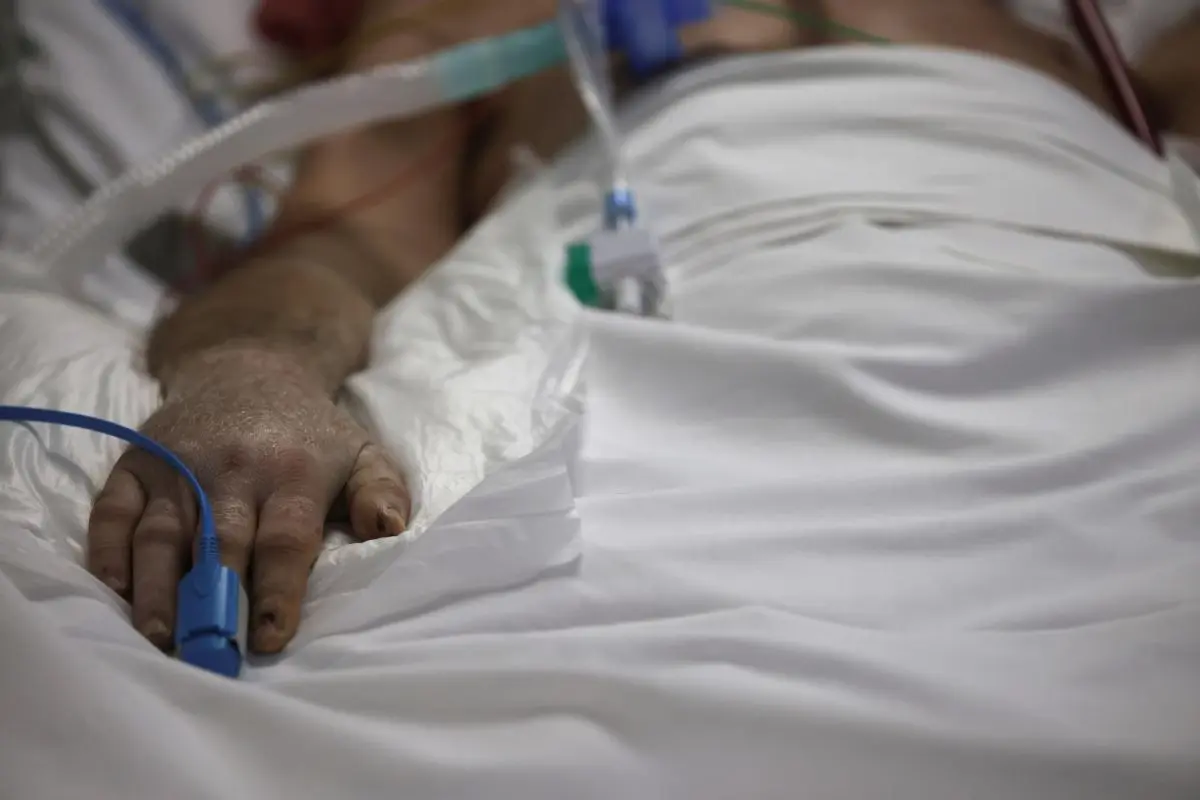
Urinary retention approximately four days before death was the earliest neurological symptom recorded in terminally ill cancer patients. Subsequent changes appeared in a recognizable sequence, according to Medonet, citing a new study.
Researchers observed 236 patients with terminal-stage cancer who were receiving home care and died at home. About three days before death, some of them developed new neuropathic pain. About two days before death, they experienced difficulty swallowing, loss of facial expressions, neck rigidity, changes in head position, seizures, and episodes of respiratory arrest.
The most common sign was loss of facial expression: it was observed in 96.6% of patients. Approximately one day before death, researchers observed impaired consciousness, an open mouth, a high body temperature, and dilated pupils.
At the same time, the researchers emphasize that this pattern is not an exact “clock” and does not allow for predicting the exact moment of death. The timing of symptom onset varied among patients, so a single sign does not in itself mean that death will occur within a few days. Any new or sudden change in the condition of a critically ill person should be reported to a doctor or the palliative care team.
Who Conducted the Study and How
The study was published in July 2026 in the peer-reviewed *American Journal of Hospice and Palliative Medicine*. Its authors are Japanese researchers from Dokkyo Medical University, led by Kunihiko Watanabe. Prospective observation of home hospice patients took place from April 2022 to March 2025. According to OpenAIRE data, the median duration of urinary retention was four days, with an interquartile range of one to seven days.
The authors note that accurate prognosis during the active dying phase remains a serious challenge in palliative care. This is particularly true for home hospice care, where bedside examinations play a key role. In their view, systematic assessment of neurological signs will help healthcare providers predict the course of the illness, counsel relatives in advance, and prepare the family for their loved one’s final days at home.
Early Warning Signs—Long Before the Final Days
Barbara Carnes, an American hospice nurse and author of the well-known guide for families, *Gone from My Sight*, points out that in seriously ill people, the first changes are noticeable much earlier than the neurological signs of the final days.
“A gradual death from illness or old age follows its own process. In the case of illness, this process begins months—two, three, or four months—before death occurs,” Carnes noted on the Caregiver Relief podcast.
According to her, at this stage, the family notices changes in eating habits, sleep patterns, and the desire to communicate.