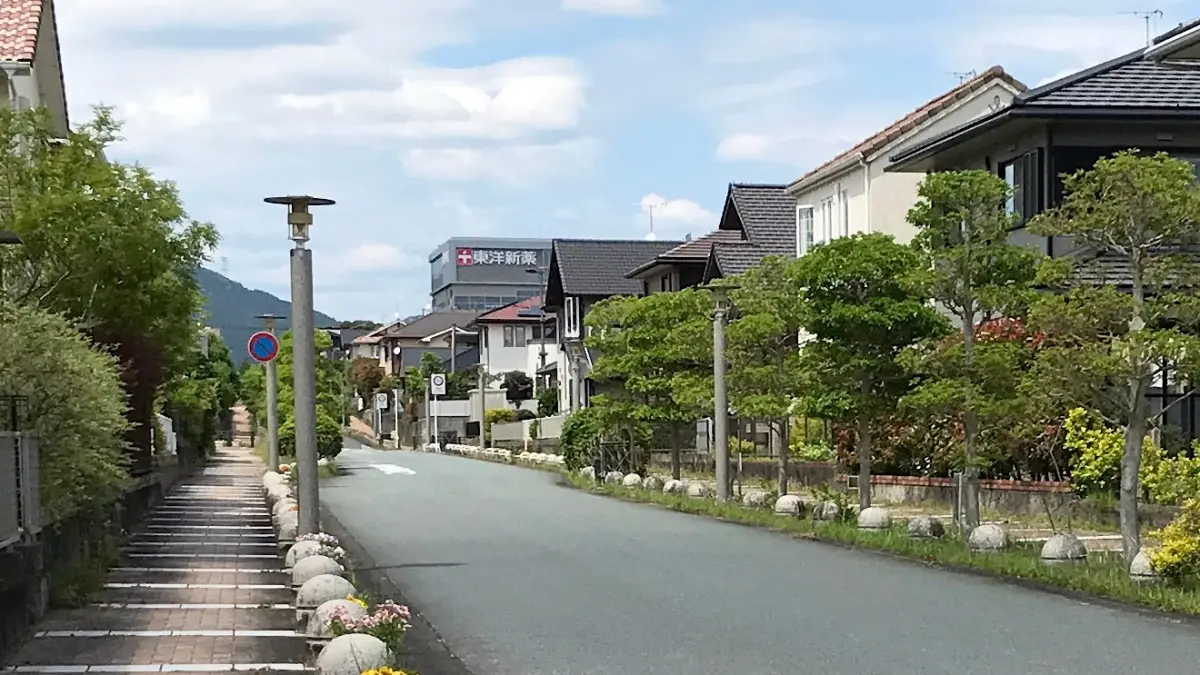
In Japan, residential buildings are lifted up to 3 centimeters above their foundations during an earthquake using compressed air. Air Danshin technology has been around for over two decades, has been installed in hundreds of homes, and continues to be refined, according to Urban.ro.
The system was developed by the Japanese company Air Danshin Systems, founded in 2005. From the outside, such a house looks no different from a regular one. Beneath it, an additional foundation, seismic sensors, compressed-air tanks, and control devices are installed.
As soon as the sensors detect the first tremors, air is injected between the foundation and the building’s base. Within 0.5–1 second, the house detaches from its foundation, and the air cushion limits the transmission of vibrations to the structure. After the earthquake, the air is gradually released, and the building settles back into place within 90 seconds to 3 minutes. There are backup batteries in case of a power outage, and the system can be reactivated during aftershocks.
Tested by a Real Disaster
In February 2021, during a powerful earthquake near Fukushima Prefecture, the mechanism was activated in 30 homes in Fukushima, Miyagi, and Ibaraki prefectures. According to the company, none of the homes sustained damage; however, this is the manufacturer’s report, not an independent assessment. In June 2026, Air Danshin received new approval from Japan’s Ministry of Land, Infrastructure, Transport, and Tourism.
The estimated cost of the equipment for a house with a floor area of about 66 square meters is approximately 3 million yen, excluding taxes. This is not the total construction cost and is not necessarily the final installation cost.
The 2021 earthquake had a magnitude of 7.3. As of May 2021, 227 homes in Japan had been equipped with this technology, according to Air Danshin Director Kinji Inaba. The company itself describes how it works: “A floating house that doesn’t touch the ground doesn’t shake,” writes USA TODAY.
Engineers have their doubts
Experts point out the system’s limitations. Demonstration tests on a vibration table simulated only horizontal shaking, and a 3-centimeter lift does not protect against stronger vertical displacements. Furthermore, the most destructive tremors can occur at the very beginning of an earthquake, before the mechanism even activates, notes the ASME.
“I think it would handle a weaker earthquake. It would certainly dampen some of the movements. I think it’s more a matter of comfort than of minimizing damage,” emphasizes Dick Smith, executive director of the U.S. Council for Seismic Safety of Buildings.
Despite this, the expert considers such projects useful: “Building some of them is a good thing. That’s how we continue to improve,” Smith says.