
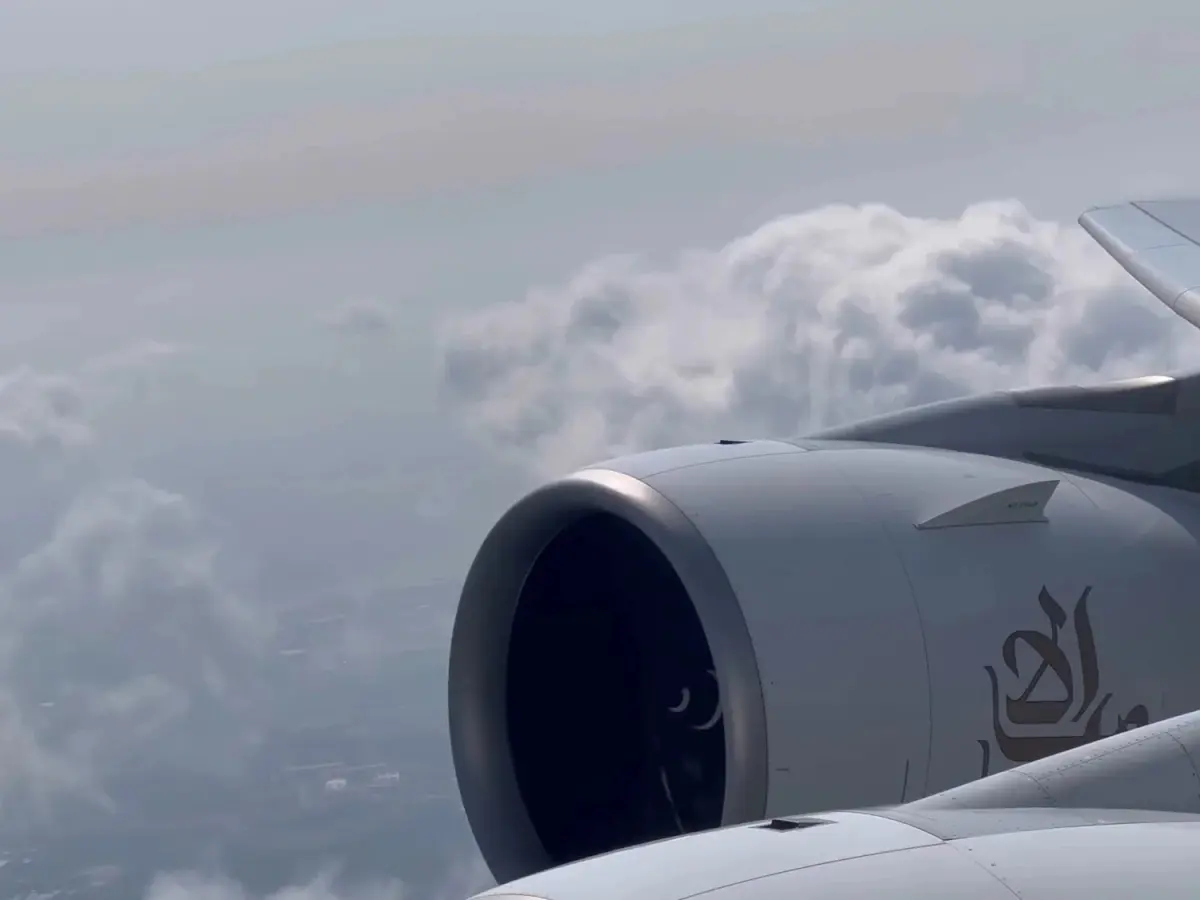
The European Aviation Safety Agency (EASA) has ordered inspections of the wing spars on eight more Airbus A380s. This brings the total to 24 superjumbos, almost all of which are owned by Emirates. Back in June, an urgent inspection due to cracks in the wings involved 16 aircraft, Focus reports, citing aeroTELEGRAPH.
EASA Directive No. 2026-0216 took effect on November 18 and replaced the June emergency directive. The regulator named the cause of the summer alert for the first time: an “unexpectedly large number of defects” was discovered on one of the A380s. Further analysis showed that the problem could affect other aircraft as well.
On November 6, Airbus sent airlines new inspection instructions. The eight aircraft added to the list must undergo inspection by the end of January 2027. For the 16 aircraft covered by the June directive, the deadlines remain unchanged.
Cracks in the main wing spar
These are the center spars—the large load-bearing beams inside the wing that absorb most of the in-flight loads. Cracks have been found in them on multiple occasions during technical inspections. In June, EASA warned that on certain aircraft, such damage could “compromise the structural integrity of the wing.”
At that time, the emergency directive covered 15 Emirates aircraft and one Qantas aircraft. Five of them were allowed to fly only after inspection, while the remaining eleven were granted permission for 25 flights.
EASA does not name the airlines in the document, only the serial numbers. According to Aviation Week, 22 of the 24 aircraft are operated by Emirates, with one each operated by Etihad and Qantas. The publication notes that problems with the A380’s wing spars have persisted since 2023, when the regulator issued its first directive. The source of the issues is believed to be hydrogen embrittlement of the metal, which accelerates the formation of cracks in aircraft that have been grounded for long periods.
Requirements for the Entire A380 Fleet
The new rules apply to all A380s. An aircraft that has been grounded for more than a year must undergo a spar inspection before its next flight, and subsequent inspections must be conducted at least once every three years. If damage is found, the superjumbo will be allowed to take off only after approval from Airbus. Airlines are required to report the results of these inspections to the manufacturer even if no defects are found.
Aerospace engineer John Page of the University of New South Wales previously described the appearance of cracks on the A380’s wings as a good sign. In his view, aircraft are designed so that signs of stress are visible and can be monitored. Visible signs of wear, according to Page, help prevent a disaster that could occur without warning, ABC reports.