
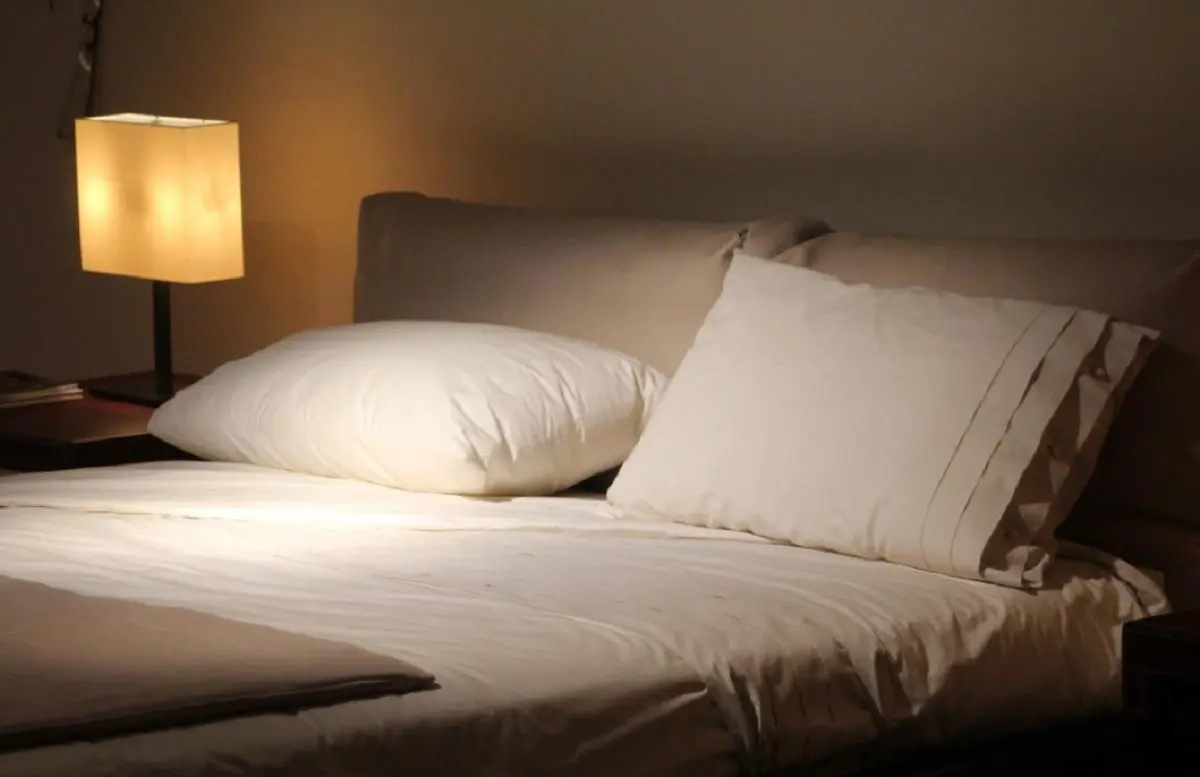
Hotels almost always make up beds with white linens not for aesthetic reasons, but for practical ones: stains are immediately visible on white, and the fabric retains its neat appearance longer, even after frequent washings. This was explained by Jamie Cooperstain, a hospitality industry expert and author of the book *True Hospitality: Lessons Learned from Behind the Concierge Desk*, according to Observator.
According to her, colored bedding can now be found only in private bed-and-breakfast-style guesthouses. Hotel linens are used and washed so intensively that colored fabrics cannot withstand such wear and tear.
“If you use colored sheets, it will become very noticeable after just a few guests check in and out. The sheets will fade and look unattractive. If you use white ones, however, they can look like new even after a year,” notes Cooperstain.
The second argument is hygiene. White fabric allows guests to see for themselves that the room is clean, and if a housekeeper notices a stain on a freshly laundered sheet, she’ll replace it immediately. For the same reasons, towels are usually white as well: they’re ordered in large batches, and a single color eliminates the need to match sets. No rules or industry associations require the color white; it’s an unwritten standard.
Managers at American hotels share a similar view. “The bed in a hotel is the centerpiece of any room, and all attention is focused on it. A bed with fresh, crisp, pure white linens gives guests confidence that the entire room is clean and sanitized,” says Delane McCoy of Coury Hospitality, as reported by Travel + Leisure.
How the Westin Got Rid of Floral Bedspreads
White beds have become the norm relatively recently. The trend was launched by the Westin chain, which introduced the Heavenly Bed with an all-white set in August 1999. Following suit, most American hotel chains—from luxury to budget—abandoned floral bedspreads, on which stains were hard to see, according to ABC News.
After introducing the new beds, cleanliness ratings at Westin rose. “Guests say, ‘If they can keep the bed clean, then the whole room is clean, and the whole hotel is clean,’” emphasizes Westin Senior Vice President Sue Brash.
Before the launch, the brand conducted a survey: 63% of travelers cited quality sleep as the most important hotel service, and 84% noted that a luxurious bed would make a room more appealing. Westin spent over $30 million and installed 52,000 new beds in 39,500 rooms, according to Interiors+Sources.
Hotel-Quality Sleep for Sale
According to Cooperstain, Westin was one of the first to start selling hotel bedding to customers so they could recreate the sleep experience at home. Eventually, mainstream retailers picked up on this idea as well: Macy’s, for example, has been profiting for years from its own Hotel Collection line of bedding, towels, and pillows.