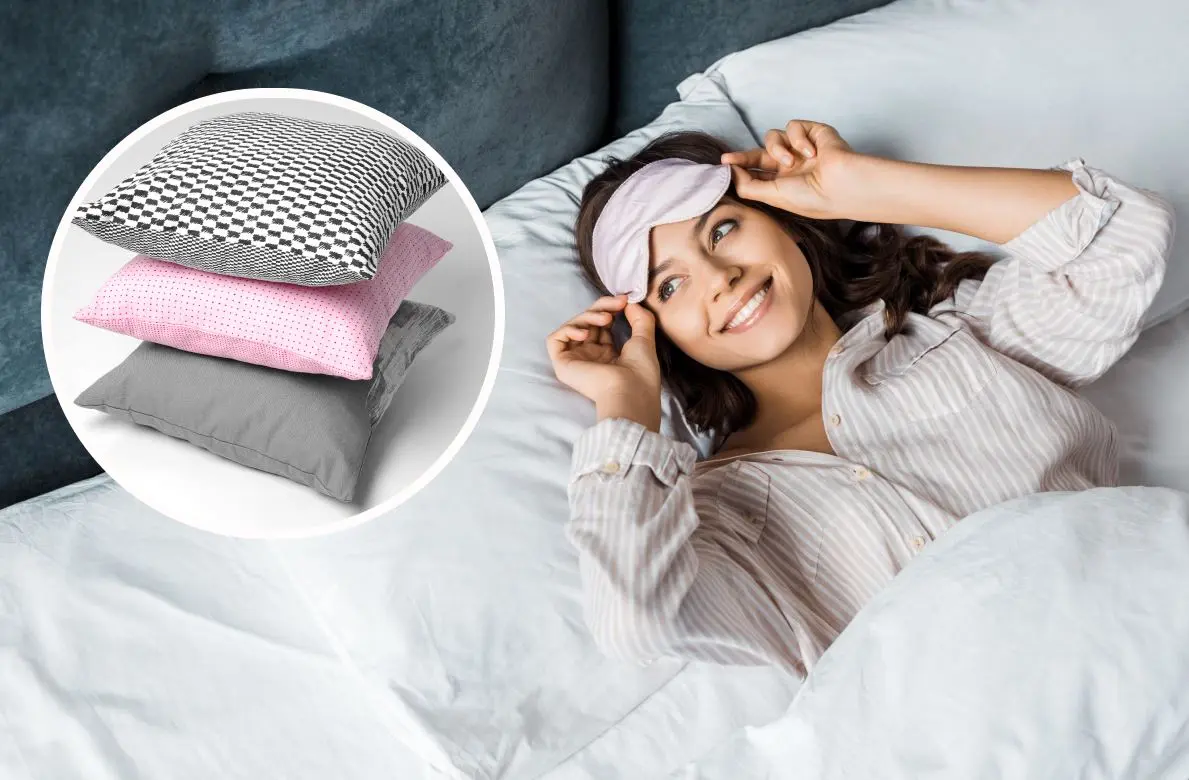
Yellowed white pillowcases can be whitened without chlorine bleach. To do this, soak them overnight in warm water with an enzyme-based laundry detergent, and then wash them with white vinegar. This advice comes from Elizabeth Shields, operations manager at Super Cleaning Service Louisville, a cleaning company in the U.S. state of Kentucky, according to Ziare.
Yellow stains on pillowcases are usually protein-based. Chlorine bleach reacts with proteins, so the stains can set into the fabric and darken. Harsh chemicals also damage the fabric. Yellowing is more noticeable on cotton, and excess detergent doesn’t rinse out well and builds up in the fibers.
The expert’s main tip: act as quickly as possible as soon as the first signs of yellowing appear. As a gentler alternative to chemicals, she recommends a different type of laundry detergent.
“Since most yellow stains are caused by natural skin oils, sweat, and hair products—all of which are organic in nature—an enzyme-based cleaner will remove them,” notes Shields.
After soaking overnight, rinse the pillowcases and wash them in the washing machine on a regular cycle or a heavy-duty cycle with hot water. Finally, the expert suggests two techniques for better results.
“For an extra whitening effect, pour half a glass of white vinegar into the fabric softener compartment. If the fabric is still slightly yellowish after washing, add a very small amount of blue dye to restore its whiteness,” advises Shields.
How to Keep Your Laundry White Longer
Experts cite using too much detergent, washing without pre-soaking, and infrequent washing as common mistakes. They recommend washing bedding weekly or every other week, removing makeup before bed, and washing white items separately from colored ones.
It’s not just the pillowcase that yellows, but the pillow itself: sweat, saliva, wet hair, and overnight makeup seep through the fabric. Over time, dust mites, mold, and bacteria accumulate in such a pillow, which can impair sleep and cause skin rashes. A separate protective cover placed under the pillowcase helps protect the pillow, and the Sleep Foundation recommends replacing the pillow itself once every one to two years.
Marla Mok, president of the cleaning company Molly Maid, recommends washing pillows at least twice a year. If it’s hot and humid outside, if there are people with allergies or pets in the house, or if you eat in bed, you should do this every three months. Memory foam, latex, and gel pillows should not be machine-washed; instead, they should be vacuumed and spot-cleaned with a damp cloth, according to Better Homes & Gardens.