
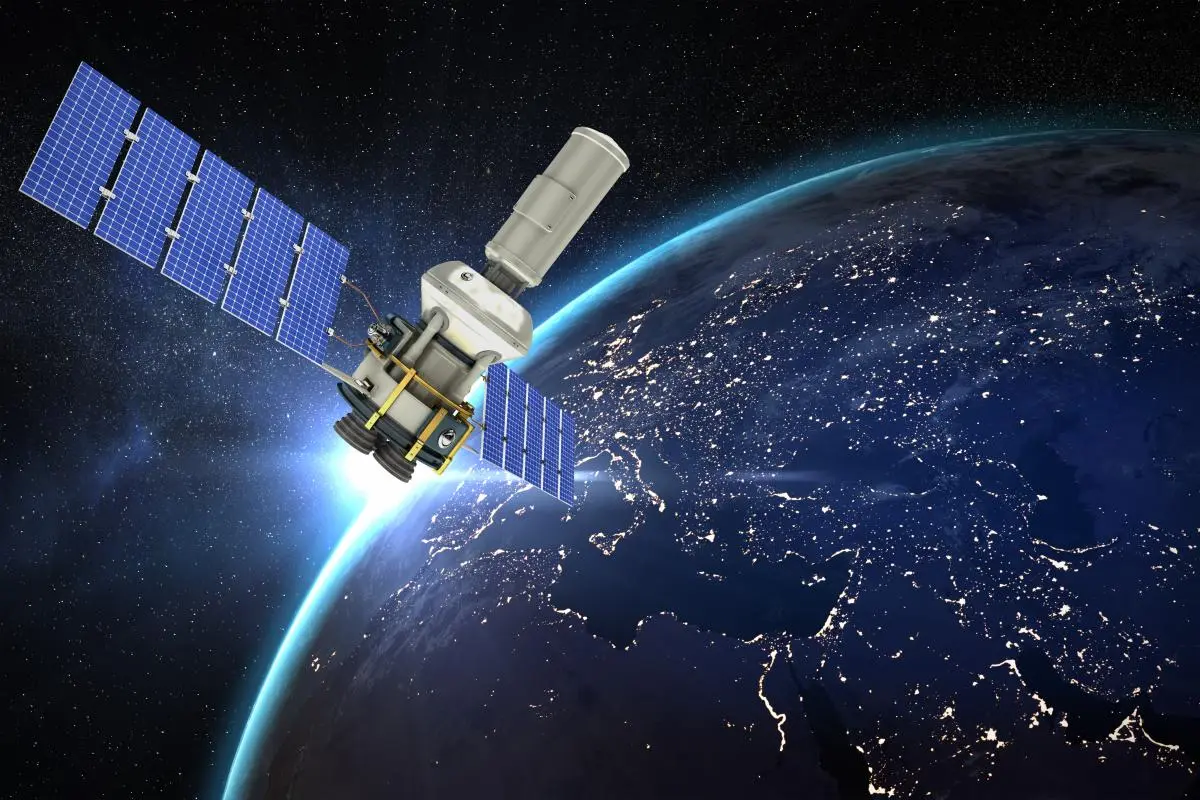
Russia may launch a satellite carrying a nuclear warhead into orbit as early as the end of December; the satellite has been stored at a military facility near Moscow for several years. Western intelligence reports regarding these plans are reliable, and the explosion of such a weapon in space would destroy nearly all satellites in low Earth orbit, said Erin Pobji, a space policy researcher at the International Institute for Strategic Studies in London, according to Cadena SER.
The expert bases her assessment, in particular, on the results of Russian tests conducted several years ago. “This is reliable information. There is evidence that Russia has already measured the effects of radiation using at least one satellite launched in 2022,” Pobji emphasized.
The deployment of such weapons is prohibited by the 1967 Outer Space Treaty, which both the U.S. and Russia have ratified. According to Pobdzhi, Moscow is seeking to further escalate the war against Ukraine and demonstrate its strength against NATO. The Kremlin denies all such allegations.
The area most affected would be the zone up to 2,000 kilometers above Earth, where approximately 17,000 satellites operate—satellites on which the daily lives of people around the world depend. “A thermonuclear explosion in low Earth orbit could disable or destroy more than 98% of satellites within a week. This orbit could remain unusable for a year,” the researcher warns. She adds that the U.S. and its allies could perceive such a move as a prelude to a nuclear strike and respond with a massive counterattack.
Scientists at the University of Wisconsin–Madison, led by Zachary Petersen, reached a similar conclusion. They simulated a 1-megaton explosion at an altitude of 500 kilometers above the South Atlantic. According to their data, the main damage would be caused by electrons captured by the Earth’s magnetic field. These electrons would form an artificial radiation belt, and it would take years to restore the damaged infrastructure, writes New Scientist.
NATO Vows to Defend Orbit as Well
Intelligence reports about a possible launch within the next 60 days of this month have been circulated among NATO countries. According to NDR, WDR, and Süddeutsche Zeitung, the satellite is named “Sputnik-S.” At a press conference in Berlin, NATO Secretary General Mark Rutte assured that NATO has various response options. “We will always ensure that every inch of NATO territory is protected, and that includes guaranteeing our security when it comes to the space domain,” Rutte said, according to the BBC.
German Chancellor Friedrich Merz called such reports “not new, but no less shocking for that.” According to him, they demonstrate the level of escalation that Russia is apparently prepared to pursue. Kremlin spokesman Dmitry Peskov dismissed the reports as “hardly worth taking seriously,” while the Russian Embassy in Berlin called them part of a “propaganda campaign.”
Unlikely, but Devastating
Some experts urge caution in drawing conclusions. Victoria Samson, director of space security at the Secure World Foundation, notes that Moscow could either be preparing actual nuclear weapons or simply replacing the Kosmos 2553 satellite. Starlink, which has proven critical to Ukraine’s defense, could be the motive for such a move. “That’s why I believe the likelihood that they’ll actually do this is very low, because, in my opinion, it would be a major escalation. But this is one of those scenarios with low probability and high stakes,” says Samson, according to Scientific American.