
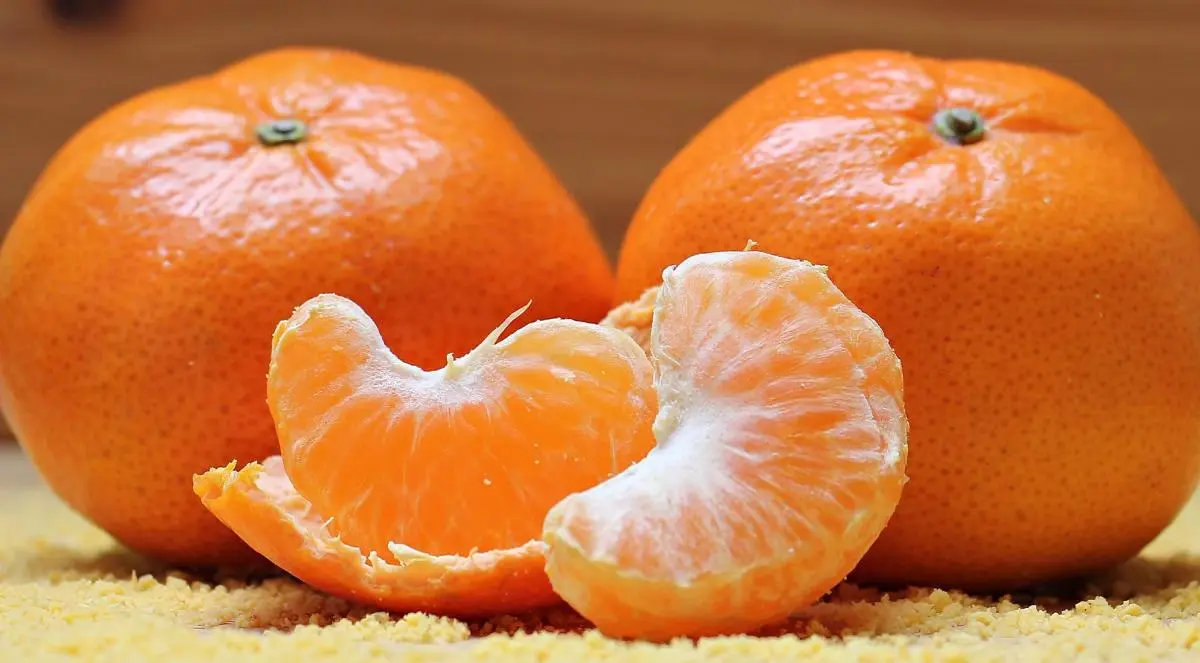
When choosing mandarins at the supermarket, it’s a good idea to hold two fruits of the same size in your hands, check the texture of the skin, and pay attention to the variety name rather than the color or packaging. These three tips will help you avoid dry and tasteless fruit, according to Blick.
The heavier of two mandarins of the same size usually contains more juice, while a fruit that’s too light is likely to be dried out. Therefore, a small but heavy mandarin may turn out to be juicier than a large and attractive-looking one. However, weight says nothing about sweetness: a juicy fruit can still be sour.
The peel should be intact, free of mold, wet spots, and damage. If you gently squeeze the fruit with your fingers, it should feel firm but give slightly. Excessively soft spots, oozing liquid, or an unpleasant odor indicate that you should avoid that mandarin. When buying fruit in a mesh bag, be sure to inspect the rest of the fruit in the package as well.
Australian fruit vendor and chef Thanh Truong uses a similar method. In his opinion, the softness of the peel is a much less reliable indicator of how the fruit will taste.
“My technique for choosing a great mandarin is the same as for oranges: take two mandarins of similar shape and size and weigh them both in your non-dominant hand. The heavier one will have more juice and be less dry,” Truong says in an interview with ABC News.
Variety matters more than price
For those who don’t like seeds, satsumas are a good choice: they’re usually seedless or have just a few seeds, are sweet, low in acidity, and easy to peel. Clementines are often sweet and fragrant, but they aren’t always seedless. The Nadorcott variety, also known as Afourer, has a very rich, sweet, fruity flavor and is generally low in seeds.
Neither a higher price nor attractive packaging guarantees sweet and juicy fruit. Sour mandarins won’t become sweeter if left on a windowsill, since citrus fruits accumulate almost no sugar after being harvested. You can add these fruits to a fruit salad, a pie, or a sauce—for example, to chicken.
Cold Keeps Them Fresh
It’s best to store mandarins in a cool place with good air circulation, without keeping them in a sealed bag for too long. You should sort through the fruit regularly and remove any that have started to spoil to protect the rest.
Truong himself recommends keeping mandarins in the refrigerator rather than in a bowl in the sun.
“They keep for about a week—not as long as oranges, because the peel is much thinner and more permeable,” the vendor warns.
Scientists also confirm the benefits of cold storage. A study of the Indian Khasi variety showed that at room temperature, these mandarins last only 1–2 weeks, whereas cooling them to 4°C for six weeks better preserved the soluble solids content and the sugar-to-acid ratio in the juice. In addition, the authors note that farmers often rely on the color of the fruit rather than its physiological ripeness, according to Taylor & Francis Online.