Drivers who spend about ten minutes preparing their cars the evening before the first snowfall can hit the road in the morning without having to spend a long time clearing the windows. Most of these steps, tried and tested by drivers in the U.S. and Canada, cost nothing or very little, and some of them are recommended by AAA, the largest American auto club, according to Kertészkedj.hu.
The simplest thing to do is to lift the windshield wiper blades so the rubber doesn’t freeze to the glass. If you turn on frozen blades, the rubber may tear, and the motor will be subjected to excessive strain. The frame of the wiper blades should be treated with silicone spray, and the rubber edge should be wiped down with a cloth dampened with silicone. Do not apply the spray directly to the windshield itself.
AAA says the most effective way to prevent scratching is to cover the windshield with a special cover or an old blanket held in place by the wiper blades. If possible, park the car with the front facing east or southeast so that the morning sun can partially melt the frost. Silicone will also help prevent the door locks and hood latch from freezing.
Tire Pressure, Fuel, and Battery
According to the AAA, for every 5.6 °C drop in temperature, tire pressure drops by about 0.07 bar, so at −5 °C, it can be 0.3 bar lower than on a fall day at +20 °C. The correct pressure is indicated on the sticker on the driver’s door frame, not on the sidewall of the tire. It is recommended to keep the gas tank at least half full: this reduces the risk of condensation and allows you to stay warm if the car gets stuck in traffic.
If the car won’t start in the morning, the battery is usually to blame. According to an AAA expert, at −18 °C even a good battery can lose up to half its capacity. You should keep an ice scraper, a brush, jumper cables, a shovel, warm clothing, a blanket, water, and food in the trunk. Do not pour hot water on the windshield, as the sudden temperature change could cause it to crack.
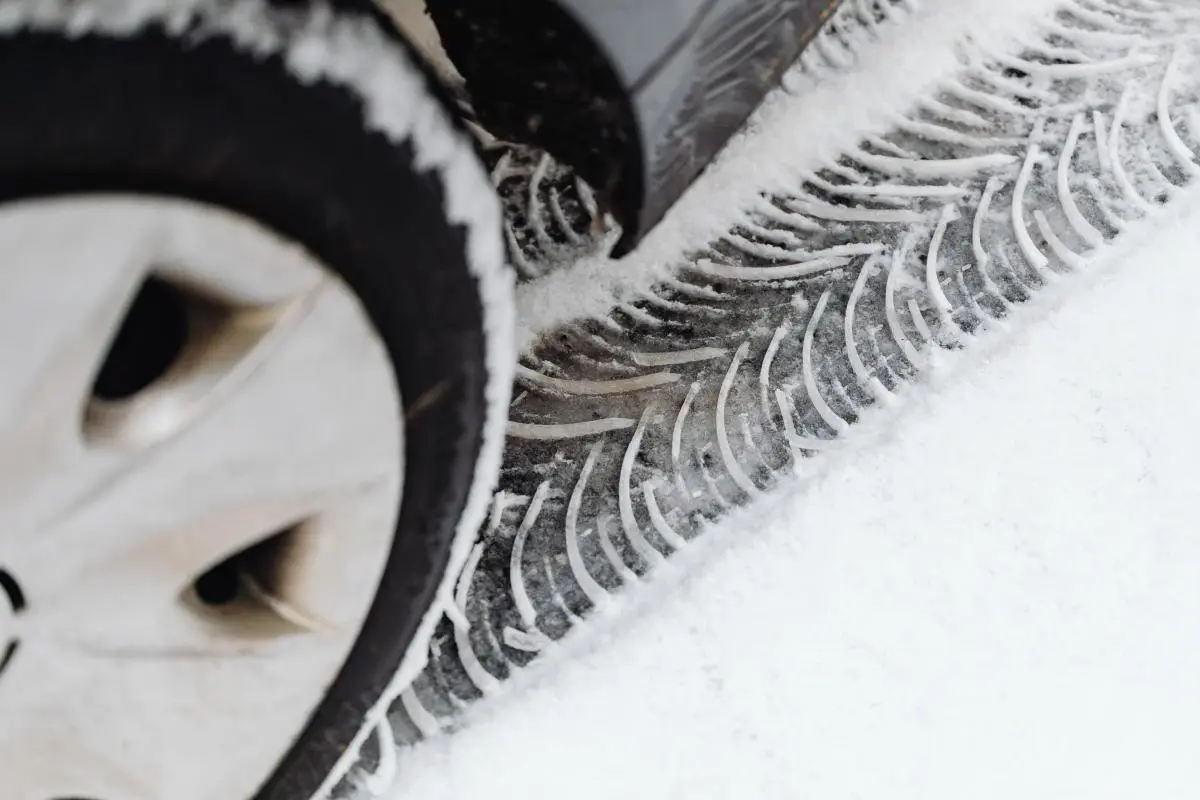
Canadian mechanic Nelson Ponte of Certified Auto Repair advises checking the battery in advance and cleaning its terminals, as well as making sure you have winter tires. It’s best to install them when the temperature drops below 7 °C and before the first snowfall, according to CBC.
The habit of letting the engine warm up for a long time in winter, according to the mechanic, is mostly just for comfort.
“Newer cars don’t actually need to be warmed up. However, my rule of thumb is: let the car idle for 30 seconds before driving off,” notes Ponte.