
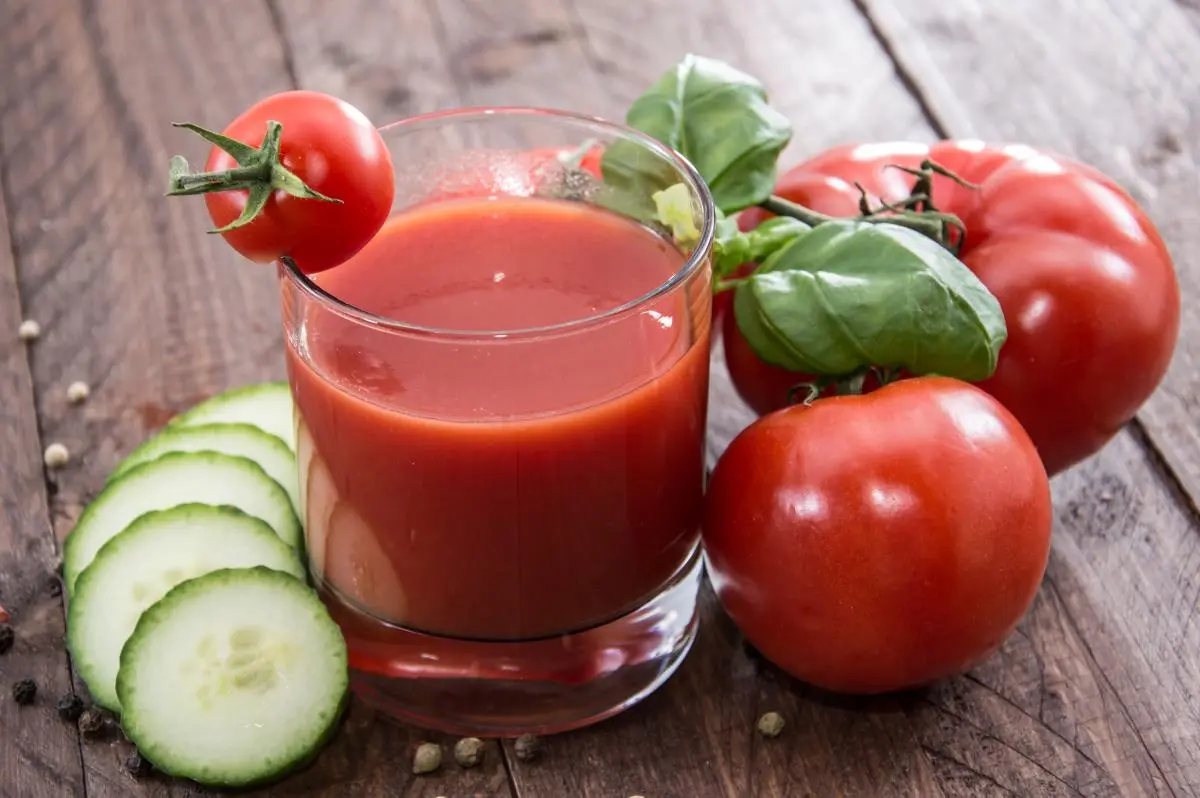
Neither tomato juice nor pomegranate juice has a clear advantage in lowering blood pressure. Both beverages can be beneficial as part of a heart-healthy diet; however, regular tomato juice often contains a lot of sodium, while pomegranate juice contains a lot of sugar. Neither is a substitute for prescribed medications, according to Verywell Health.
The publication cites two research reviews. According to a 2021 review, tomato- and lycopene-containing foods lowered systolic (“upper”) blood pressure by an average of 6 mmHg, but had almost no effect on diastolic blood pressure. A 2024 review showed that pomegranate-based products lowered systolic blood pressure by approximately 8 mmHg and diastolic blood pressure by 3 mmHg. In both cases, a stronger effect was observed in people with hypertension, although the quality of the studies varied significantly.
There are no direct comparisons between the two juices, but the evidence in favor of pomegranate juice appears somewhat more convincing. According to available data, 150–300 ml of this juice daily lowers systolic blood pressure by about 5–7 points, but this effect was observed for only about two months, writes Health.
The evidence base for tomato juice is much more limited, notes preventive cardiologist Kaustubh Dabhadkar. At the same time, tomato extract in higher doses may yield some results, and nutritionist Rachel Gargano attributes this to the main red pigment in tomatoes.
“Lycopene, a powerful antioxidant, works by helping to protect the cells that line our blood vessels,” Gargano noted.
The Pitfalls of Salt and Sugar
A glass of regular canned tomato juice (about 240 ml) contains approximately 654 mg of sodium, while the unsalted version contains only 24 mg. The American Heart Association recommends limiting sodium intake to 2,300 mg per day, and ideally to 1,500 mg. Thus, a single glass of regular juice can account for one-quarter to one-half of the daily limit. Pomegranate juice, on the other hand, contains about 32 g of sugar per serving, which is nearly four times as much as in tomato juice.
Dabhadkar warns that pomegranate juice may interact with certain medications, particularly blood pressure medications, so it’s important to discuss this with your doctor. He advises caution for people with diabetes or prediabetes, as well as those watching their weight.
“It’s often better to eat your calories than to drink them. The fiber in fruits and vegetables slows the absorption of sugar, helping the body better manage the sugar load,” the cardiologist says.
A Japanese study supports the benefits of unsalted tomato juice: 481 residents of Kuriyama drank it without restriction for a year, mostly about 200 ml per day. Among 94 participants with untreated prehypertension or hypertension, systolic blood pressure decreased on average from 141.2 to 137.0 mm Hg, and diastolic pressure from 83.3 to 80.9 mmHg. In addition, participants with abnormal lipid metabolism experienced a reduction in levels of “bad” LDL cholesterol, according to a publication on PMC.