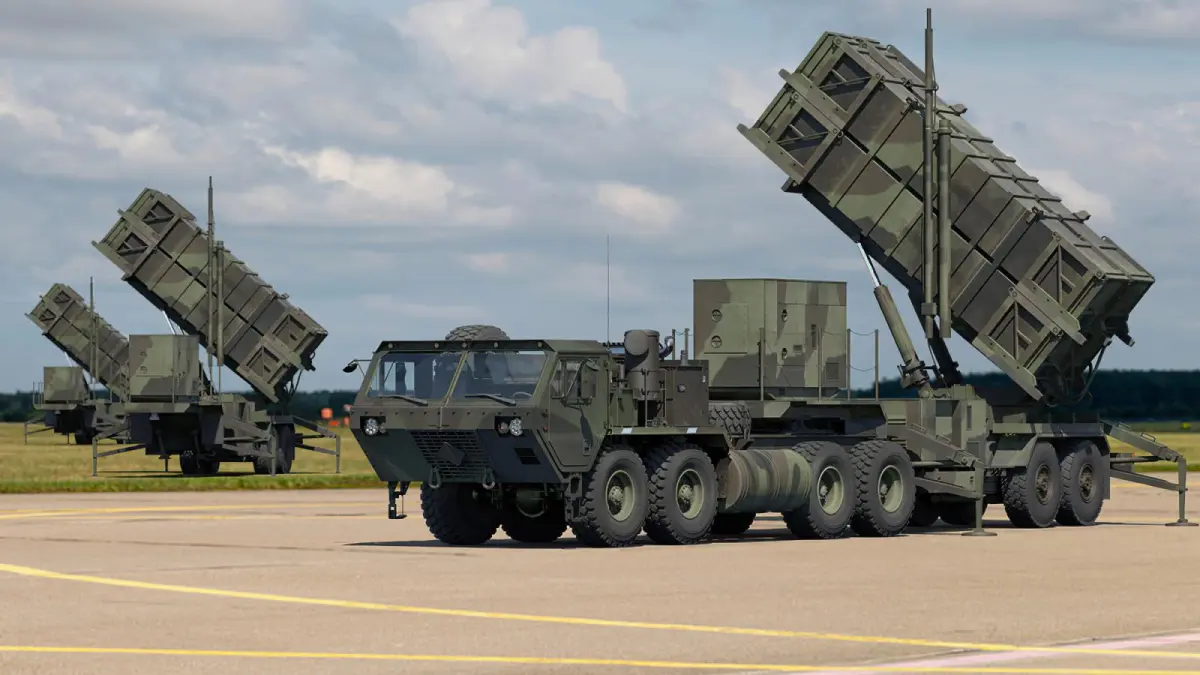
The Ukrainian military has learned to use Patriot air defense missile systems with unprecedented effectiveness, while consuming a minimum amount of ammunition. This has allowed them to conserve resources that were previously expended during operations in the Middle East. Thanks to a change in deployment tactics—specifically, the shift toward using the systems as “loitering” platforms—Ukrainian forces are able to strike enemy targets and quickly change positions, according to TSN.
Efficiency vs. Excessive Expenditure
Unlike the practice observed during combat operations in the Middle East, where an entire salvo of interceptors was sometimes fired at a single target, the Ukrainian strategy calls for using one missile per target. Such efficiency is crucial when the country faces massive ballistic missile attacks and PAC-3 interceptor stocks remain limited.
“The Ukrainian experience is being studied. Look at how much the tactics for using the same Patriot system have changed. For example, the Patriot can be used not as a stationary system—as the Americans deploy it at airfields or bases—but rather, so to speak, as a ‘roaming’ system: set up an ambush, shoot down five aircraft, and return unscathed,” noted Yuriy Ignat, head of the Communications Department of the Air Force Command of the Armed Forces of Ukraine (AFU).
Global Shortage and the Pentagon’s Position
The issue of missile supplies for the Patriot system remains a topic of debate in Washington, where officials are concerned about the state of their own stockpiles amid global challenges. Although the U.S. Department of Defense insists it is ready to carry out any missions, experts point to a prolonged shortage that has worsened due to the need to support Ukraine and active combat operations in other regions, according to The War Zone.
“We were already experiencing a shortage back in 2021. The numerous redeployments of Patriot interceptors from one theater of operations to another to address the latest identified threats are like playing ‘whack-a-mole.’ The costs associated with production lead times, now combined with the situation in Ukraine, have exacerbated this problem,” said retired U.S. Army Colonel David Schenk.
Despite complex logistics and limited production capacity, the U.S. administration has confirmed its intention to continue supplying defensive weapons to protect Ukraine’s airspace. Efforts are currently focused on finding additional sources of supply, including negotiations with European partners regarding the procurement of new batteries and ramping up the production of Lockheed Martin missiles.