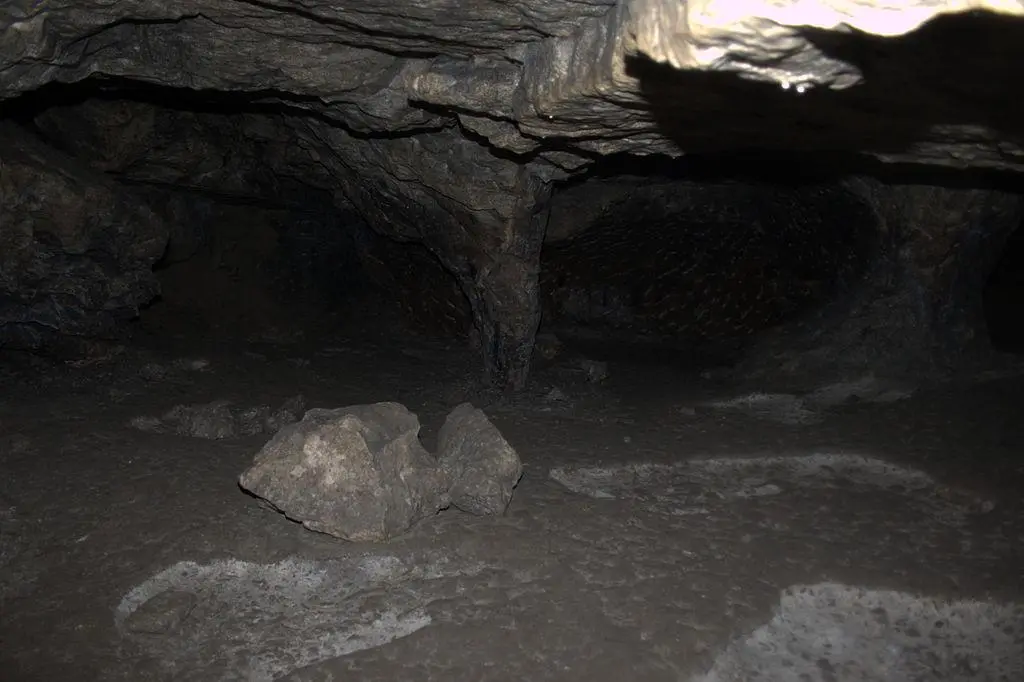
In the Australian town of Coober Pedy, located in the state of South Australia, some residents and local businesses have moved underground to escape the desert heat. Underground homes, shops, hotels, casinos, and even a church have transformed the former mining town into a popular tourist attraction, according to WP Tech.
Coober Pedy is home to about 2,500 people, and 60% of them live in dwellings carved out of sandstone and siltstone. In the summer, the air here heats up to 52 °C, and in the winter, nighttime temperatures drop to 2–3 °C. The underground dwellings must be dug at least four meters deep to prevent the ceiling from collapsing. At that depth, the temperature remains around 23 °C year-round, according to the BBC.
Life Without Air Conditioning
Money plays an important role. The city generates electricity, 70% of which comes from wind and solar power, but climate control systems in above-ground homes are too expensive.
“To live above ground, you pay a fortune for heating and cooling, when temperatures often exceed 50 °C in the summer,” says local resident Jason Wright, owner of the underground campground Riba’s.
Underground housing is also affordable: at a recent auction, an average three-bedroom home sold for about 40,000 Australian dollars, while in the nearest major city, Adelaide, the average price reaches 700,000. The rock here is so soft that you can scratch it with your fingernail, and, according to Wright, it takes less than a month with an excavator to build a home.
Scientists explain why people stay comfortable under a layer of soil even on the hottest days. The temperature inside such homes ranges from 19 to 25 °C, even though it can reach 40 °C outside.
“When a building is covered with earth or located underground, you essentially have an infinite thermal mass. This means that conditions inside remain extremely stable—they hardly change at all,” notes Stephen Berry of the University of South Australia. At the same time, he warns that in many other places, different soil types and groundwater make it difficult to build underground, according to ABC News.
A Town Born of Opals
Coober Pedy, known as the opal capital of the world, was founded in 1915 when 14-year-old Willie Hutchison discovered the first opals there. Today, the town’s economy is sustained by tourists and amateur miners, and the residents themselves are convinced that their underground lifestyle is their greatest advantage.
“It’s really very different and special because it maintains a pleasant, constant temperature. You don’t have to turn on the air conditioner all summer,” says town resident Claire Halkias, according to ABC News.