
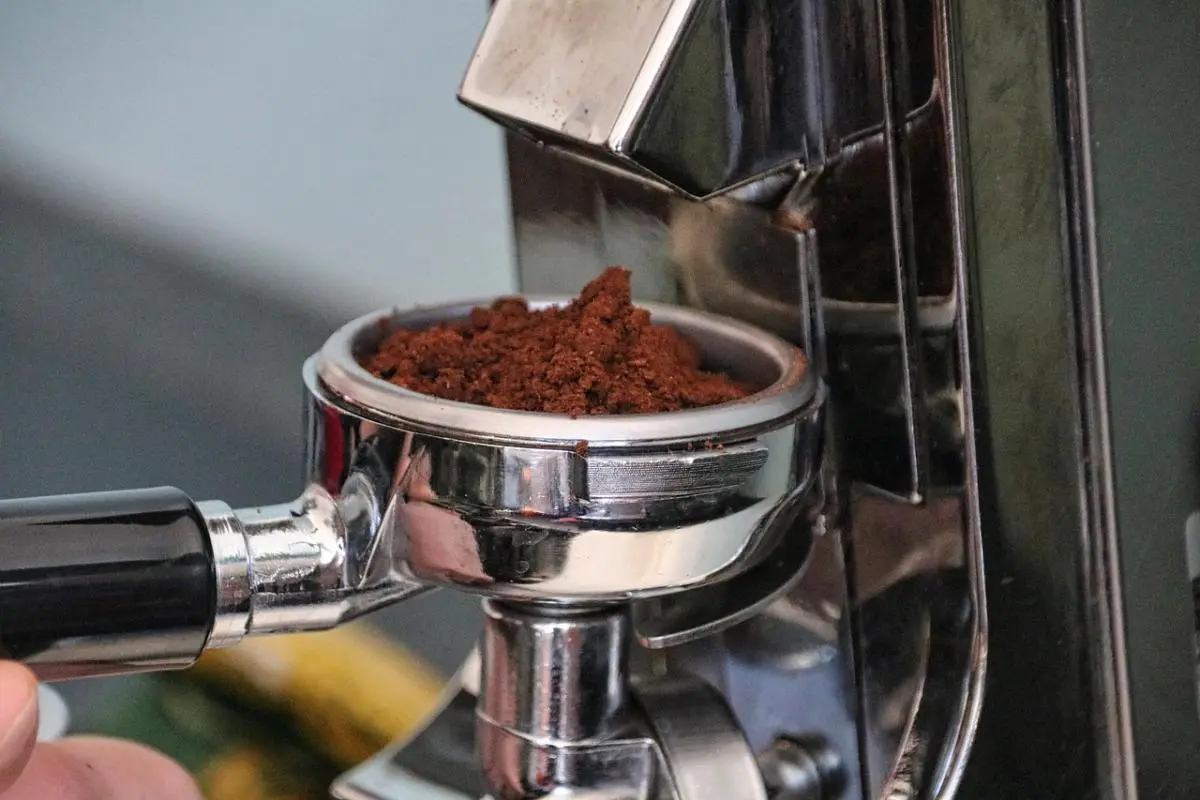
The use of recycled coffee grounds increases the strength of concrete by 30 percent, opening up new possibilities for sustainable construction and reducing the amount of organic waste in landfills. Researchers at RMIT University in Australia have developed a technology to convert used coffee grounds into biochar, which replaces some of the sand in concrete mixes, according to ScienceAlert.
Pyrolysis and Material Strengthening Technology
Every year, approximately 10 billion kilograms of coffee waste are generated worldwide, which releases methane and carbon dioxide as it decomposes in landfills. Adding raw coffee grounds directly to concrete is not possible because they release chemicals that weaken the material’s structure. To solve this problem, scientists used a pyrolysis method, heating the waste to 350 °C in the absence of oxygen, which results in the formation of a porous carbon material—biochar, according to the RMIT Research Repository.
“Adding biochar can make concrete stronger because it has a porous structure that retains moisture. This can prevent the concrete from drying out from the inside and the formation of microcracks, which can weaken its structure,” explains engineer Rajiv Roichand.
Practical Implementation and Environmental Prospects
By replacing 15% of the sand with coffee-based biochar, the strength of the concrete blocks was increased by 29%. In addition to improving physical properties, this approach reduces the extraction of natural sand, whose reserves are limited, according to New Scientist.
In 2024, the technology was successfully tested in real-world conditions: pedestrian walkways were built using coffee concrete in the state of Victoria (Australia). The project at the Pakenham Roads Upgrade site made it possible to recycle approximately 140,000 servings of coffee grounds and save more than 3 metric tons of sand. Currently, the development team is working to assess the material’s durability under freeze-thaw cycles and is seeking partners to commercialize the technology.