
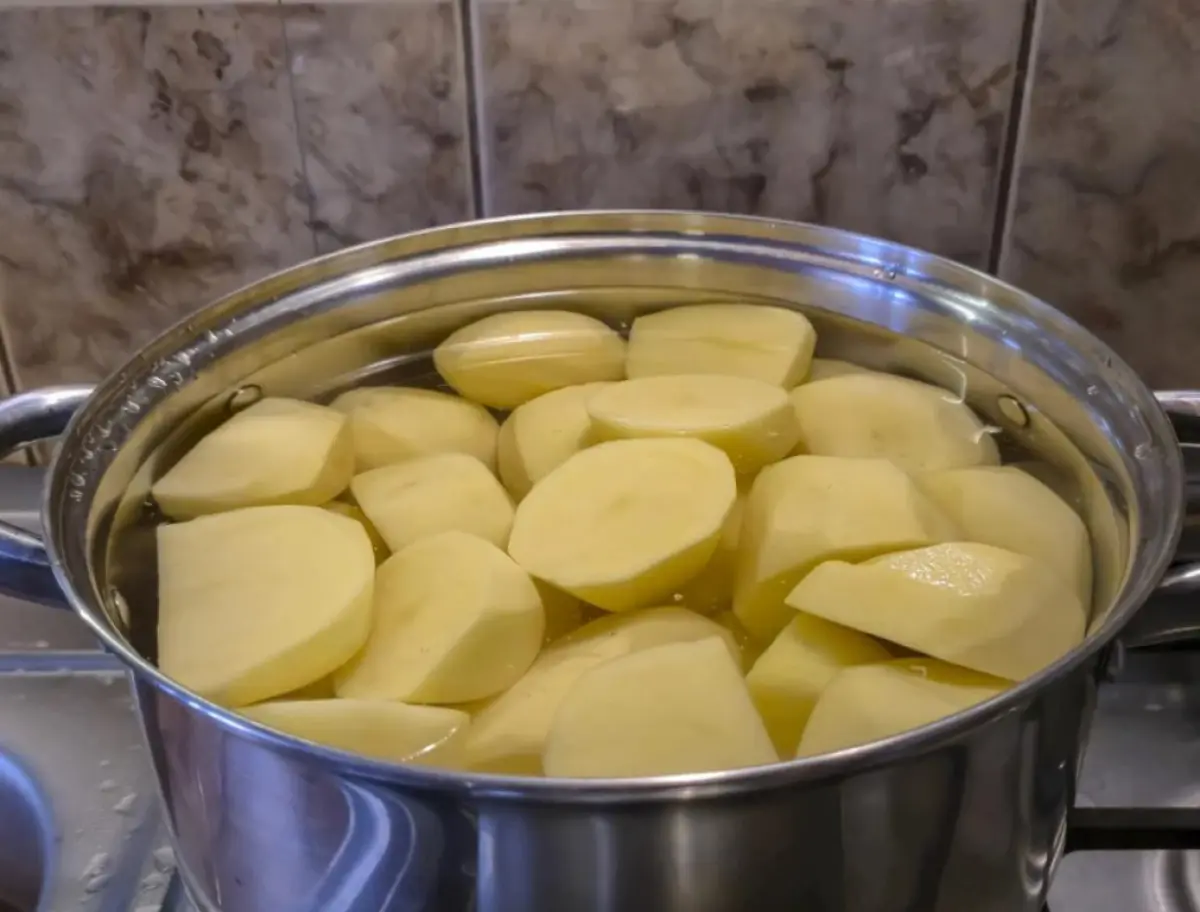
It’s healthier to eat boiled potatoes not immediately after cooking, but 24 hours later after they’ve been refrigerated: during this time, some of their starch is converted into resistant starch, which nourishes the gut microbiota and reduces spikes in blood glucose levels. Nutritionist Manuel Vizo shared this on Instagram, according to El Español.
According to Viso, the starch in freshly cooked potatoes is easily absorbed and broken down into glucose, which enters the bloodstream. As the potato cools, its structure changes, so the small intestine does not fully digest this portion, and it passes into the large intestine, where it serves as food for bacteria.
“Resistant starch is an excellent prebiotic for your gut flora, for your microbiome,” Vizo emphasizes.
Another benefit relates to blood sugar levels: carbohydrates are absorbed more slowly, and the post-meal blood sugar spike is less pronounced. “This is very important for everyone in general and for people with diabetes in particular,” notes the dietitian. At the same time, this approach is not a substitute for medical advice or diabetes management.
Resistant starch acts similarly to fiber and keeps you feeling full longer, although this doesn’t make potatoes low in calories. Rice and pasta that have been cooled after cooking have the same effect. After being stored in the refrigerator, the dish can be eaten cold or reheated: some of the resistant starch is retained.
What the Studies Showed
This effect was confirmed by a 2019 randomized study involving 30 women with elevated fasting glucose and insulin levels. The participants ate 250 g each of boiled or baked and then cooled potatoes. After eating the cooled potatoes, glucose levels were 4.8% and 9.2% lower at 15 and 30 minutes, respectively, while insulin levels were 25.8% and 22.6% lower. The researchers found no differences in overall feelings of fullness, according to PubMed.
How to Refrigerate Safely
Dietitian Julie Pace recommends storing cooked starchy foods in the refrigerator at a temperature of up to 4 °C for 12–24 hours and consuming them within three to four days. Before doing so, the food should be spread out in a shallow container in a layer no more than 5 cm thick and allowed to cool for 15–30 minutes. Reheating does not destroy resistant starch in most cases, although its content may decrease slightly in Russet potatoes, according to Vogue.
“Never leave cooked food at room temperature for more than two hours, as harmful bacteria can multiply quickly,” Pace warns.
Scientists at the University of Surrey in the United Kingdom are currently investigating whether resistant starch is preserved after reheating. They are also testing whether adding butter or vegetable oil to potatoes can increase its content, according to McGill University.