
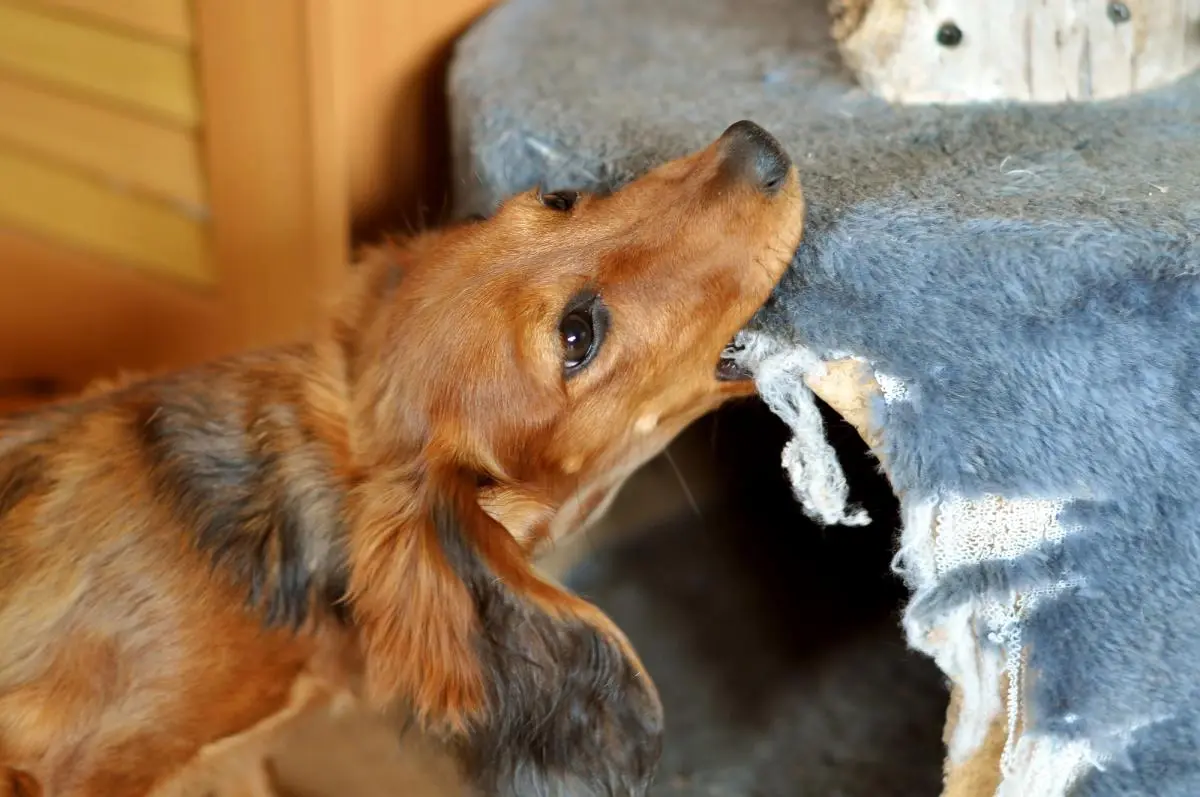
A healthy adult dog can be left home alone for no more than six to eight hours, but most dogs spend much more time away from their owners. The restrictions are even stricter for puppies, according to ofeminin.
This limit covers not only working hours but also all the time the owner is away from home. Some veterinarians advise sticking to the lower end of this range.
“Adult dogs can usually go six to eight hours between walks, but I recommend not leaving them alone for more than six hours,” says veterinarian Jennifer Fryer in an interview with Newsweek.
Puppies—only an hour or two
According to the American Kennel Club’s guidelines, a puppy younger than ten weeks should not be left alone for more than an hour. At 10–12 weeks, the maximum is two hours; at three months, three hours; and at four months, four hours. Only after six months can a dog gradually get used to being alone for six to eight hours, provided it handles separation well. Veterinarian Nicole Savaggio adds that puppies sometimes need to be taken outside every hour or two.
Anxiety isn’t always obvious
The absence of chewed-up items and complaints from neighbors doesn’t necessarily mean the dog is handling being alone just fine. Signs of separation anxiety, such as pacing in circles or excessive drooling, are easy to miss, so experts recommend recording your dog’s behavior on video. Most symptoms appear within the first 40 minutes after the owner leaves. The ASPCA recommends gradually acclimating the animal to separation, starting with just a few seconds.
Veterinary behaviorist Vint Virga advises giving your dog at least two hours of interaction with people or other animals every day, and this time can be broken up into several sessions. If the owner is away for more than six to eight hours, a dog sitter, a daycare center, or a neighbor who can come by to walk the dog can help, according to the American Kennel Club.
“Spending the entire day alone is too much for a dog. Dogs are very social animals,” Virga emphasizes.
The risk of problem behavior also increases when the owner’s daily routine changes drastically. British researchers studied 1,807 dogs during the COVID-19 pandemic in 2020. By October, 9.9% of the dogs had developed new signs of separation anxiety, and those at the highest risk were the ones whose time spent alone during the lockdown had decreased the most, according to the study published in PubMed Central.