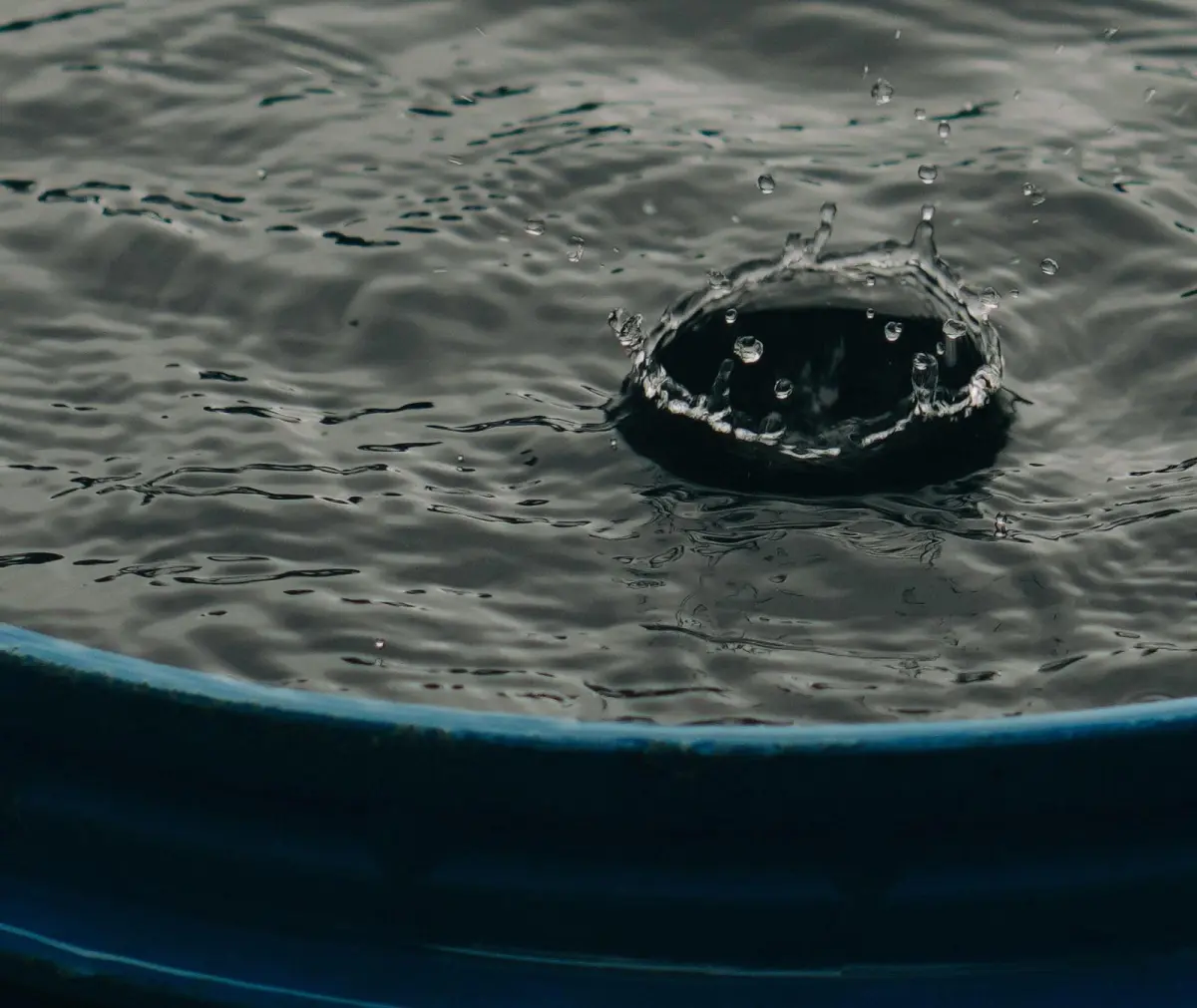
A plastic rainwater barrel can crack in the winter if water remains inside: as it freezes, it expands and puts pressure on the sides. The safest approach is to completely drain the water before the cold weather sets in; if that’s not possible, place several PET plastic bottles in the barrel to absorb some of the pressure from the ice, according to Deccoria.
Before severe frosts, it is recommended to disconnect and empty garden hoses, open or remove the drain valve, and check that no water remains in the connections. Any water left in the pipe or faucet can also freeze and cause parts to burst. It’s best to move an empty barrel to the garage or basement.
For the bottle trick, use only intact bottles, fill them about one-third full with water, and screw the caps on tightly. Place them in the barrel so that they are submerged in the water or floating on the surface. Neither the barrel nor the bottles should be filled completely, otherwise the protective effect will be significantly reduced.
Additionally, you can wrap the barrel in bubble wrap, an old blanket, or cardboard, insulate the bottom, and cover it with a lid. In winter, inspect the barrel regularly: if any bulges appear, drain the water.
The Force That Breaks Plastic
Unlike most liquids, water expands by about 9% in volume when it freezes. This is enough to split a wooden or plastic barrel, especially if it’s full. Even if the container survives, the ice may remain inside it all winter. Experts at Pennsylvania State University recommend disconnecting the barrel from the drain before the first severe frosts, when temperatures remain below -2°C for an extended period, according to Penn State Extension.
Markus Seifried, a product manager at the German tank manufacturer GRAF, is skeptical about the idea of leaving even a small amount of water in the barrel. According to him, only 2–3 centimeters of water should remain, and the water level should under no circumstances reach the drain valve. The “freeze-resistant” label used by some manufacturers refers only to the tank’s material, not its ability to withstand frozen water.
“A large amount of water freezing inside a container would have a certain explosive force, similar to a sealed bottle of water—it’s simple physics,” Zayfried emphasizes. The expert is convinced: “There is no solution on the market that could withstand water turning into ice and expanding over a long period of time,” notes GRAF.
According to the specialist, the only truly frost-resistant option is an underground tank buried 60–80 centimeters below the frost line. Water can remain in it all winter, but the pipes must also run through a frost-free zone.