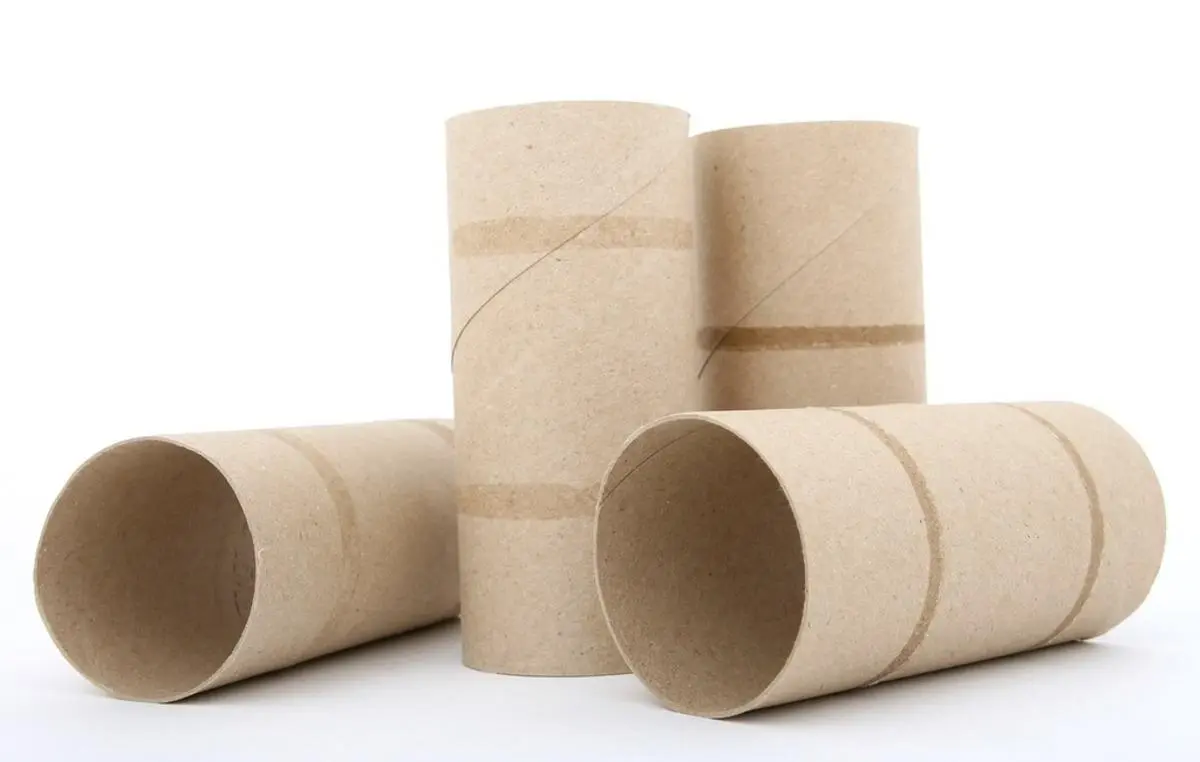
Toilet paper cardboard tubes, which usually end up in the trash, have become an effective tool for fall garden maintenance and preparing for the next season. Using this household material allows gardeners not only to control weeds and protect plants from frost, but also to save money on professional gardening tools, according to Blikk.

Methods for Weed Control and Protection Against the Cold

To suppress the growth of unwanted vegetation, cut the tubes lengthwise and spread them out to form a continuous layer on the soil surface. This cardboard barrier gradually decomposes, enriching the soil and preventing weeds from sprouting. In addition, during the first frosts, the cut-open tubes can be used as an additional insulating layer around the root system, which helps retain heat, although this does not replace proper winter protection for sensitive crops. “It’s important to remember that when using cardboard tubes in the garden, you should choose only plain, unbleached ones and avoid those with colored printing, as chemical dyes can harm the soil and plants,” notes The Spruce.

Growing Seedlings and Composting

Cardboard tubes also make convenient containers for sowing seeds. Thanks to the material’s biodegradability, young plants can be planted directly into the ground in their “pots,” which minimizes damage to the root system during transplanting. It’s important to make sure the edges of the cardboard don’t protrude above the soil surface, as they can act as a wick, drawing moisture out of the soil. A gardening expert known online as Isha highlights the benefits of this approach for root development and environmental sustainability: “Today I’ll show you three ideas for how to use cardboard rolls in your garden. First, they make excellent seedling pots: they’re thin, so they decompose naturally within a few months. Instead of removing the plants and repotting them, you simply place them in a larger pot or directly into the ground, which minimizes root disturbance,” notes Green Matters. For those who make their own compost, the tubes are a valuable source of carbon. They can be added to the compost pile, where they are quickly broken down by organisms—particularly worms—into high-quality humus. Alternative seed-germination methods, such as using peat pots, plastic trays, or homemade paper containers, also remain popular; but cardboard tubes remain one of the most accessible options for recycling at home, according to Iowa State University.