Before the ground freezes, gardeners should complete four tasks: plant trees and shrubs with bare roots, sow green manure crops, protect fruit trees from pests, and make use of fallen leaves. Whether these tasks are completed before the first frosts will determine the condition of the garden next season, according to Interia.
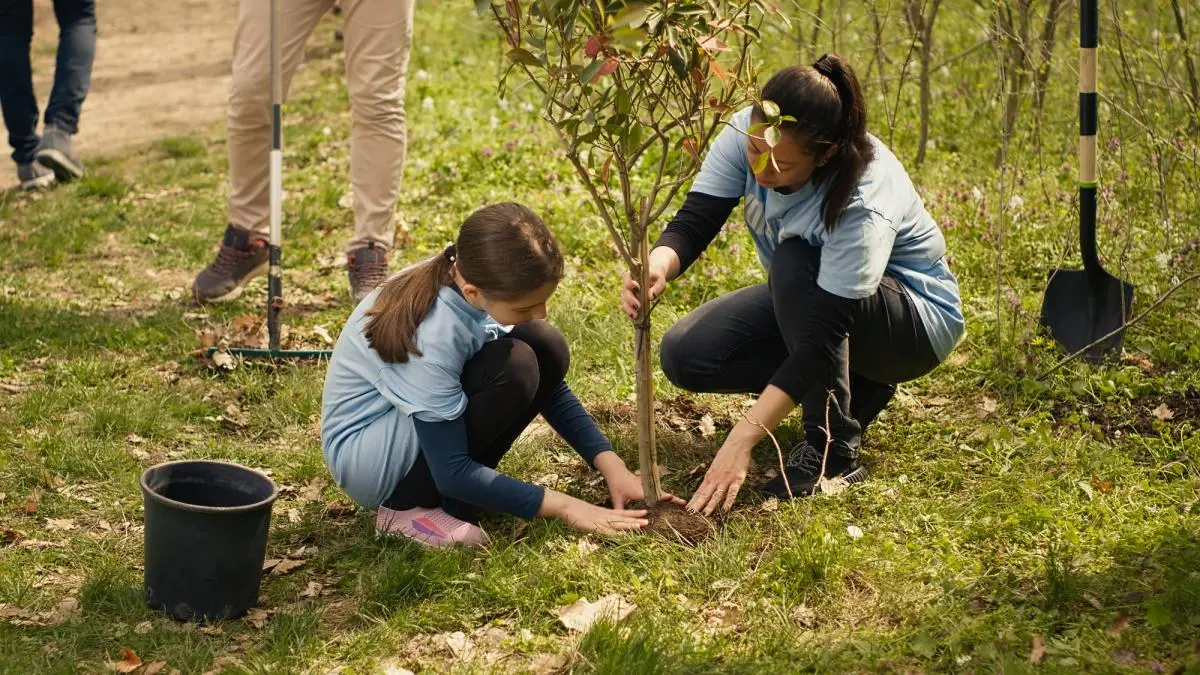
Bare-root seedlings are best planted after the leaves have fallen, when the plants enter dormancy. The still-warm soil and autumn rainfall help them take root before the severe frosts set in. Before planting, trim off any damaged or rotten roots; soak dried-out roots in water for a few hours; and water the seedling generously after planting. Frost-sensitive varieties are best planted in the spring.
Beds left empty after harvest should not be left bare over the winter. They can be sown with white mustard, oil radish, phacelia, or—if it is already late in the season—winter vetch mixed with rye. Vetch fixes nitrogen thanks to nodule-forming bacteria, while cold-tolerant rye covers the soil surface. In the spring, the green manure crops are mowed and left as mulch or tilled into the topsoil.
Legume cover crops can accumulate 40 to 200 pounds of nitrogen per acre, and typically about half of that nitrogen is available to the subsequent crop. Farmers often plant a mixture of rye and clover or vetch in the fall, notes NCAT.
Sticky bands and “mummies” on branches
It is recommended to apply sticky traps to the trunks of fruit trees. These traps intercept female winter moth caterpillars, which crawl into the canopy in the fall to lay eggs. In the spring, the caterpillars damage leaves, buds, and fruit set. The band should fit snugly against the bark; it must be checked regularly and replaced in a timely manner.
Rotten fruit should also be removed from under the trees, and dried-out, mold-covered “mummies” should be removed from the branches, as they can be a source of fungal diseases. Infected leaves should not be thrown into regular compost. Healthy leaves should be shredded and composted along with grass clippings or used as mulch, leaving a clear space around the trunks. A thick, wet layer of leaves on the lawn can harm the grass.
Mulching Before or After Frost
The Spruce investigated whether it’s important to time mulching correctly. The experts interviewed concluded that it all depends on the age of the plants. For holly, rhododendrons, and boxwood, early mulching helps retain moisture.
“Newly planted trees, shrubs, and perennials, as well as broadleaf evergreens, benefit from having a warm winter bed before they go dormant. For established plants, a cooler bed is perfectly fine,” says Alec Meyer, general manager of Lakeview Nurseries.
For established plants, the expert advises waiting for a few frosts. This reduces freeze-thaw cycles, which can cause plants to be pushed out of the soil.
“Mulching after a few frosts allows the soil to cool naturally before adding a layer of insulation,” Mayer emphasizes.