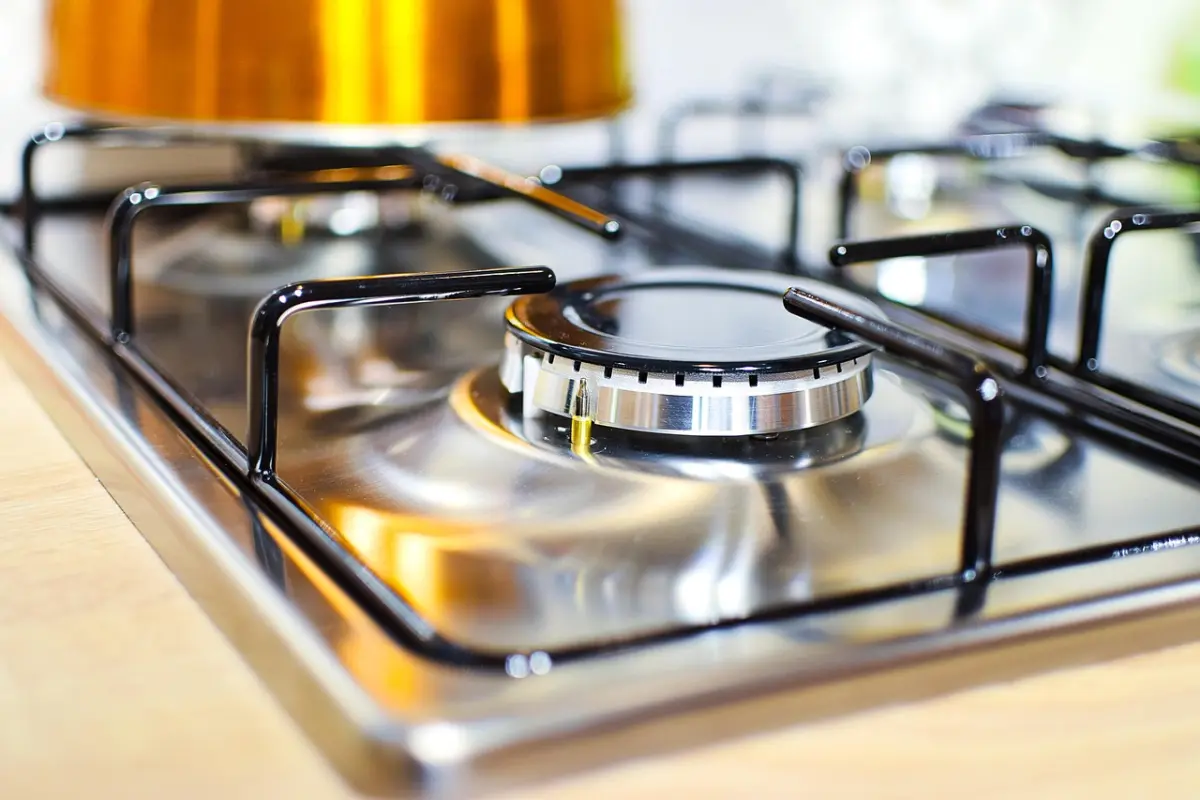
Regular cooking oil and paper towels can clean the burners and grates of a gas stove of grease and carbon buildup in 15 minutes without scrubbing. This so-called Japanese method is becoming increasingly popular online, according to Super Express.
Rub the cheapest cooking oil into the dirty burners using an old sponge. Cover them with paper towels dampened with warm water and let them sit for about 15 minutes. Afterward, rinse the cast-iron parts under running water.
The effect is explained by chemistry. Fats, like other greasy deposits and carbon buildup, are nonpolar compounds. Oil, as a nonpolar solvent, penetrates the structure of the grime, softening it, so that the dirt comes off without intense scrubbing.
The Dangers of Clogged Burners
Grease and carbon deposits clog the gas ports, causing the stove to burn more gas and food to take longer to cook. Clean vents reduce the risk of incomplete gas combustion, which can lead to emissions of harmful substances such as formaldehyde, nitrogen dioxide, and carbon monoxide. According to data from the Polish Central Statistical Office (GUS), 86% of households in Poland have gas stoves or cooktops.
Appliance manufacturer Whirlpool notes that a yellow or orange flame may indicate clogged burner ports. Do not use oven cleaners, bleach, rust removers, or wooden toothpicks for cleaning. They recommend carefully cleaning clogged burner holes with a pin, needle, or thin wire. Whirlpool recommends wiping down the stove after each use and giving it a more thorough cleaning about once a week.
What You Mustn’t Overlook After Cleaning
Experts interviewed by Ideal Home warn against using abrasive cleaners, steel wool, and knives, as they can scratch the surface. AO.com expert Jay Lockton adds that a small amount of cooking oil applied with a cloth helps restore the shine to the black burner rings.
The most damage to the stove can occur during the final stage of cleaning if you rush to turn it on.
“Always wipe down the burners and pot supports thoroughly. Water droplets or damp spots on the stove at the start of cooking can damage the enamel. Also, after cleaning and drying the burners, make sure their covers are properly secured to the burner grates,” emphasizes Lucy Baxter, marketing manager for the Bosch Group.