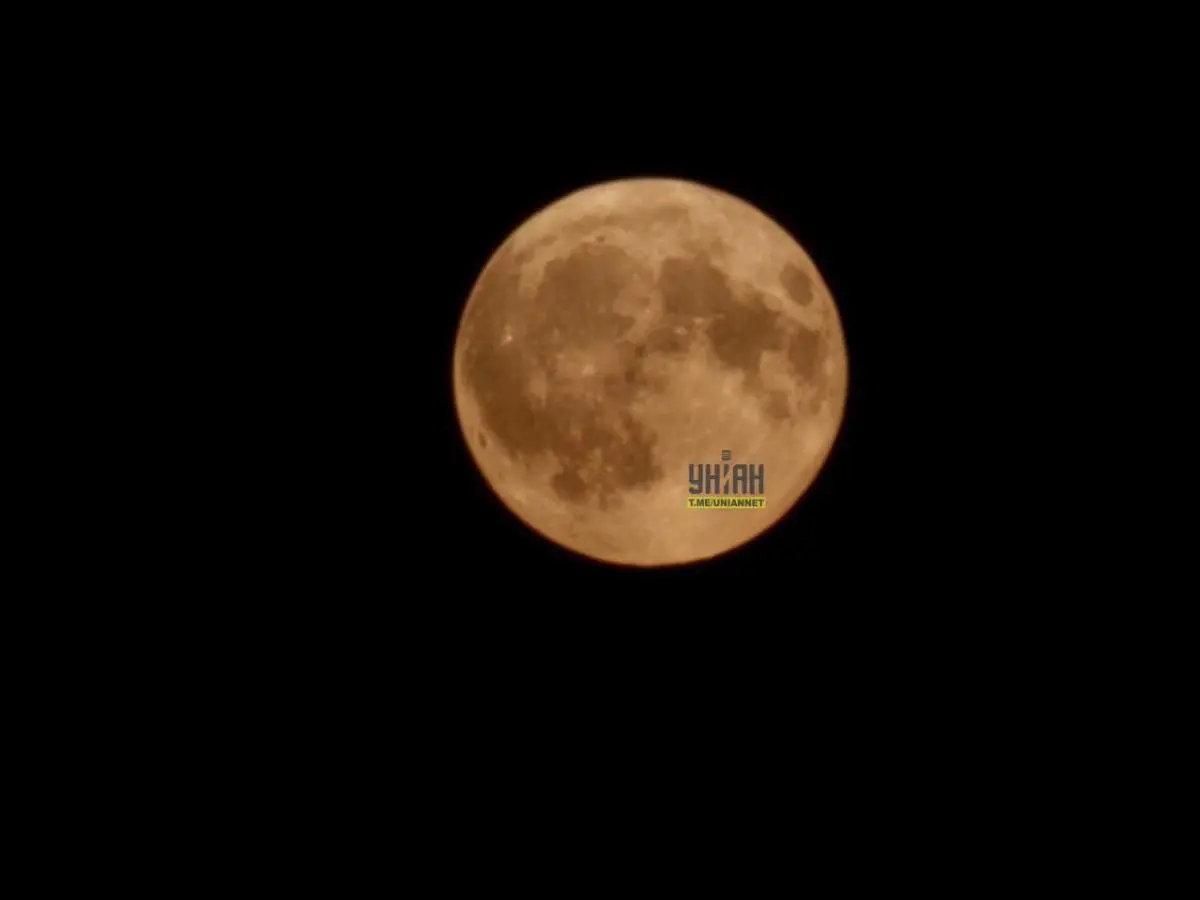
The full moon on November 24, which will occur in the sign of Gemini, rarely passes quietly. According to astrologers, long-delayed conversations take place on this night, and the answer that people have been waiting for weeks finally arrives, reports Bien.hu.
The publication notes that, from an astronomical perspective, this is merely a play of light and shadow. However, astrologers are convinced that it is precisely during such periods that half-formed thoughts—ones a person has been carrying inside for several days—come to the surface.
Aries can expect a work-related response they’ve been waiting for several weeks. It may not come in the form they were expecting. A brief but candid conversation with a colleague, according to the forecast, will reveal more about their situation than all their previous guesses.
For Taurus, the forecast suggests that their financial situation will become clearer: a bill, an overdue payment, or a long-postponed decision will be on the agenda. Astrologers advise not to be alarmed by this. On the contrary, they promise relief from no longer having to avoid the issue.
What Scientists Say About the Full Moon
Researchers at the University of Basel in Switzerland have found compelling evidence that the quality of nighttime rest deteriorates noticeably during a full moon. The results were published in the scientific journal *Current Biology*, according to *The Philadelphia Inquirer*.
According to the publication, the effect persists even when a person is tucked under the covers and the windows are closed and tightly curtained. The participants in the experiment were unaware of the moon’s current phase.
“The lunar cycle appears to affect human sleep even when a person cannot ‘see’ the Moon and does not know what phase it is in,” noted study lead Christian Kaiohen of the Psychiatric Clinic at the University of Basel.
During the full moon, the deep sleep of volunteers connected to an electroencephalograph was reduced by 30 percent. It took them five minutes longer to fall asleep, and the total duration of their nightly sleep decreased by 20 minutes. Participants also subjectively rated their sleep as worse. In addition, their levels of melatonin—the hormone that regulates sleep-wake cycles—decreased.