
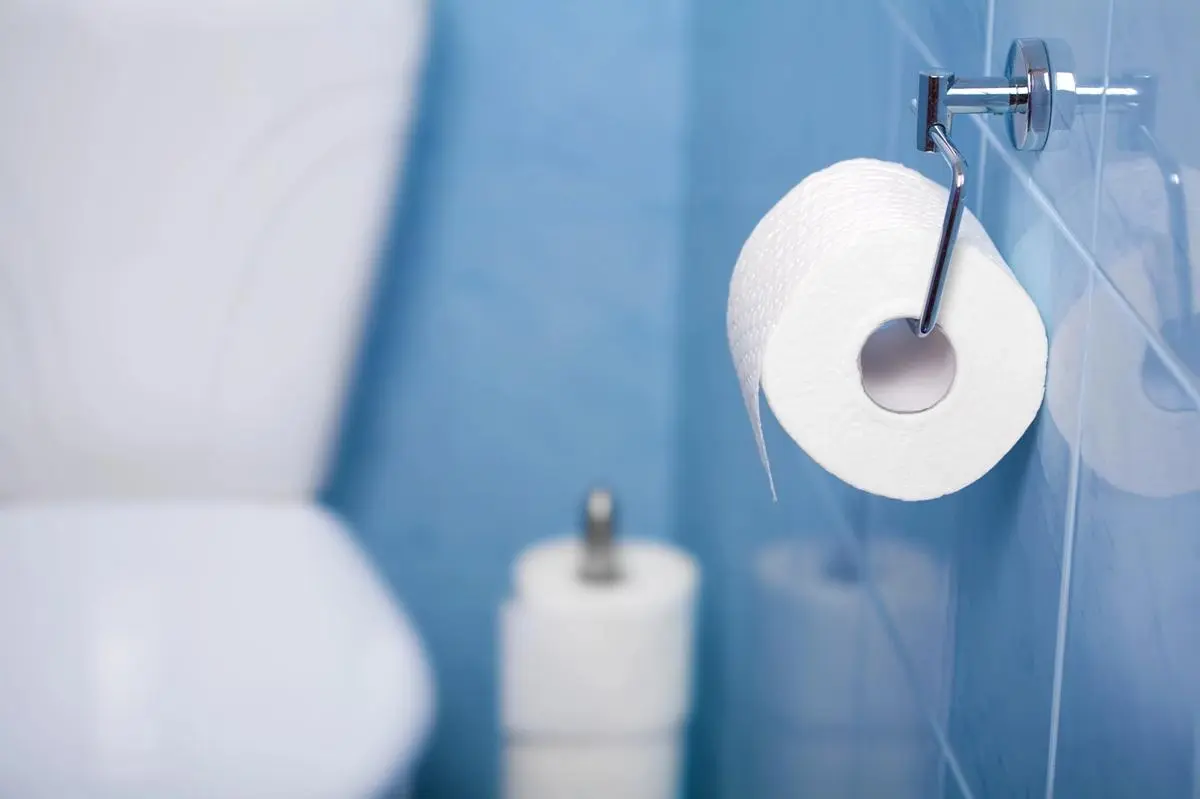
Bidet toilet seats with warm water, a dryer, and a heated seat are replacing toilet paper in American bathrooms. The technology, which for years has been associated with Japanese homes and luxury hotels, is becoming mainstream, and more and more households in the U.S. have almost stopped buying toilet paper rolls, according to The Coolist.
The numbers confirm this trend. According to the 2024 Houzz Bathroom Trend Report, cited by The Philadelphia Inquirer, more than two out of five homeowners chose toilets with special features during renovations, and bidet seats topped that list. One of the most well-known American brands, TUSHY, claims to have sold about 2.5 million bidets since 2015.
We’re not talking about the classic freestanding bidet next to the toilet, but rather the so-called “washlet.” It is installed in place of a regular toilet seat and connects to the water supply under the tank. After use, a small nozzle extends, and the temperature, pressure, and direction of the spray can be adjusted. Electric models are additionally equipped with a warm-air dryer, a heated seat, a self-cleaning nozzle, and some even come with a remote control.
Users typically cite three reasons for making the switch. Water cleans more thoroughly than dry toilet paper and is gentler on irritated skin. You need significantly less toilet paper: in most cases, one or two sheets are enough to dry your skin, and with a model that has a dryer, you can do without it entirely. Plus, it’s less likely to clog the drain. The third reason is comfort: a heated seat on a cold winter morning convinces skeptics better than any arguments about hygiene.
The turning point came during the 2020 shortage: that’s when many Americans tried these devices for the first time and never went back to their old ways.
“Toilet paper won’t disappear overnight, but in an increasing number of homes, it has become a backup option rather than the mainstay,” conclude the authors of The Coolist.
From $30 to several thousand dollars
Prices vary significantly. The simplest non-electric attachments, which mount under an existing toilet seat, cost between $30 and $50. Electric bidet seats with warm water and a dryer will set you back several hundred dollars, while fully integrated “smart” toilets cost thousands.
Attachments and seats can usually be installed on your own: remove the old seat, install a T-shaped valve on the water supply line, and screw on the new one. Before buying, it’s important to determine the shape of your toilet—round or elongated—and measure the available space. Electric models require a grounded outlet near the toilet, which many bathrooms lack, and you should have an electrician install it.
Limitations to Be Aware Of
A bidet seat doesn’t eliminate the need for cleaning: the nozzle and the seat itself should be disinfected regularly. This is especially true in areas with hard water, where limescale clogs the spray holes.
Some users find the strong water pressure uncomfortable, so it’s recommended to start with the lowest setting. The rest of the toilet will still need to be cleaned as usual.