
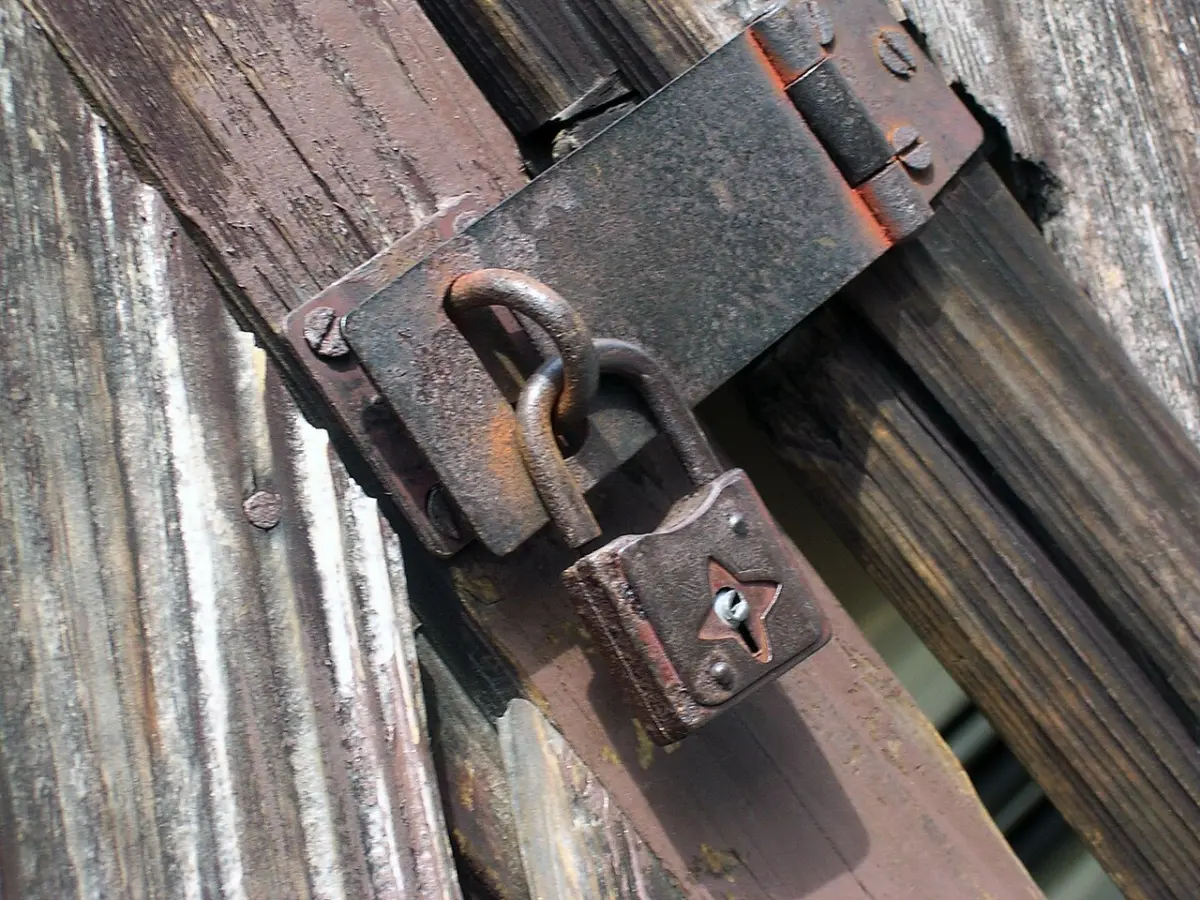
The small hole at the bottom of the padlock, located separately from the keyhole, is neither a second keyhole nor a manufacturing defect. It is a drainage hole through which water that has gotten inside the body can drain out. This prevents rust and corrosion of the mechanism’s parts, explains industrial supplier Monroe Engineering, according to The Coolist.
Padlocks are usually hung outdoors: on gates, sheds, gym lockers, or bike chains. Rain, snow, and humid air seep into the keyhole, and with no way out, water would pool around the small parts that are essential to the lock’s operation.
“Moisture will drain out through the small hole, while minimizing the risk of rust and corrosion,” Monroe Engineering notes.
The hole serves two additional purposes. It allows a drop of lubricant to be applied to the lock body if the moving parts begin to jam. Depending on the model, a locksmith can also open the lock by inserting a special tool into this hole.
However, the drain only allows water to escape; it does not prevent water from entering the lock. It works best when the bottom of the lock is facing the ground. You should not seal the hole with tape or glue, nor should you neglect regular maintenance because of it.
How to Care for a Lock
Master Lock warns that over time, dust, small particles, and chemicals in the air accumulate inside the lock and cause friction in its precision mechanisms. The company recommends cleaning and lubricating locks every 3–6 months, and every three months in very dusty or harsh environments. Dust should be blown out of the keyway and shackle holes with compressed air, according to Master Lock.
For lubrication, the manufacturer recommends PTFE lubricant, which should be applied sparingly to the keyway and shackle. Then, tap the lock gently on a table, open and close it several times with the key, wipe off any excess, and let it dry. Regular lubrication also reduces the risk of the lock freezing during the cold season.
“NEVER use dry graphite or silicone lubricant,” Master Lock emphasizes. They explain that graphite is often applied in excessive amounts, which hinders the movement of the parts.
Two Holes Instead of One
Some locks designed for harsh conditions feature a more advanced drainage system. Specifically, the Medeco Protector II has channels on the right and left sides inside the housing that draw moisture away from the mechanism, while two drainage holes at the bottom allow it to escape. This prevents water from accumulating, freezing, and causing corrosion of the cylinder. Other manufacturers, such as Assa, instead install weather seals on their locks to keep water from entering, according to Locksmith Ledger.