
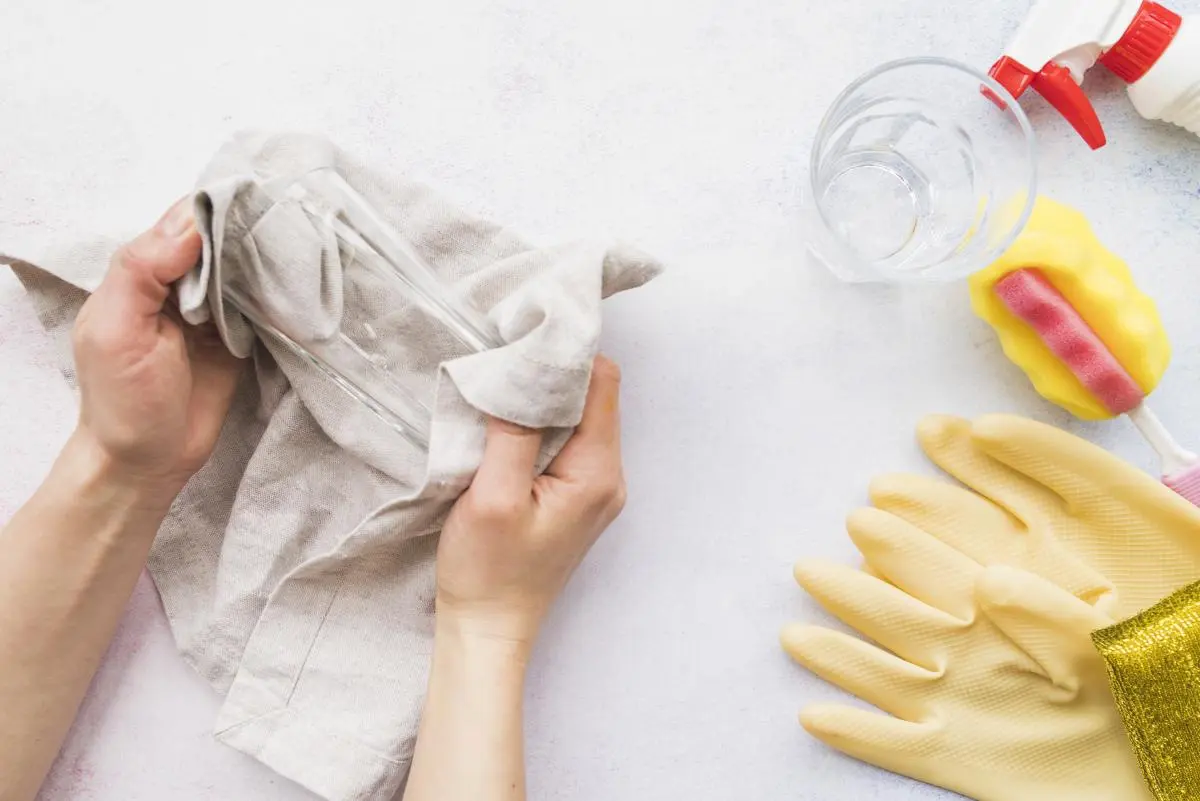
Don't put kitchen towels in the wash right away: first, boil them on the stove, and only then put them in the washing machine. This advice comes from home cleaning expert Alejandra Docampo, known online as @anakedhouse, according to The Coolist.
The blogger recommends filling a pot with water, adding natural soap and lemon juice, and once it comes to a boil, submerging the towels for 10–15 minutes. The water may darken—this means the fibers are releasing dirt. Next, wash the towels in the washing machine on a regular cycle at a temperature of about 40°C and, if possible, air-dry them outdoors.
According to the author of this method, boiling the towels first helps remove odors, grease, and food residue that a regular wash might not get rid of. Hot water softens the stains, soap cleans them, and lemon neutralizes odors.
“Don’t even think about putting dirty kitchen towels in the washing machine; it’s better to boil them in lemon juice and natural soap,” Docampo emphasizes.
However, this is her personal method, not a proven protocol: there are no exact proportions for the soap and lemon. The method is suitable only for cotton, linen, and cellulose napkins. Handle the pot and hot towels with care.
What’s Hiding in the Fibers
Researchers at the University of Mauritius collected 100 kitchen towels after a month of use and found bacteria on 49% of them. Among the contaminated samples, coliform bacteria accounted for 36.7%, enterococci for another 36.7%, and Staphylococcus aureus for 14.3%. The highest number of microbes was found on damp towels and those used to wipe dishes, hands, and surfaces at the same time, according to ScienceDaily.
“Damp towels and the multipurpose use of kitchen towels should be avoided. Large families with children and elderly people should be especially vigilant about kitchen hygiene,” noted the study’s lead author, Sushila Biranjiya-Khurdoyal.
Change them daily and don’t rely solely on soap
Martin Bucknage, a food safety expert at Pennsylvania State University, advises changing kitchen towels at least once a day. Even a towel that appears clean can become a source of germs after just a few hours near the sink.
“The number of bacteria can double roughly every twenty minutes, so it doesn’t take long to go from one organism to a million—per square inch,” Bucknage warns.
For laundry, the expert recommends hot water and chlorine bleach. He notes that heavily soiled items aren’t always completely cleaned by regular detergent alone.
“Without it, a certain amount of bacteria may remain. If you put something that’s really heavily soiled in the washing machine, soap alone won’t always be enough,” the expert says.