
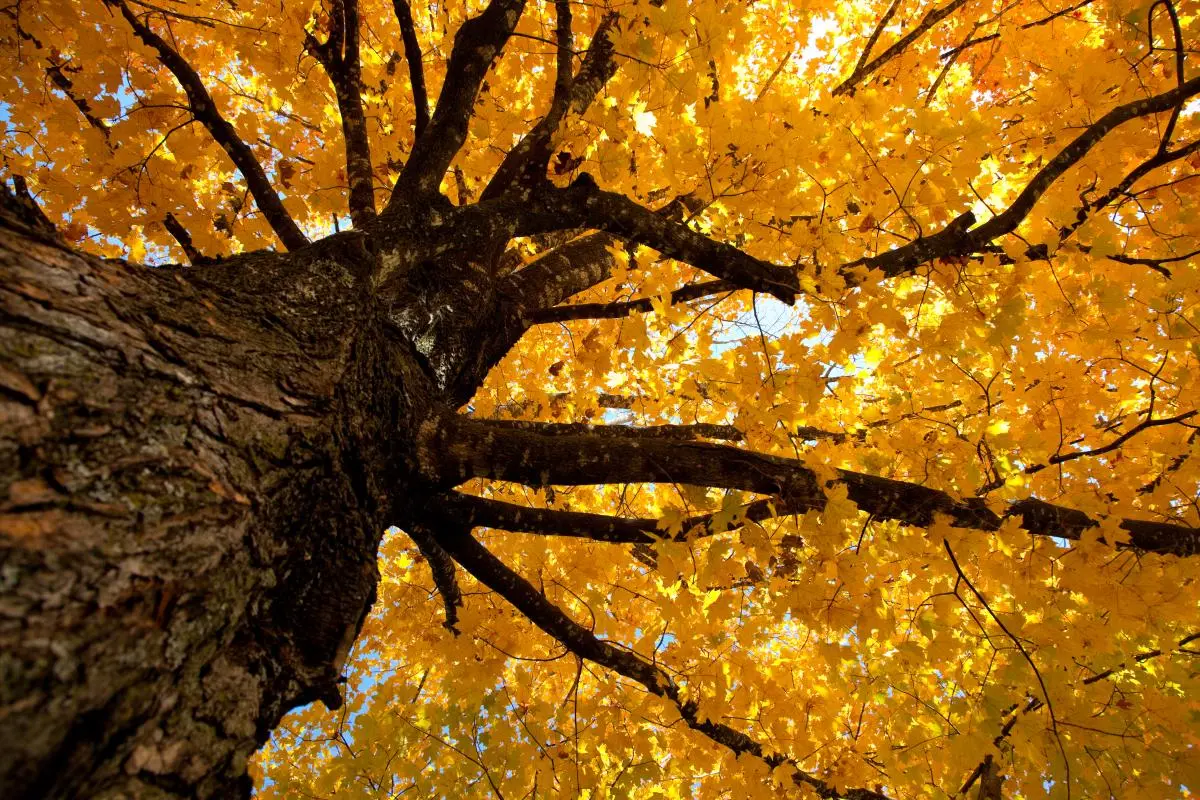
Disease, cracks in the trunk, damage from severe weather, or a sudden lean may indicate that a tree is dangerous; however, none of these defects on its own means that the tree needs to be cut down. The final decision should be made by a certified arborist after a risk assessment, according to Martha Stewart.
Michael Black, president of Seattle Tree Care, advises striking a balance between preserving healthy trees and ensuring the safety of people and property. He notes that many trees are capable of containing rot within the trunk and continuing to grow for decades.
“Removing a tree should generally be considered a last resort,” Black emphasizes.
Jennifer Milbrandt, a certified arborist from Strongsville, Ohio, urges people not to rely on their own judgment and to consult a professional.
“They assess the likelihood of the tree falling, identify potential targets, and predict the consequences if the tree does fall. It’s better to be safe than sorry!” advises Milbrandt.
Diseases, Cracks, and Hurricanes
Many tree diseases can be treated if detected early, so regular inspections are very important. However, if a disease has led to extensive rot, serious structural defects, irreversible wilting, or significant root damage, removal may be the safest option, Black notes. He cites the following as warning signs: large areas of dead branches, rapid thinning of the crown, premature leaf drop, fungi on the trunk or near its base, oozing cankers, and widespread bark peeling.
Vertical cracks, splitting, large hollows, and areas where the trunk appears to be spreading apart indicate trunk weakness. Milbrandt adds bark peeling and soil heaving at the base of the tree to this list.
A tree damaged by severe weather must be inspected by a specialist, as the risk of a second break increases after the first one. Fresh cracks may appear after storms or heavy snowfall and ice.
A lean in itself is not yet a threat: trees often stretch toward the light and, over time, strengthen themselves with what is known as reaction wood. Only a sudden or new tilt should raise concerns, especially if the soil at the base has become loose, as this may indicate that the roots have begun to lift the tree.
When Even a Healthy Tree Becomes Dangerous
The condition of the tree is only part of the risk; equally important is what it might damage if it falls. Stricter requirements apply to trees near homes, schools, roads, sidewalks, playgrounds, and power lines, as the consequences of their falling are significantly more serious.
“In some situations, even a relatively healthy tree may need to be removed if it creates an unmanageable conflict with infrastructure or critical utilities,” Black warns.
Among the less obvious signs of problems, experts cite holes made by wood-boring insects, woodpecker activity, and repeated branch breakage. “If an oak tree begins to shed its leaves in July, it could be a sign of oak wilt—a fatal disease,” warns Milbrandt.