
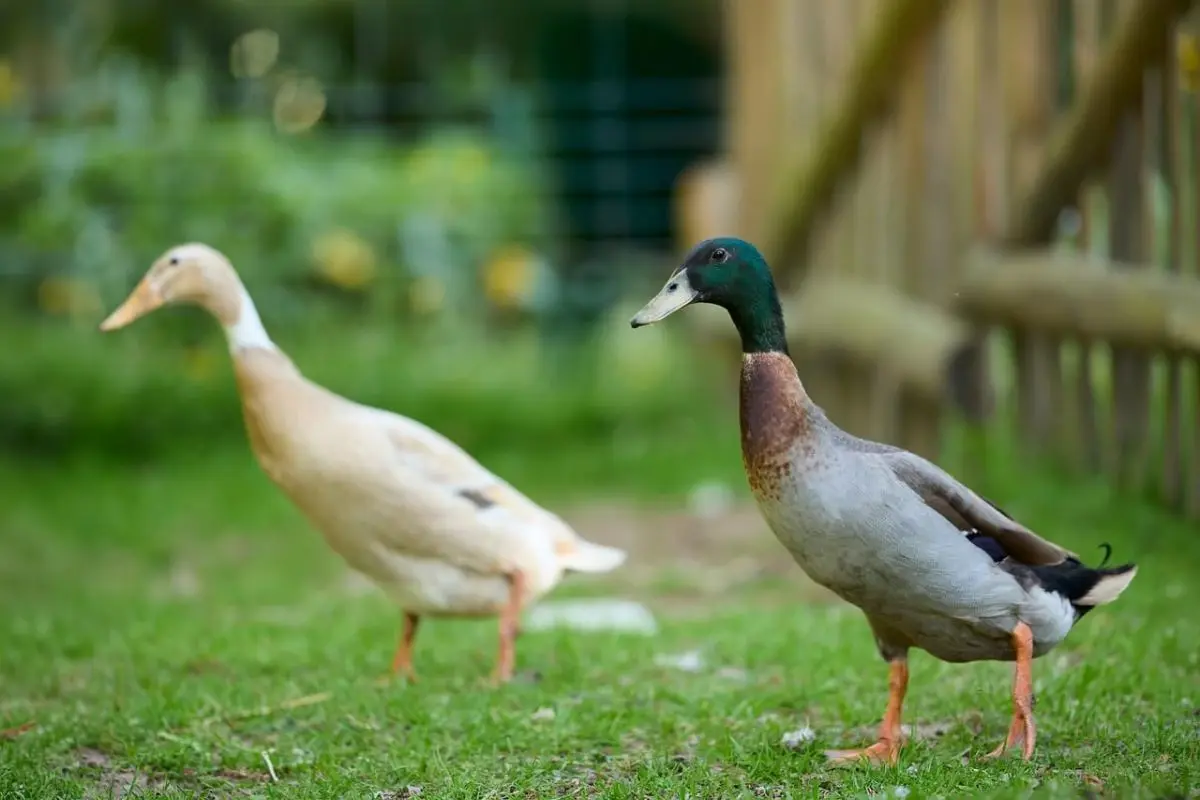
The use of Indian runners as natural “pest control” in vineyards is becoming an increasingly popular practice, allowing farmers to significantly reduce their use of pesticides. These birds effectively eliminate slugs and insects that threaten young vine shoots, according to WRP.pl.
The Effectiveness of Biological Control
At the Castle Rock Estate vineyard in Western Australia, ducks have been used for pest control for the second consecutive season, allowing the farm to save significantly on chemical baits. Winemaker Sam Palmer notes that the results have exceeded expectations, as the slug population is significantly lower in the areas where the birds are active compared to other zones.
“We’re seeing a noticeable difference, and this allows us to cut back on pesticide costs. Previously, we applied bait two or three times per season, but this year we’ve limited it to just once,” Palmer said, according to ABC News.
Breed Characteristics and History of the Method
Indian runner chickens are known for their activity and ability to forage for long periods, making them ideal allies in agriculture. The history of using these birds is rooted in the ancient traditions of Indochina, where they have been grazed in rice fields for centuries to rid crops of pests, notes The Livestock Conservancy.
This breed is distinguished by its endurance and characteristic upright posture, and its ability to actively forage allows it to cover large areas in search of insects, larvae, and slugs. Despite their high effectiveness, farmers emphasize the importance of protecting the birds from predators and are planning to build mobile enclosures to deploy the runners more precisely in areas requiring attention.