
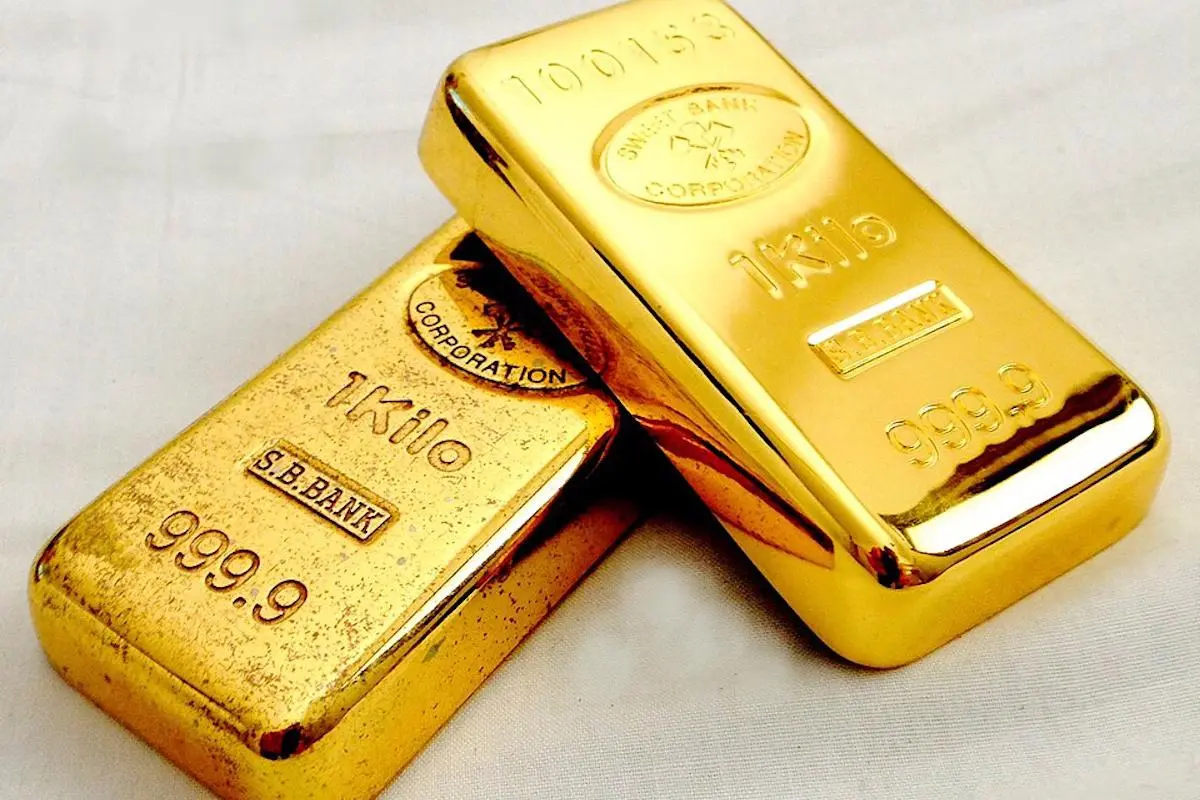
The Russian Federation has accelerated the sale of its gold and foreign exchange reserves, channeling the proceeds to finance military expenditures. Between January and July 2026, approximately 100 metric tons of Russian gold entered the Hong Kong market, nearly three times the amount recorded during the same period last year, according to Antena 3.
The Central Bank of the Russian Federation (CBR) has been reducing its precious metal reserves for the tenth consecutive month in an effort to cover a budget deficit that has doubled compared to initial forecasts. As of October 2026, Russia’s gold reserves had fallen to their lowest level in eight years, reaching 2,264 metric tons.
Experts are analyzing the market situation and pointing to a direct link between geopolitical challenges and Moscow’s financial strategy. Adam Stroniavski, director of the Polish company Mennica Skarbowa, notes:
“Russia has a serious budget deficit due to the war in Ukraine and wants to invest more funds in the defense sector. The reserves are being sold on the Hong Kong market, and the main buyer is the People’s Bank of China,” said Adam Stroniavsky.
A Shift in Strategy by Other Countries
Against the backdrop of Russian sales, Kazakhstan—which has long been one of the world’s largest gold buyers—is planning similar moves. Authorities in Astana intend to reduce the share of gold in their reserves to 75% to lock in profits after a prolonged period of rising prices, according to Euronews.
At the same time, Poland continues to build up its own reserves, approaching its target of 700 metric tons. According to experts, large gold reserves strengthen a country’s credit rating and help stabilize the national currency, so Warsaw has no plans to halt further purchases.
Despite fluctuations in the price of the precious metal in 2026, experts do not expect sales by Russia or Kazakhstan to have a significant impact on global prices. Adam Stroniavsky emphasizes the long-term potential of this asset:
“As for gold, I wouldn’t expect it to ever be cheaper. However, buying it yields a reliable return only in the long term,” Stroniavsky notes.