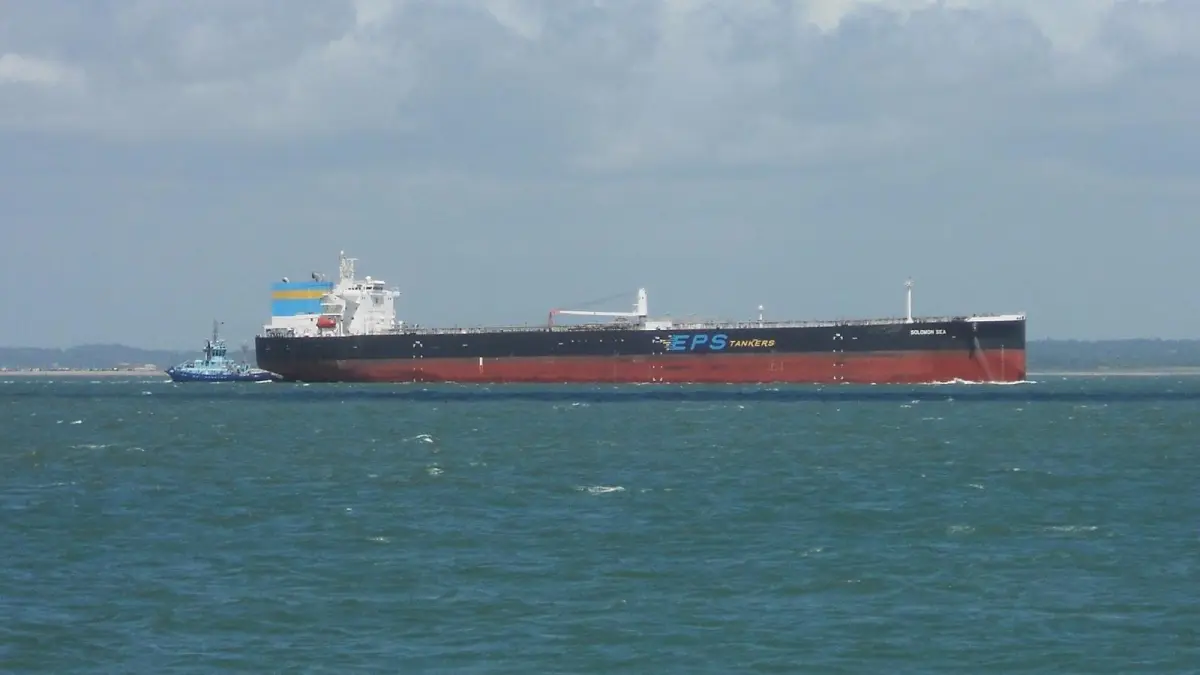
Two of the three tankers carrying Russian diesel fuel that were headed for the U.S. have changed course. The Leruo, flying the Sierra Leone flag, changed its destination from the U.S. to Brazil on Monday, while the Russian tanker Talisman is awaiting instructions off the coast of Algeria, meaning it currently has no confirmed buyer for its cargo, HVG reports, citing Meduza.
A third tanker, the Agioi Fanendes, flying the Maltese flag and owned by Greek operators, is also signaling that it is “awaiting instructions.” At the same time, it continues to sail toward the U.S. coast.
The Talisman and Leruo are subject to sanctions from the EU, the UK, and the U.S., which creates political and legal risks for buyers, ports, and maritime service providers. The Agioi Fanendes is not subject to sanctions, so it is the only vessel that can unload at a U.S. port. Despite General License 135, issued on October 9, which temporarily allows the import of Russian diesel into the U.S., no shipments have been delivered there yet, according to MarineLink.
Ports Face Fines
U.S. buyers are currently refusing to accept Russian cargo due to legal threats from state and federal officials. New Jersey Governor Miki Sherrill, a Democrat, warned port and terminal operators that they could face fines in the millions of dollars for unloading Russian diesel. Kpler analyst Matt Smith, in comments to the Financial Times, does not rule out that a third tanker will also change its route “due to regulatory, legislative, and sanctions-related issues,” reports The Moscow Times.
According to CNN, the Senate Foreign Relations Committee has required banks, port operators, and companies involved in the deal to retain documents for future audits once Democrats take control of Congress in January.
The deal, which was intended to lower prices
Donald Trump and Vladimir Putin agreed on the shipment on October 9, after which the U.S. Treasury Department authorized the sale of Russian diesel on the global market through April. Russia was to sell 300,000 metric tons initially, followed by another 500,000 metric tons in November. Trump had hoped this would lower fuel prices before the midterm elections, but prices peaked on the eve of the vote.
Experts warned from the outset that the deal’s impact on the market would be negligible: according to The Guardian’s calculations, the first 300,000 metric tons would cover only three-quarters of daily diesel consumption in the U.S. Meanwhile, diesel prices in the country have risen by about 70% over the past year amid Iran’s de facto closure of the Strait of Hormuz.
Trump’s Republican Party suffered a major defeat in the midterm elections, but Leruo had already changed course a day before the vote.