
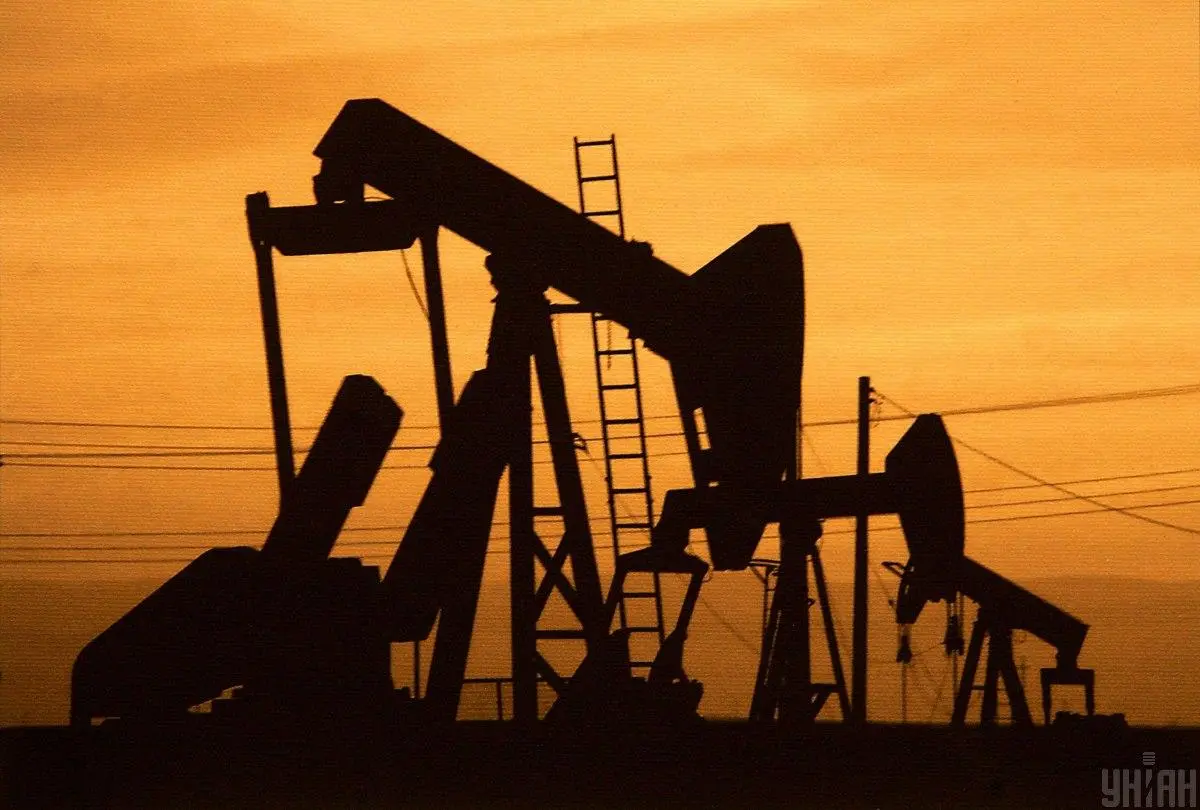
Crude oil production in Russia rose by 210,000 barrels per day in October, reaching 8.73 million barrels per day. At the same time, the resumption of supplies from the Persian Gulf—for the first time since the start of the war in Iran—has pushed the global oil market into a surplus, CNBC reports, citing the International Energy Agency (IEA).
According to the IEA’s monthly report, global oil supply rose by 2.3 million barrels per day in October, to 105.4 million. Since August, the increase has totaled 5.3 million barrels per day. Monitored inventories rose by 52 million barrels over the month, as exports from the Persian Gulf recovered much faster than demand. Excluding Oman, exports reached 18.4 million barrels per day, which is 26% below pre-war levels, according to the IEA.
Prices for the North Sea Dated benchmark crude have fallen by more than 30%: from a peak of $136 per barrel on October 8 to approximately $93 at the time this report was prepared. Despite this, they are still $22 above pre-war levels.
Market Bottleneck
A surplus of crude oil does not mean relief for all market segments. The IEA specifically highlights the situation with refined products.
“Currently, an acute shortage of petroleum products, particularly diesel fuel, remains the main problem for the broader market and consumers,” the agency emphasizes.
According to the IEA’s assessment, ongoing attacks on Russian energy infrastructure continue to limit the supply of Russian diesel to international markets, exacerbating losses from disruptions in the Middle East. Refineries in the Atlantic Basin—primarily in the U.S., which are operating at full capacity—as well as the accelerated release of emergency diesel reserves by IEA member countries are expected to help fill the gap.
Diesel is a key component of Russia’s petroleum product exports. In 2023, it accounted for 40% of Russia’s seaborne shipments of refined products—approximately 1 million barrels per day. As early as the beginning of 2024, approximately 14% of Russia’s refining capacity was taken offline due to reports of drone strikes and sanctions, according to the EIA.
What Lies Ahead for the Market in 2027
The EIA expects the surplus to persist into the fourth quarter of 2026, and for inventories to grow even more significantly in 2027. Next year, global supply is expected to rebound by 6.6 million barrels per day, reaching 108.1 million. Of that amount, 5.3 million will come from increased production in the Persian Gulf.
Demand in 2026 is expected to decline by an average of 2.7 million barrels per day, while in 2027 it will rise by 2 million. The agency cites attacks on shipping, which undermine the security of maritime transport, as the main risk to the forecast.