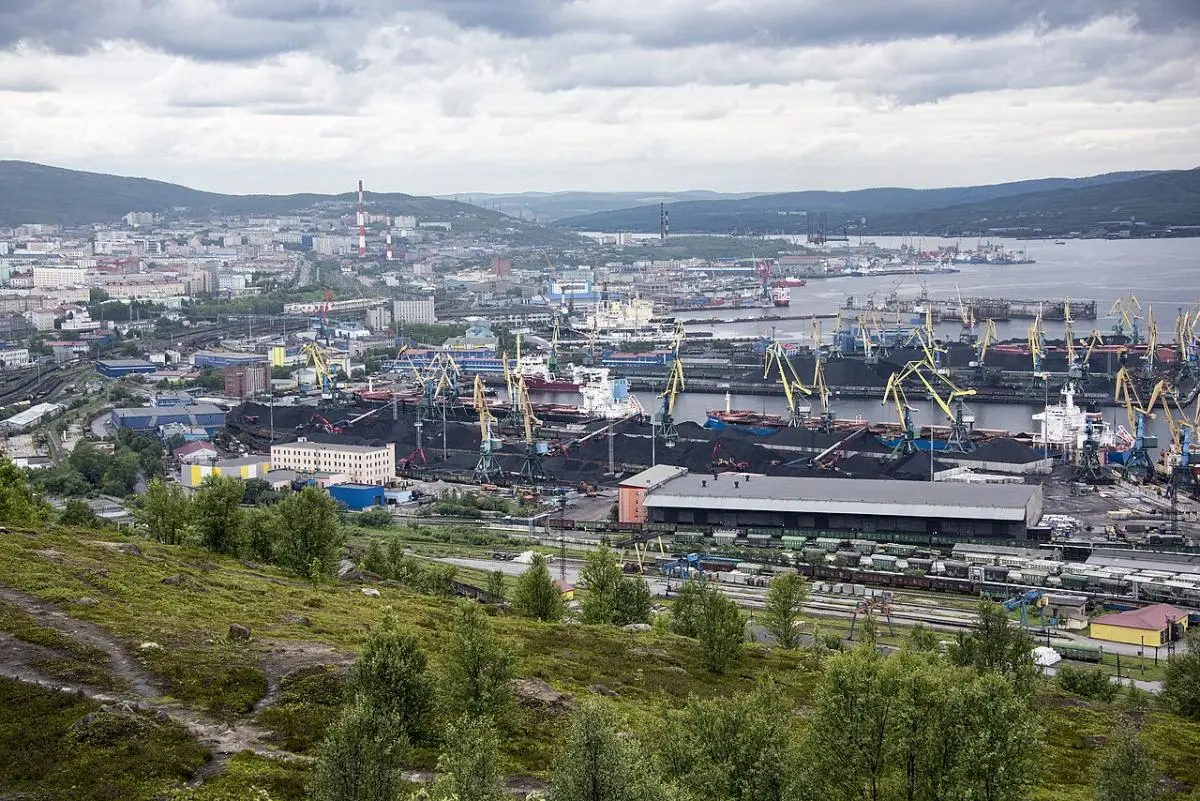
For the first time since 1996, Russia has begun exporting cast iron through the Arctic port of Murmansk. Moscow was forced to reroute shipments from southern routes due to Ukrainian drone and missile strikes on shipping in the Black Sea, according to Business Insider Polska, citing the Financial Times.
The Murmansk commercial port began transshipping pig iron on October 14. A trial shipment of 65,000 metric tons is likely headed for Turkey, as the European Union (EU) has imposed a complete ban on Russian pig iron imports effective January 1, 2026. Russia, along with Brazil and Ukraine, is among the world’s largest exporters of this raw material.
According to maritime security firm Ambrey, nearly 700 attacks on ships and infrastructure have been recorded in the Black Sea region this year. The last shipment of pig iron from Novorossiysk, Russia’s main southern port, was loaded on July 31. At first, exporters shifted their focus to Baltic ports, but due to congestion there, some of the cargo had to be sent to more remote regions, writes LB.ua.
Freight Costs Double
The Arctic route is significantly more expensive for Russian steelmakers. It took more than 180 rail cars to deliver the first shipment from the Ural plants to Murmansk, and the sea route from the Barents Sea to buyers in the Mediterranean takes about 10 days longer than the Black Sea route, notes the Kyiv Post.
Austin Barnes, an analyst at the Argus pricing agency, told the FT that freight from Murmansk to Turkey costs nearly twice as much as from Black Sea ports. According to him, some Russian producers are paying up to $100 per metric ton, including rail and sea freight costs, to maintain export volumes.
Murmansk has traditionally been primarily a terminal for exporting hydrocarbons and coal. To handle metal, port engineers have manufactured special buckets and equipped cranes with industrial electromagnets. Once the trial shipments are complete, the port administration will consider the possibility of regular monthly cast iron deliveries.
Railway Capacity Limits
Logistics experts warn that rerouting heavy cargo creates systemic bottlenecks for Russian Railways, which already lacks railcars. Istanbul-based maritime transport analyst Yoruk Isik is convinced that the shift to remote Arctic terminals exposes the structural weaknesses of Russian logistics: improvised long-distance detour routes are difficult to maintain due to limited railway capacity and harsh winter conditions in the north.