
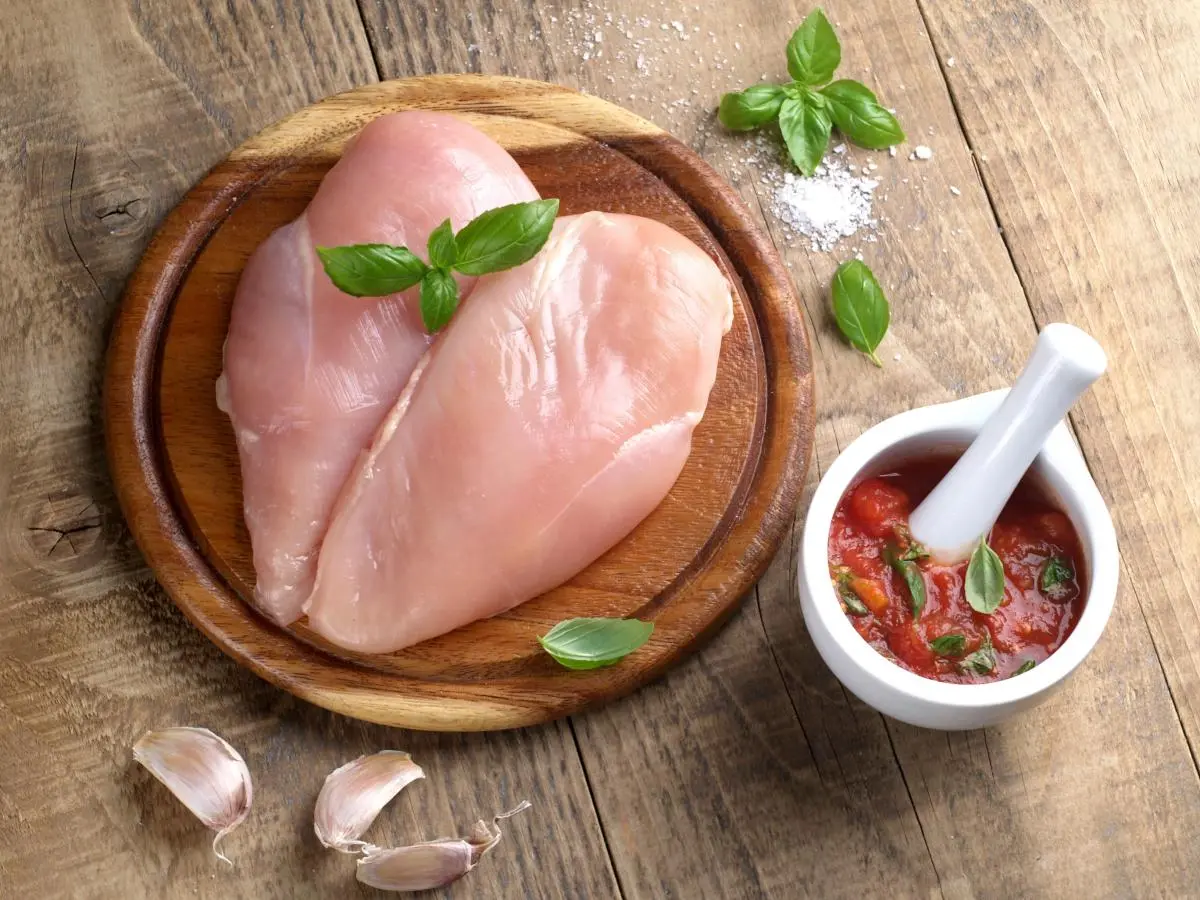
Turkey contains slightly more protein than chicken: 25.6 g versus 25.2 g in a cooked serving weighing about 85 g. However, the 0.4-gram difference is so insignificant that it won’t have a noticeable effect on daily protein intake. What matters more is which part of the bird you choose and how you prepare it, according to Verywell Health.
Both types of meat are complete proteins: they contain all nine essential amino acids that the body cannot produce on its own. Poultry is also a source of B vitamins, selenium—which is essential for thyroid function—and phosphorus for bones and teeth.
The breast is considered white meat and is the leanest option for both chicken and turkey. Thighs and drumsticks contain more fat and calories, but also more iron and zinc. The skin adds a little protein but significantly increases the fat content of the dish. The composition of ground meat depends on the ratio of white to dark meat and skin, so the publication recommends checking the label for the percentage of lean meat, such as 93% lean to 7% fat.
The pan matters more than the choice of poultry
Baking, grilling, and roasting require almost no additional fat. Deep-frying in breaded pieces in oil significantly increases the calorie content, and the breading and spices also add sodium. Sauces and marinades may contain sugar, salt, and fat. Sausages and processed poultry products are usually saltier than freshly prepared meat.
According to the U.S. Dietary Guidelines for 2025–2030, healthy adults need 1.2–1.6 grams of protein per kilogram of body weight daily. For a person weighing about 68 kg, that’s approximately 82–109 grams.
Industrial processing should also be taken into account. Researchers from the U.S. Department of Agriculture found that whole turkeys sold in retail stores are typically treated with special solutions to enhance flavor and tenderness. Raw carcasses treated with the solution were found to contain more fat, and their sodium, phosphorus, and calcium content was significantly higher than in untreated birds, according to Poultry Science.
Poultry vs. Red Meat
Compared to beef, lamb, and pork, chicken and turkey contain less saturated fat—which increases the risk of heart attack and stroke—and slightly more unsaturated fat. At the same time, the publication’s expert cautions that the health benefits of poultry depend on how it is prepared, notes Harvard Health Publishing.
“I certainly don’t consider processed chicken or turkey, chicken nuggets, or chicken fried in bacon fat to be healthy,” the expert emphasizes. Most nuggets, he says, are coated in a batter made from refined white flour with a lot of salt.
“Although chicken and turkey are healthy, I recommend getting most of your protein from fish and plant-based sources, such as legumes and nuts,” the expert advises. This approach is the foundation of the Mediterranean diet, which is associated with a lower risk of heart disease, stroke, and certain types of cancer.